Smooth False Buttonweed
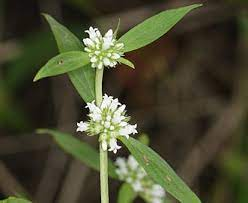
Smooth False Buttonweed, scientifically known as Spermacoce glabra, is a common weed that can be found in various regions across the United States. This plant belongs to the Rubiaceae family and is known for its small, white flowers and smooth, shiny leaves. Despite its unassuming appearance, Smooth False Buttonweed can be a nuisance in lawns, gardens, and agricultural fields due to its ability to spread rapidly and compete with desirable plants for resources.
Identification
Smooth False Buttonweed can be identified by its low-growing habit, reaching heights of up to 12 inches. The plant produces clusters of tiny white flowers that resemble buttons, hence its common name. The leaves are opposite, lance-shaped, and have a glossy texture, giving the plant a distinctive appearance. When in bloom, Smooth False Buttonweed can add a touch of beauty to its surroundings, but its invasive nature often overshadows its aesthetic appeal.
Habitat and Distribution
Smooth False Buttonweed thrives in a variety of habitats, including lawns, pastures, roadsides, and disturbed areas. It prefers moist, well-drained soils and can tolerate both full sun and partial shade. This adaptability allows the plant to establish itself in a wide range of environments, making it a common sight in many landscapes. Smooth False Buttonweed is native to the southeastern United States but has spread to other regions due to human activities and its ability to produce abundant seeds.
Reproduction and Spread
Smooth False Buttonweed reproduces primarily through seeds, which are dispersed by wind, water, animals, and human activities. The plant can produce a large number of seeds in a single growing season, contributing to its rapid spread and colonization of new areas. Additionally, Smooth False Buttonweed can form dense mats that smother surrounding vegetation, further aiding its expansion. Effective control measures are essential to prevent the plant from dominating native plant communities and agricultural fields.
Control and Management
Controlling Smooth False Buttonweed can be challenging due to its prolific seed production and ability to regrow from root fragments. Mechanical methods such as hand-pulling or mowing can help reduce the plant's population, but they may not provide long-term control. Chemical herbicides specifically designed to target broadleaf weeds can be effective in managing Smooth False Buttonweed, but care must be taken to avoid harming desirable plants in the vicinity. Integrated pest management strategies that combine cultural, mechanical, and chemical control methods can help minimize the impact of Smooth False Buttonweed on the ecosystem.
Ecological Impact
Smooth False Buttonweed can have negative ecological impacts by outcompeting native vegetation, reducing biodiversity, and altering ecosystem dynamics. Invasive plants like Smooth False Buttonweed can disrupt food chains, habitat availability, and nutrient cycling, leading to cascading effects on the environment. By displacing native species and altering ecosystem processes, Smooth False Buttonweed can contribute to the degradation of natural habitats and reduce the overall resilience of ecosystems to environmental changes.