Tactioception (touch)
How touch works;

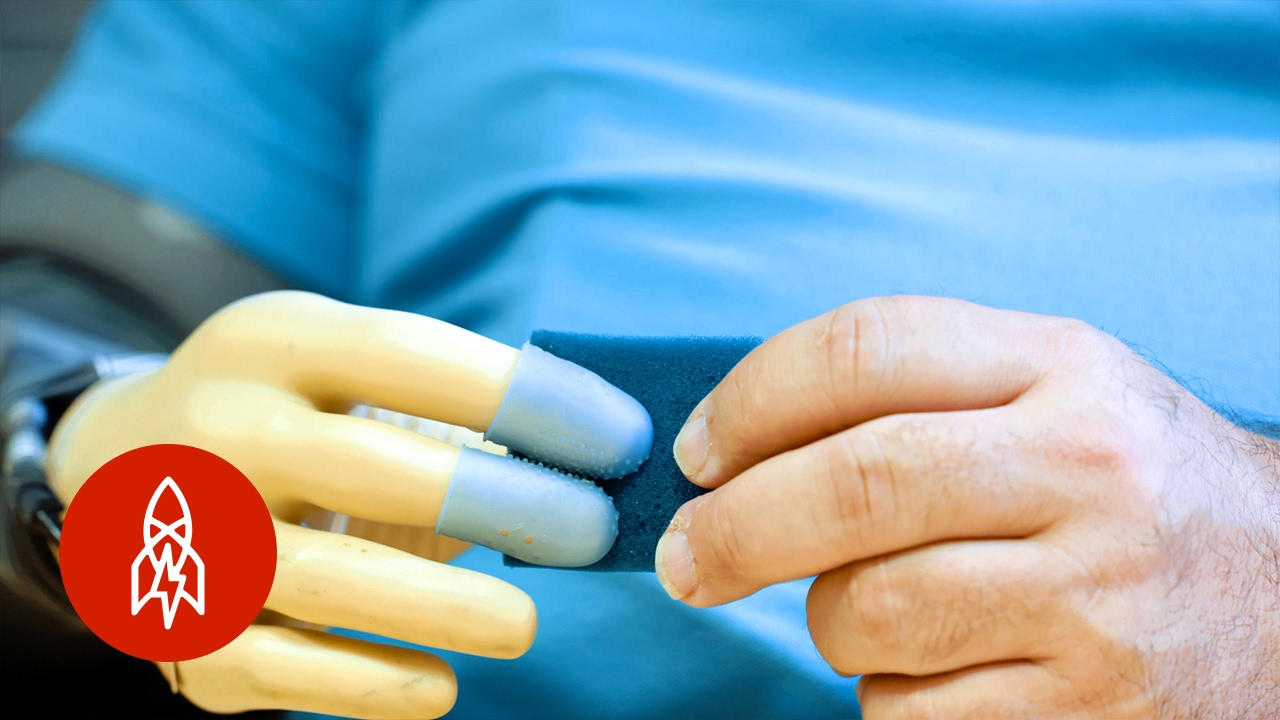
Amputees and Touch
The Physiological Benefits of touch
How to cope with touch starvation
Understanding Tactioception: The Sense of Touch
Tactioception, commonly known as the sense of touch, is a fundamental sensory system that allows organisms to perceive and interact with their environment. This sense is crucial for survival, communication, and experiencing the world around us. It involves a complex network of receptors and neural pathways that process various stimuli, such as pressure, temperature, and pain.
The Mechanism of Touch
The sense of touch is primarily mediated by the skin, the body's largest organ, which contains a variety of specialized receptors. These receptors are responsible for detecting different types of stimuli:
- Mechanoreceptors: These receptors respond to mechanical pressure or distortion. They are further categorized into:
* Merkel cells: Detect light touch and texture.
* Meissner's corpuscles: Sensitive to light touch and vibrations.
* Pacinian corpuscles: Detect deep pressure and high-frequency vibrations.
* Ruffini endings: Respond to skin stretch and sustained pressure.
- Thermoreceptors: These receptors detect changes in temperature. They are divided into:
* Cold receptors: Activated by cooling.
* Warm receptors: Activated by warming.
- Nociceptors: These receptors are responsible for sensing pain. They can be activated by extreme temperatures, mechanical damage, or chemical stimuli.
Neural Pathways of Touch
Once the receptors in the skin detect a stimulus, the information is transmitted to the brain through a series of neural pathways. The primary pathway for touch is the dorsal column-medial lemniscal pathway, which carries information about fine touch, vibration, and proprioception. This pathway involves:
- First-order neurons: These neurons carry signals from the receptors to the spinal cord.
- Second-order neurons: They transmit signals from the spinal cord to the thalamus, a relay station in the brain.
- Third-order neurons: These neurons carry the information from the thalamus to the somatosensory cortex, where the perception of touch is processed and interpreted.
The Role of the Somatosensory Cortex
The somatosensory cortex, located in the parietal lobe of the brain, is the primary area responsible for processing touch information. It is organized somatotopically, meaning different regions of the cortex correspond to different parts of the body. This organization is often depicted as a "homunculus," a distorted human figure that represents the relative sensitivity of various body parts.
Functions of Tactioception
The sense of touch serves several critical functions:
- Protection: Touch helps protect the body from harm by detecting potentially damaging stimuli, such as extreme temperatures or sharp objects.
- Communication: Touch is a vital form of non-verbal communication. It can convey emotions, such as affection or reassurance, and is essential in social bonding.
- Exploration: Through touch, individuals can explore their environment, discern textures, shapes, and sizes, and manipulate objects.
- Development: Touch is crucial for development, particularly in infants, where it plays a role in emotional and cognitive growth.
Disorders of Tactioception
Several conditions can affect the sense of touch, leading to altered or impaired tactile perception:
- Neuropathy: Damage to the peripheral nerves can result in numbness, tingling, or pain, often seen in conditions like diabetes.
- Tactile defensiveness: An increased sensitivity to touch, often associated with sensory processing disorders, can cause discomfort or distress in response to normal tactile stimuli.
- Anesthesia: A complete loss of touch sensation, which can occur due to nerve damage or certain medical conditions.
Enhancing Tactile Perception
Research into enhancing tactile perception is ongoing, with potential applications in prosthetics and virtual reality. Some approaches include:
- Haptic feedback: This technology provides tactile feedback through vibrations or forces, enhancing the realism of virtual environments or improving the functionality of prosthetic limbs.
- Neuroplasticity: Training and rehabilitation can improve tactile perception by promoting neuroplasticity, the brain's ability to reorganize and adapt.
Despite its behavioural significance and omnipresence throughout the animal kingdom, the sense of touch is still one of the least studied and understood modalities. There are multiple forms of touch, and the mechanosensory basis underlying touch perception must be divided into several distinct sub-modalities (such as vibration or pressure), as will be made clear by the contributions elsewhere in this encyclopaedia. The commonality of all touch sensing systems is that touch experience is mediated by specialised receptors embedded in the integument—the outer protective layers of the animal such as the mammalian skin or the arthropod cuticle. Comparative research on touch, and its neuroethology, is only just beginning to provide a larger picture of the different forms of touch sensing within the animal kingdom. We begin our volume by reviewing works on several different invertebrate and vertebrate species, focusing on mechanosensation, each one with a specific requirement for tactile information. The aim of this introductory overview is to give selected examples of research on important model organisms from various classes of the animal kingdom, ranging from the skin of worms to the feelers of insects, and from the whiskers of a rat to the human hand. We conclude by discussing forms of human touch and the possibility of its future extension via synthetic systems. Read more...
Fingerprints Enhance Our Sense of Touch – Neurons Sensitive to Scale of a Single Fingerprint Ridge Sensory neurons in the finger can detect touch on the scale of a single fingerprint ridge.
Why Is It Important To Be Touched?
Schwann Cells Key to Touch and Pain
Texture Identity Is Encoded In Cortical Neuron Response
‘Rough’ Words Feature a Trill Sound in Languages Around the Globe Study reveals a link between spoken languages and the sense of touch.
Touch and See: Unlocking Early Self-Recognition in Toddlers A new study reveals the role of touch in early self-recognition among toddlers. By using vibrating discs to encourage babies to touch their faces, researchers found these children developed self-awareness earlier than their peers.