Queen Sago
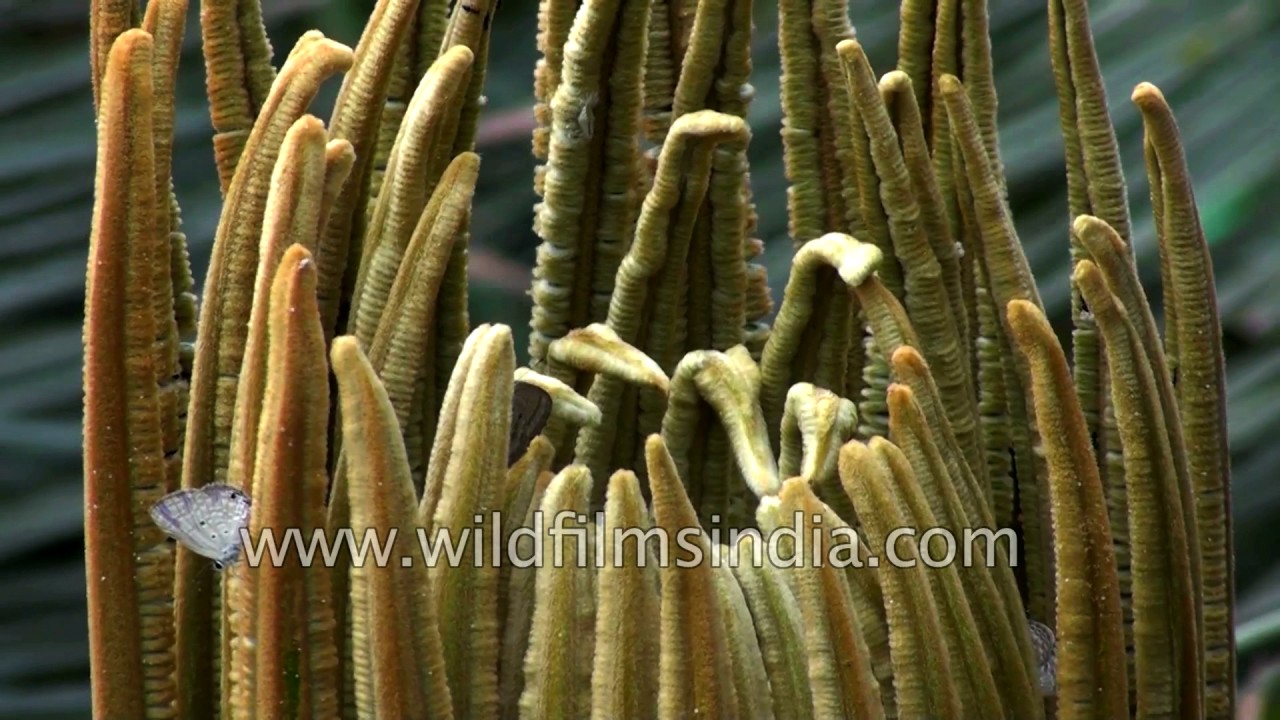
The Queen Sago, scientifically known as Cycas circinalis, is a fascinating and ancient plant species that belongs to the Cycadaceae family. This plant is often mistaken for a palm due to its similar appearance, but it is actually a cycad, a group of seed plants with a long evolutionary history dating back to the age of dinosaurs. Native to India and Sri Lanka, the Queen Sago is renowned for its ornamental value and unique biological characteristics.
Botanical Characteristics
Appearance
The Queen Sago is a slow-growing, evergreen plant that can reach heights of up to 20 feet. It features a stout, cylindrical trunk that is often covered with old leaf bases. The crown of the plant is adorned with a rosette of dark green, pinnate leaves that can grow up to 6 feet long. Each leaf is composed of numerous narrow, lance-shaped leaflets that give the plant a feathery appearance.
Reproductive Structures
One of the most distinctive features of the Queen Sago is its reproductive structures. The plant is dioecious, meaning that individual plants are either male or female. Male plants produce large, cone-like structures called strobili, which release pollen. Female plants, on the other hand, produce ovulate cones that contain seeds. These seeds are large, orange-red, and encased in a fleshy outer layer.
Habitat and Cultivation
Natural Habitat
In its natural habitat, the Queen Sago thrives in tropical and subtropical climates. It is commonly found in well-drained soils, often in rocky or sandy areas. The plant is adapted to withstand periods of drought, making it well-suited to arid environments.
Cultivation
The Queen Sago is a popular ornamental plant in gardens and landscapes around the world. It is relatively low-maintenance and can be grown in a variety of soil types, provided they are well-drained. The plant prefers full sun to partial shade and requires minimal watering once established. However, it is important to note that all parts of the Queen Sago are toxic if ingested, so caution should be exercised when planting it in areas accessible to pets and children.
Ecological and Cultural Significance
Ecological Role
In its native range, the Queen Sago plays a crucial role in the ecosystem. The plant provides habitat and food for various species of insects and animals. The seeds are particularly important for certain bird species, which help in the dispersal of the plant by consuming and excreting the seeds.
Cultural Importance
The Queen Sago has significant cultural value in the regions where it is native. In India, the plant is often associated with religious and cultural practices. The seeds and other parts of the plant have been used in traditional medicine, although modern science advises against this due to the plant's toxicity.
Conservation Status
The Queen Sago is currently listed as an endangered species by the International Union for Conservation of Nature (IUCN). Habitat loss due to deforestation and land development is the primary threat to its survival. Conservation efforts are underway to protect and preserve this ancient plant species. These efforts include habitat restoration, cultivation in botanical gardens, and public education about the importance of conserving cycads.
Interesting Facts
- The Queen Sago is one of the oldest living seed plants, with a lineage that dates back over 200 million years.
- Despite its palm-like appearance, the Queen Sago is more closely related to conifers and ginkgoes.
- The plant's seeds contain a neurotoxin called cycasin, which can cause severe liver damage and neurological symptoms if ingested.
- The Queen Sago is often used in bonsai due to its slow growth and attractive foliage.