Pulse oximetry
Return to Heart Anatomy / Physiology Menu
How to Use
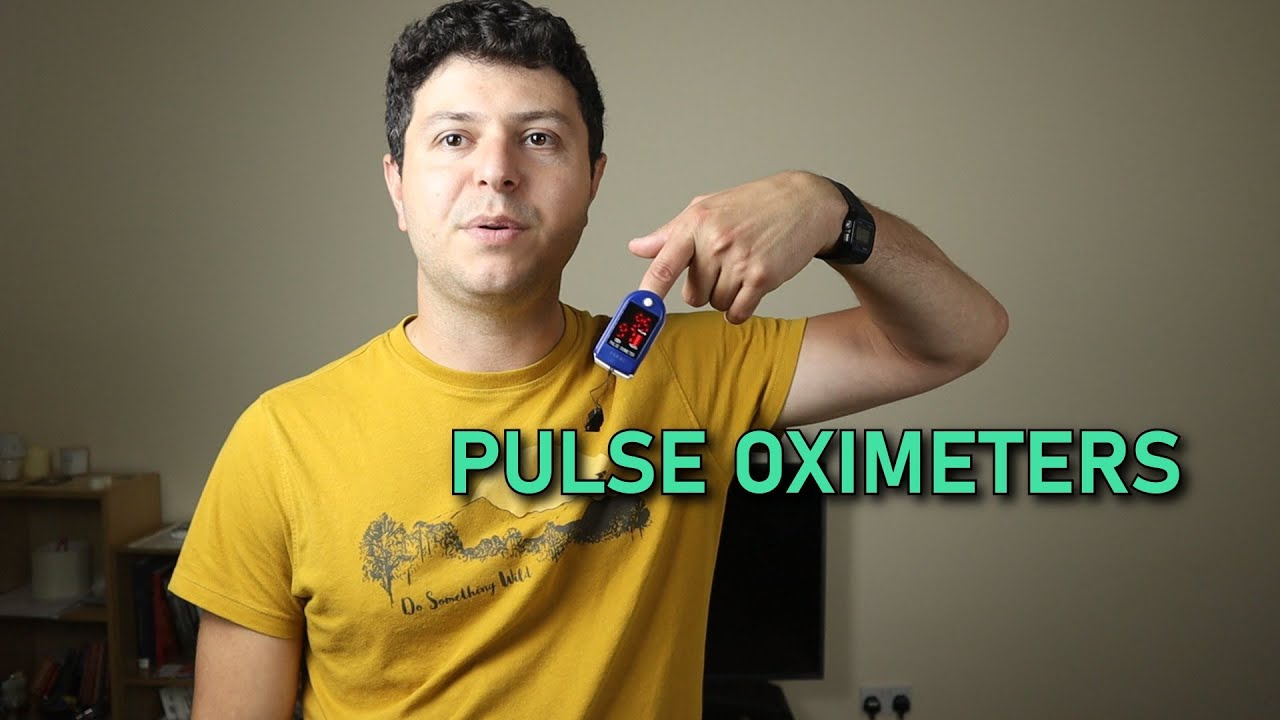
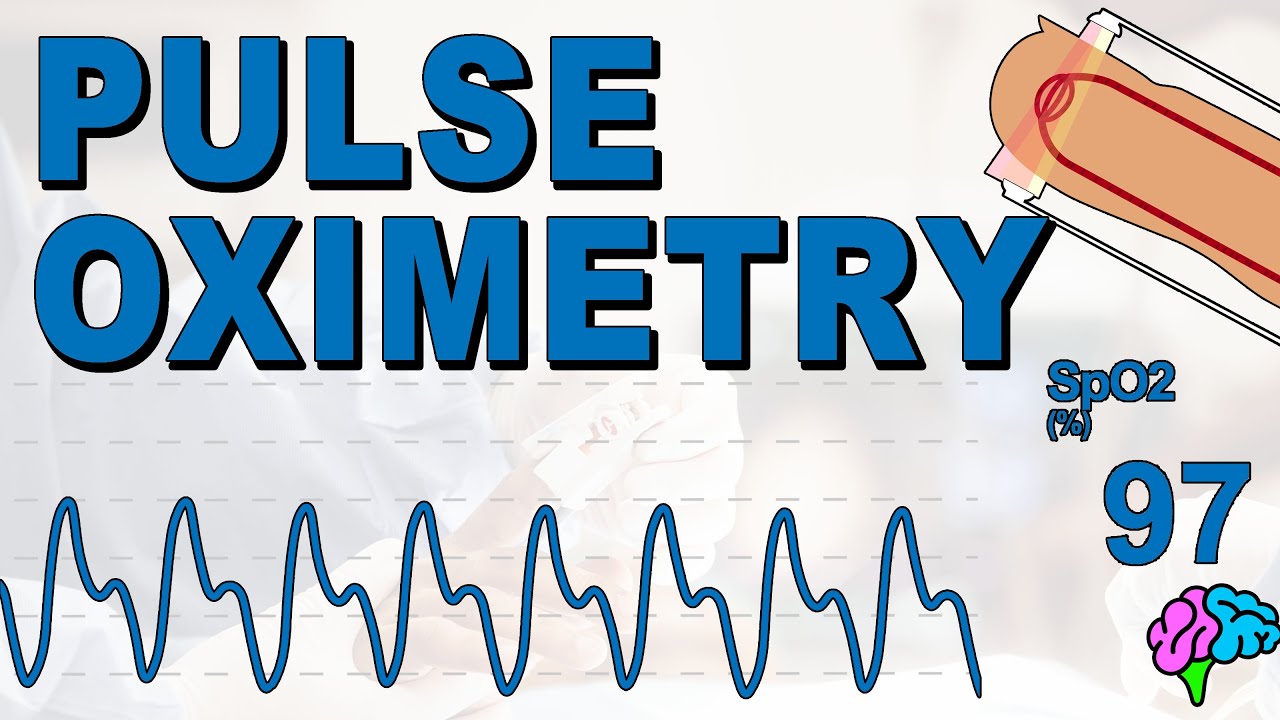
Pulse oximetry is a quick, non-invasive test that measures the amount of oxygen in your blood. It's sometimes called the fifth vital sign.
A pulse oximeter measures the oxygen saturationof your red blood cells without using needles or taking a blood sample. The reading can help doctors and nurses decide on treatment.
A normal resting oxygen saturation level for a healthy person at sea level is between 95% and 100%. Oxygen saturation levels may be slightly lower at higher elevations.
Factors that can affect pulse oximeter readings include:
Fingernail polish or artificial nails, Skin temperature, Altitude, Intravenous dyes, Poor circulation, Skin thickness.
A healthy blood oxygen level is 95–100%. Anything below 95% is considered low and may put you at risk of hypoxemia