Identify Alder Tree
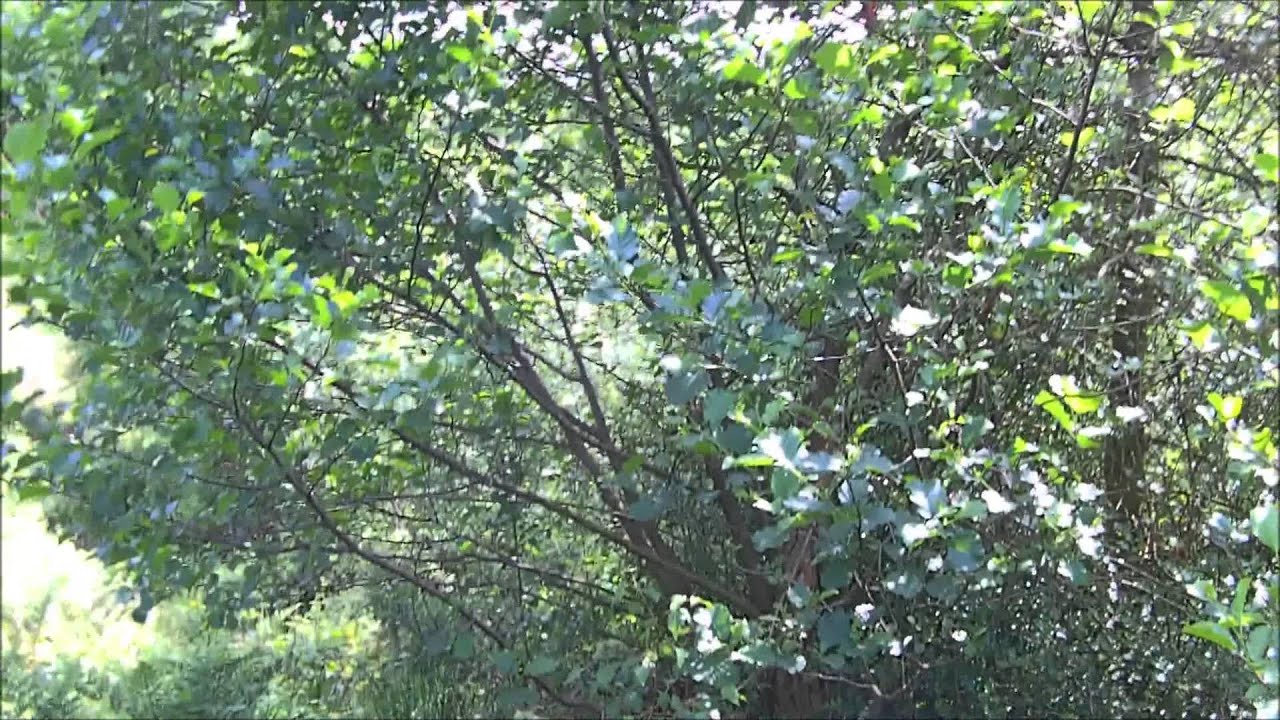
Alder trees, belonging to the genus Alnus, are a group of deciduous trees and shrubs found primarily in the Northern Hemisphere. They are part of the birch family, Betulaceae, and are known for their ecological importance and distinctive characteristics. Identifying alder trees can be a rewarding experience for nature enthusiasts, botanists, and anyone interested in understanding more about their local flora.
Key Characteristics of Alder Trees
1. Leaves
Alder trees have simple, alternate leaves that are typically ovate or elliptical in shape. The leaves are usually serrated along the edges and have a distinct, rounded tip. One of the most notable features of alder leaves is their prominent veins, which are easily visible on the underside. The leaves are generally dark green and can turn yellow in the fall before they drop.
2. Bark
The bark of alder trees is another distinguishing feature. Young alder trees have smooth, gray bark that can become fissured and darker as the tree matures. Some species, like the Red Alder (Alnus rubra), have bark that can appear mottled with white patches due to lichens. The bark may also have small, horizontal lenticels, which are pores that allow gas exchange.
3. Catkins
Alder trees are monoecious, meaning they have both male and female reproductive structures on the same tree. The male catkins are long, pendulous, and appear in clusters, often before the leaves emerge in spring. They are typically yellowish-brown and can be quite conspicuous. Female catkins are smaller, more upright, and develop into woody, cone-like structures that persist on the tree through winter.
4. Cones
The female catkins mature into small, woody cones that are unique to alder trees. These cones are about 1-2 cm long and contain seeds that are dispersed by the wind. The presence of these cones, even in winter, is a reliable way to identify alder trees.
5. Habitat
Alder trees are commonly found in moist environments, such as riverbanks, wetlands, and floodplains. They are well-adapted to wet soils and can often be seen growing in areas where other trees might struggle. This preference for moist habitats can be a helpful clue when trying to identify alder trees in the wild.
Common Species of Alder Trees
1. Red Alder (Alnus rubra)
- Location: Predominantly found along the Pacific Coast of North America.
- Features: Red Alder is the largest species of alder, with a height that can reach up to 100 feet. It has smooth, gray bark with white patches and leaves that are ovate with serrated edges.
2. Black Alder (Alnus glutinosa)
- Location: Native to Europe but also found in North America.
- Features: Black Alder has a distinctive pyramidal shape when young, becoming more rounded with age. The leaves are rounded with a slightly notched tip, and the bark is dark and fissured.
3. White Alder (Alnus rhombifolia)
- Location: Found in the western United States.
- Features: White Alder has smooth, gray bark and leaves that are more elongated compared to other species. It is often found along streams and rivers.
Ecological Importance
Alder trees play a crucial role in their ecosystems. They are nitrogen-fixing plants, meaning they can convert atmospheric nitrogen into a form that is usable by other plants. This ability enriches the soil and supports the growth of other vegetation. Additionally, alder trees provide habitat and food for a variety of wildlife, including birds and insects.