Mayten
Constituents
Maytenus boaria, commonly known as the Chilean Mayten tree, is a species of flowering plant in the family Celastraceae. Native to South America, particularly Chile and Argentina, this tree is renowned for its ornamental value and ecological benefits.
Botanical Characteristics
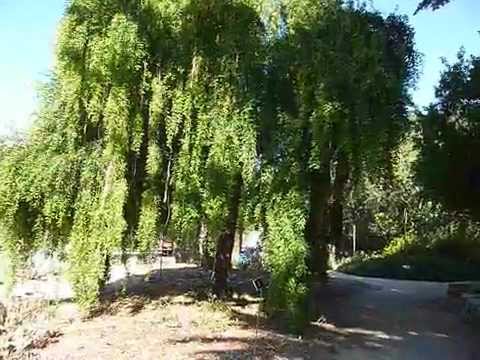
Maytenus boaria is a medium-sized evergreen tree that can reach heights of 15 to 20 meters. It has a slender trunk with smooth, grayish bark and a dense, rounded canopy. The leaves are small, lanceolate, and glossy green, providing a lush appearance throughout the year. The tree produces small, inconspicuous flowers that are greenish-yellow in color, typically blooming in the spring. These flowers give way to small, reddish-brown capsules containing seeds.
Key Features
- Height: 15-20 meters
- Bark: Smooth, grayish
- Leaves: Small, lanceolate, glossy green
- Flowers: Small, greenish-yellow
- Fruit: Reddish-brown capsules
Ecological Significance
Maytenus boaria plays a crucial role in its native ecosystems. It provides habitat and food for various wildlife species, including birds and insects. The dense foliage offers shelter and nesting sites, while the flowers and fruits serve as food sources. Additionally, the tree contributes to soil stabilization and erosion control due to its extensive root system.
Ecological Benefits
- Habitat: Provides shelter and nesting sites for birds and insects
- Food Source: Flowers and fruits are consumed by wildlife
- Soil Stabilization: Extensive root system helps prevent erosion
Uses
The Chilean Mayten tree is valued for both its ornamental and practical uses. In landscaping, it is prized for its aesthetic appeal, providing year-round greenery and a graceful form. It is often planted in parks, gardens, and along streets. Beyond its ornamental value, Maytenus boaria has traditional medicinal uses. Indigenous peoples have used various parts of the tree to treat ailments such as digestive issues and respiratory conditions.
Practical Applications
- Ornamental: Popular in landscaping for its aesthetic appeal
- Medicinal: Traditional uses for treating digestive and respiratory ailments
Cultivation
Cultivating Maytenus boaria requires understanding its preferred growing conditions. The tree thrives in well-drained soils and can tolerate a range of soil types, including sandy and clay soils. It prefers full sun to partial shade and is relatively drought-tolerant once established. However, young trees benefit from regular watering during dry periods. Pruning is generally minimal, primarily to maintain shape and remove any dead or damaged branches.
Growing Conditions
- Soil: Well-drained, adaptable to various soil types
- Light: Full sun to partial shade
- Water: Drought-tolerant once established, regular watering for young trees
- Pruning: Minimal, mainly for shape and health
Challenges and Considerations
While Maytenus boaria is relatively low-maintenance, it is not without challenges. Pests and diseases can affect the tree, although it is generally resistant to most common issues. Potential pests include aphids and scale insects, which can be managed with appropriate treatments. Additionally, the tree may suffer from root rot if planted in poorly drained soils.
Potential Issues
- Pests: Aphids, scale insects
- Diseases: Root rot in poorly drained soils