Bladder Dock
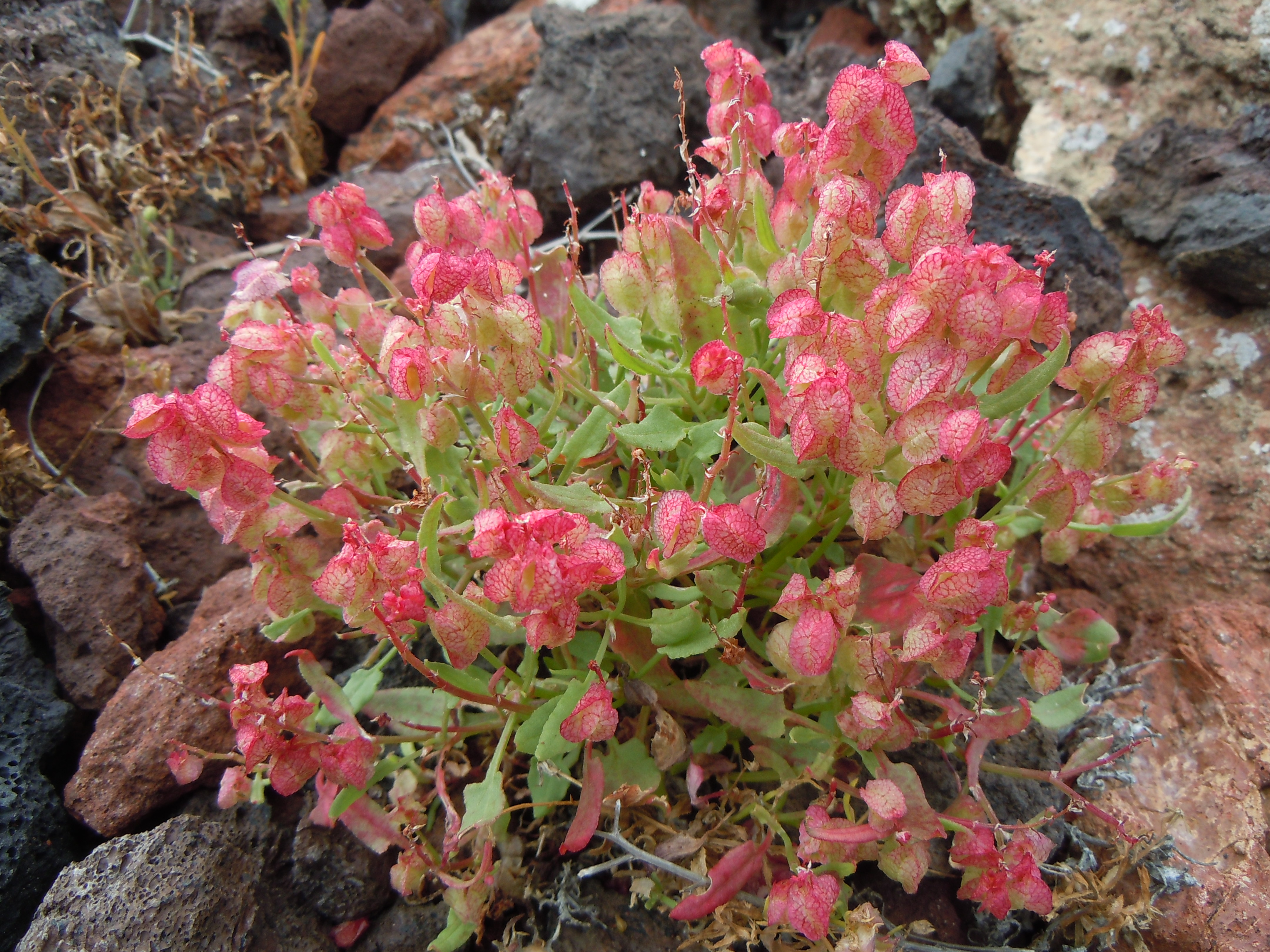
Bladder Dock, scientifically known as Rumex vesicarius, is a plant species belonging to the Polygonaceae family. This plant is notable for its unique appearance and various uses, both in traditional medicine and culinary applications. Native to regions such as the Mediterranean, North Africa, and parts of Asia, Bladder Dock has adapted to thrive in arid and semi-arid environments.
Botanical Description
Bladder Dock is an annual herb that typically grows to a height of 20-50 cm. The plant is characterized by its fleshy, succulent leaves that are ovate to lanceolate in shape. The leaves are often tinged with a reddish hue, especially at the edges. One of the most distinctive features of Bladder Dock is its inflated, bladder-like fruit, which gives the plant its common name. These fruits are papery and translucent, adding to the plant's unique aesthetic.
Flowers and Fruits
The flowers of Bladder Dock are small and inconspicuous, usually greenish or reddish in color. They are arranged in clusters on slender stalks. The fruit, as mentioned, is a bladder-like structure that encases the seeds. This adaptation is believed to aid in seed dispersal, as the lightweight, papery fruits can be easily carried by the wind.
Habitat and Distribution
Bladder Dock is well-adapted to dry, sandy, and rocky soils. It is commonly found in deserts, coastal areas, and other arid regions. The plant's ability to thrive in such harsh conditions makes it an important species for studying plant adaptation and resilience.
Geographic Range
The natural range of Bladder Dock extends across the Mediterranean basin, North Africa, the Middle East, and parts of South Asia. It has also been introduced to other regions with similar climates, where it has successfully naturalized.
Traditional Uses
Bladder Dock has a long history of use in traditional medicine and cuisine. Various parts of the plant, including the leaves, stems, and seeds, are utilized for their medicinal properties.
Medicinal Applications
In traditional medicine, Bladder Dock is used to treat a variety of ailments. Some of its common uses include:
- Digestive Health: The plant is believed to have laxative properties and is used to relieve constipation.
- Anti-inflammatory: Extracts from the plant are used to reduce inflammation and treat conditions such as arthritis.
- Antioxidant: Bladder Dock is rich in antioxidants, which help in neutralizing harmful free radicals in the body.
The leaves are aperient, astringent, diuretic and cooling.
The seed is cooling. It is roasted and used in the treatment of dysentery.
The juice of the plant is cooling. It is useful in treating heat of the stomach, to allay the pain of toothache and, by its astringent properties, to check nausea.
Culinary Uses
In addition to its medicinal applications, Bladder Dock is also used in cooking. The young leaves and stems are edible and can be consumed raw or cooked. They are often added to salads, soups, and stews for their tangy flavor. In some cultures, the seeds are ground into a flour and used to make bread or porridge.
Nutritional Value
Bladder Dock is a nutritious plant, providing a range of vitamins and minerals. It is particularly high in vitamin C, which is essential for immune function and skin health. The plant also contains significant amounts of iron, calcium, and potassium, making it a valuable addition to the diet.
Cultivation and Harvesting
Cultivating Bladder Dock is relatively straightforward, given its hardiness and adaptability. The plant prefers well-drained soils and full sunlight. It can be grown from seeds, which should be sown in the spring. Once established, Bladder Dock requires minimal maintenance, making it an ideal plant for xeriscaping and sustainable gardening.
Harvesting
The leaves and stems of Bladder Dock can be harvested throughout the growing season. For medicinal purposes, it is best to collect the plant material in the morning when the concentration of active compounds is highest. The fruits can be harvested once they have fully matured and dried on the plant.
Conservation and Ecological Importance
Bladder Dock plays a crucial role in its native ecosystems. It provides food and habitat for various insects and animals. Additionally, the plant's ability to thrive in poor soils helps in soil stabilization and prevents erosion.