Devil's Claw, Growing
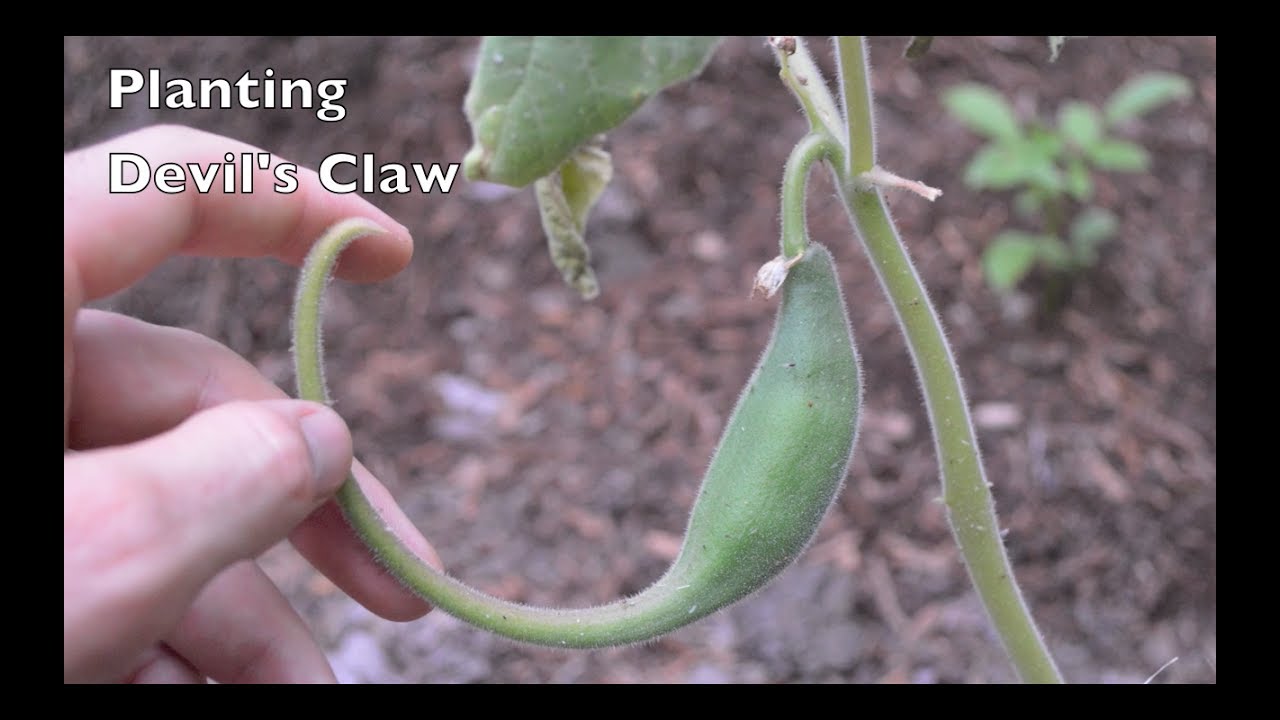
Devil's Claw, scientifically known as Harpagophytum procumbens, is a perennial plant native to the arid regions of Southern Africa, particularly in Namibia, Botswana, and South Africa. It is renowned for its medicinal properties, especially in treating arthritis and other inflammatory conditions. The plant gets its name from the peculiar appearance of its fruit, which is covered with hook-like structures.
Environmental Requirements
Climate
Devil's Claw thrives in hot, dry climates typical of its native habitat. It is well-suited to regions with:
- High temperatures
- Low humidity
- Minimal rainfall
The plant is drought-tolerant and can survive in areas with annual rainfall as low as 200-300 mm. However, it requires a distinct dry season to flourish.
Soil
The ideal soil for growing Devil's Claw is:
- Sandy or sandy-loam
- Well-drained
- Slightly acidic to neutral pH (6.0 to 7.5)
The plant is adapted to poor, nutrient-deficient soils but benefits from the addition of organic matter to improve soil structure and fertility.
Planting Techniques
Propagation
Devil's Claw can be propagated through seeds or root cuttings. Here are the steps for each method:
- Seed Propagation:
- Collect seeds from mature fruits.
- Scarify the seeds by gently rubbing them with sandpaper to break dormancy.
- Soak the seeds in water for 24 hours before planting.
- Sow seeds in a well-drained seedbed or pots filled with sandy soil.
- Cover seeds lightly with soil and water sparingly.
- Root Cuttings:
- Select healthy, mature plants for root cuttings.
- Dig up the plant and cut sections of the tuberous roots.
- Plant the root cuttings horizontally in prepared soil beds.
- Cover with a thin layer of soil and water lightly.
Planting Season
The best time to plant Devil's Claw is during the early spring when temperatures begin to rise. This timing allows the plant to establish itself before the onset of the dry season.
Care and Maintenance
Watering
Devil's Claw is drought-resistant and requires minimal watering. Overwatering can lead to root rot, so it is crucial to:
- Water sparingly, allowing the soil to dry out between watering sessions.
- Reduce watering during the dormant season.
Fertilization
While Devil's Claw can grow in nutrient-poor soils, occasional fertilization can enhance growth:
- Apply a balanced, slow-release fertilizer at the beginning of the growing season.
- Incorporate organic matter, such as compost, to improve soil fertility.
Pest and Disease Management
Devil's Claw is relatively pest-resistant, but it can be susceptible to:
- Root rot due to overwatering
- Fungal infections in humid conditions
To prevent these issues:
- Ensure proper drainage and avoid waterlogging.
- Use fungicides if necessary, following the manufacturer's instructions.
Harvesting
The primary part of Devil's Claw used for medicinal purposes is the tuberous root. Harvesting typically occurs in the late summer or early fall when the plant is dormant. Follow these steps for harvesting:
- Carefully dig up the plant to avoid damaging the roots.
- Cut the secondary tubers, leaving the primary root intact to allow the plant to regrow.
- Clean and dry the harvested tubers in a well-ventilated area.