Pinyin
Behavior response of V. velutina foragers to a dummy treated with S. tuberosa extract:
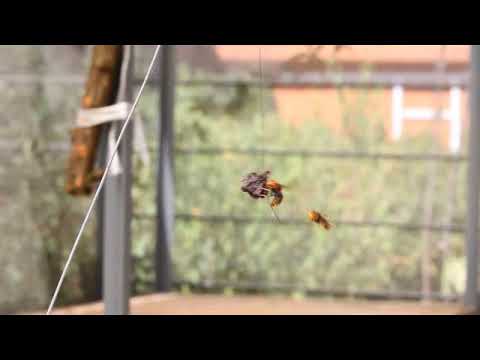
A tagged Vespa velutina attacks a diaspore of Stemona tuberosa
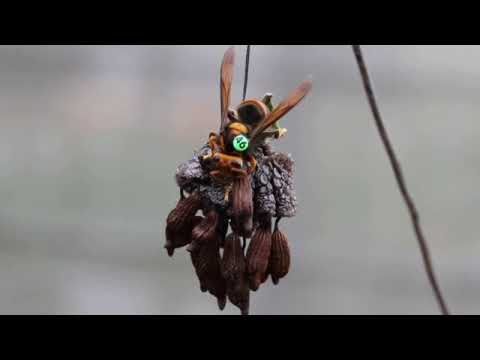
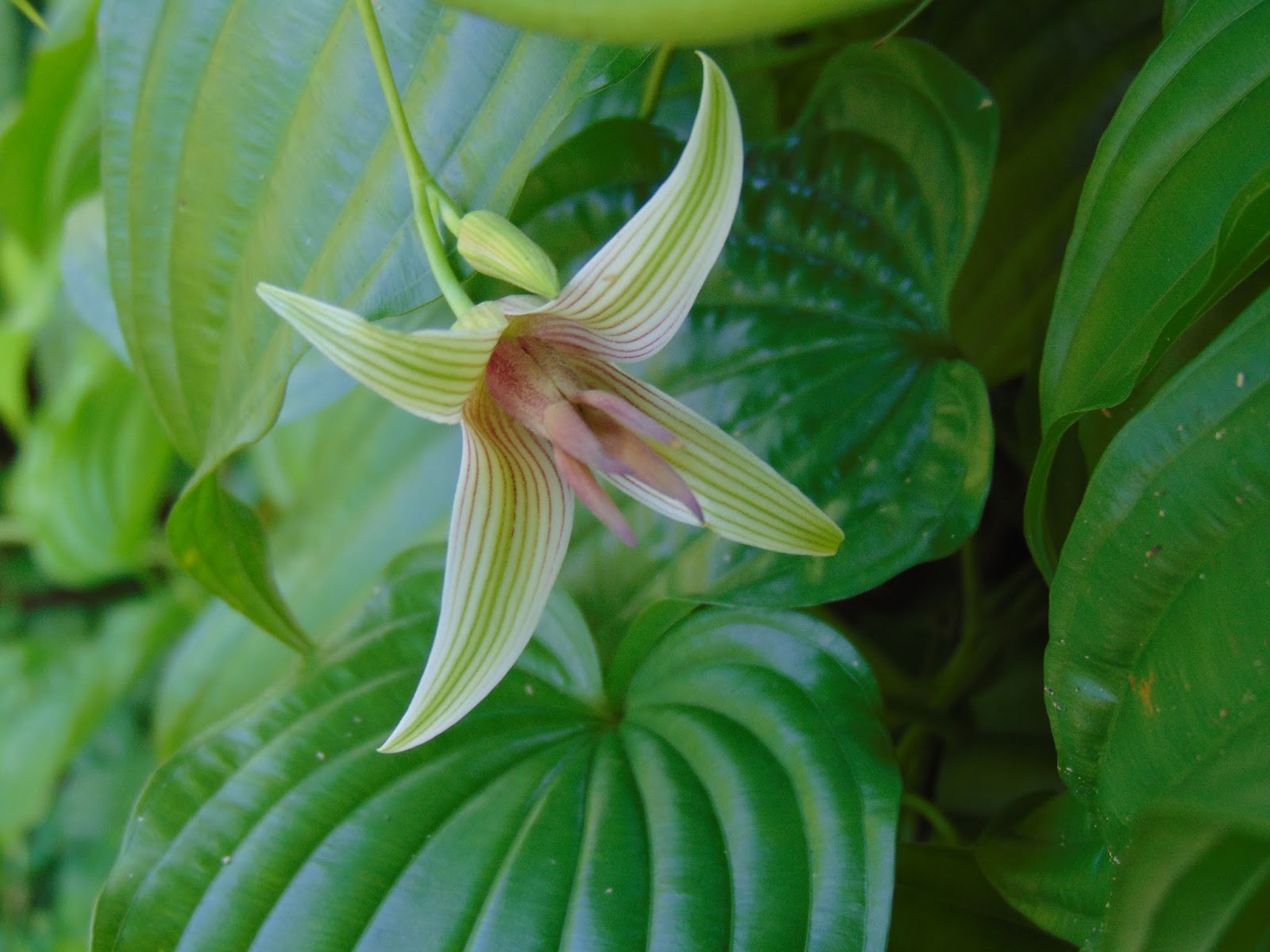
Pinyin, scientifically known as Stemona tuberosa, is a perennial herbaceous plant that belongs to the Stemonaceae family. This plant is native to East Asia, particularly found in China, Japan, and Korea. It has been used for centuries in traditional Chinese medicine (TCM) due to its various medicinal properties. The plant is known for its tuberous roots, which are the primary part used for medicinal purposes.
Botanical Description
Stemona tuberosa is characterized by its climbing or twining stems that can reach up to 2 meters in length. The leaves are alternate, ovate to lanceolate, and have a glossy green appearance. The flowers are small, usually white or pale yellow, and are borne in axillary clusters. The plant produces tuberous roots that are thick, fleshy, and often twisted, which are the main source of its medicinal compounds.
Traditional Uses
In traditional Chinese medicine, Stemona tuberosa is known as Bai Bu (百部) and is primarily used for its antitussive (cough-suppressing) properties. The roots are harvested, dried, and then used in various forms such as powders, decoctions, and tinctures. Some of the traditional uses include:
- Cough and Respiratory Issues: The most common use of Stemona tuberosa is to treat chronic coughs, bronchitis, and other respiratory ailments. It is believed to help clear phlegm and soothe the respiratory tract.
- Parasitic Infections: The plant has been used to treat parasitic infections, including lice and intestinal worms. It is often applied topically or taken internally to eliminate parasites.
- Skin Conditions: Stemona tuberosa is also used to treat various skin conditions such as eczema and dermatitis. It is applied as a poultice or in ointment form to alleviate itching and inflammation.
Active Compounds
The medicinal properties of Stemona tuberosa are attributed to its rich content of alkaloids, particularly stemonine, tuberostemonine, and croomine. These compounds have been studied for their pharmacological effects, which include:
- Antitussive: The alkaloids in Stemona tuberosa have been shown to suppress cough reflexes, making it effective in treating chronic coughs.
- Antiparasitic: The plant's compounds exhibit activity against various parasites, including lice and nematodes, making it useful in treating parasitic infections.
- Anti-inflammatory: The anti-inflammatory properties help in reducing inflammation and alleviating symptoms of skin conditions and respiratory issues.
Modern Research
Recent studies have focused on the pharmacological potential of Stemona tuberosa and its active compounds. Some key areas of research include:
- Respiratory Health: Research has confirmed the effectiveness of Stemona tuberosa in treating respiratory conditions, particularly chronic cough and bronchitis. Studies have shown that its alkaloids can reduce cough frequency and severity.
- Antiparasitic Activity: Modern research supports the traditional use of Stemona tuberosa in treating parasitic infections. Studies have demonstrated its efficacy against lice, nematodes, and other parasites.
- Anti-inflammatory Effects: The anti-inflammatory properties of Stemona tuberosa have been validated through various studies, highlighting its potential in treating inflammatory conditions.
Safety and Precautions
While Stemona tuberosa is generally considered safe when used appropriately, there are some precautions to be aware of:
- Dosage: It is important to adhere to recommended dosages, as excessive use can lead to toxicity. Consulting a healthcare professional or a qualified TCM practitioner is advised.
- Pregnancy and Breastfeeding: The safety of Stemona tuberosa during pregnancy and breastfeeding has not been well-studied, so it is best to avoid its use during these periods.
- Allergic Reactions: Some individuals may experience allergic reactions to Stemona tuberosa. It is advisable to perform a patch test before using it topically.