Orthostatic Intolerance
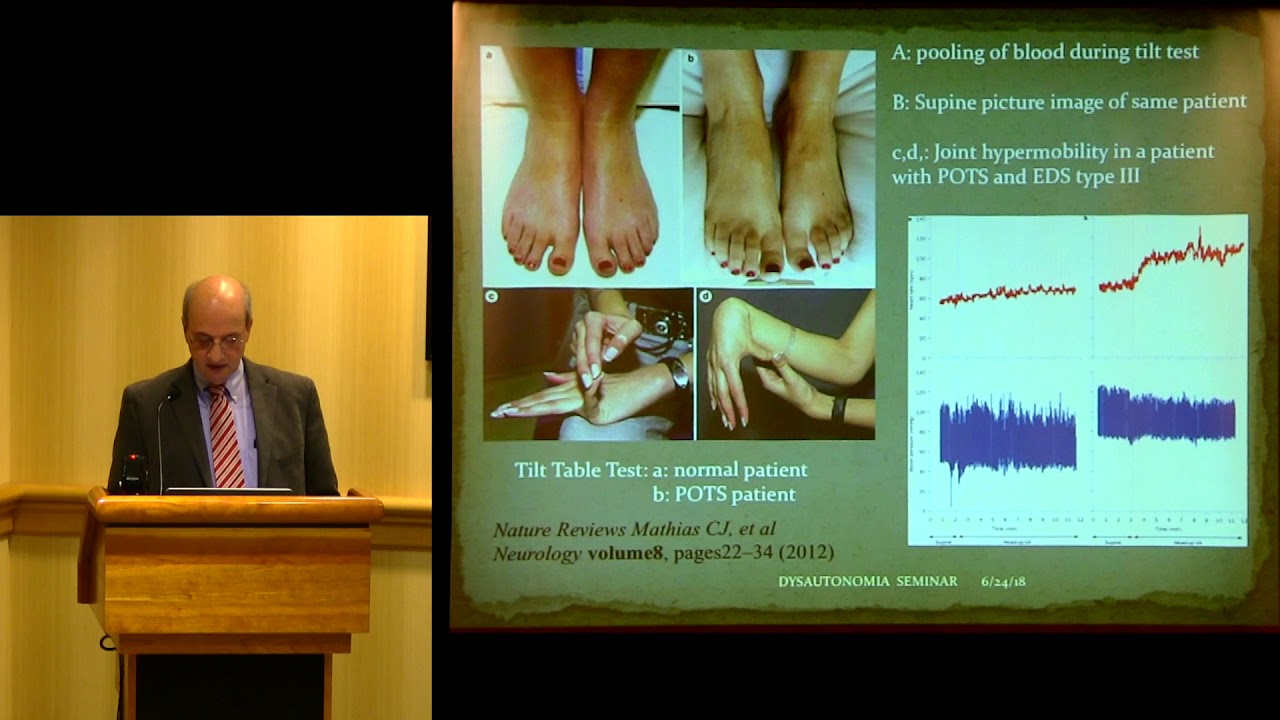
Orthostatic intolerance is a medical condition that causes unpleasant symptoms when you stand up after lying down or sitting for a prolonged period. These symptoms typically improve or disappear once you lie down again.
Symptoms of orthostatic intolerance can include:
- Dizziness or lightheadedness
- Fatigue
- Weakness
- Nausea
- Blurred vision
- Palpitations (fast or irregular heartbeat)
- Fainting (syncope)
What causes orthostatic intolerance?
Several factors can contribute to orthostatic intolerance, including:
- Dehydration: When you're dehydrated, your blood volume decreases, making it harder for your heart to pump blood to your head when you stand up.
- Certain medications: Some medications, such as diuretics, blood pressure medications, and antidepressants, can interfere with your body's ability to regulate blood pressure.
- Medical conditions: Conditions such as anemia, diabetes, and autonomic nervous system disorders can also cause orthostatic intolerance.
- Pregnancy: Hormonal changes during pregnancy can contribute to orthostatic intolerance in some women.
How is orthostatic intolerance diagnosed?
Your doctor will likely ask you about your symptoms and medical history. They may also perform a physical exam and order tests such as a blood test to check for dehydration or anemia, or a tilt-table test to see how your blood pressure and heart rate change when you move from lying down to standing up.
How is orthostatic intolerance treated?
Treatment for orthostatic intolerance depends on the underlying cause. Some general treatment measures include:
- Staying hydrated: Drink plenty of fluids throughout the day.
- Increasing salt intake: This can help increase your blood volume.
- Wearing compression stockings: These can help improve blood flow in your legs.
- Making gradual changes in position: Avoid standing up too quickly from lying down or sitting. Sit on the edge of the bed for a few minutes before standing up.
- Treating the underlying medical condition: If your orthostatic intolerance is caused by a medical condition, treating that condition can help improve your symptoms.
In some cases, medication may be needed to help regulate blood pressure.
Living with orthostatic intolerance
Orthostatic intolerance can be a frustrating and debilitating condition. However, with the right treatment and lifestyle changes, most people with orthostatic intolerance can live full and active lives.
Here are some additional tips for living with orthostatic intolerance:
- Avoid hot weather and strenuous activity, as these can worsen your symptoms.
- Elevate the head of your bed by 6 to 8 inches.
- Eat small, frequent meals throughout the day.
- Avoid alcohol and caffeine, as these can dehydrate you and worsen your symptoms.
- Join a support group for people with orthostatic intolerance. This can be a great way to connect with others who understand what you're going through.