Sugar Snap Peas
Herbs & Spices that go with Sugar Snap Peas
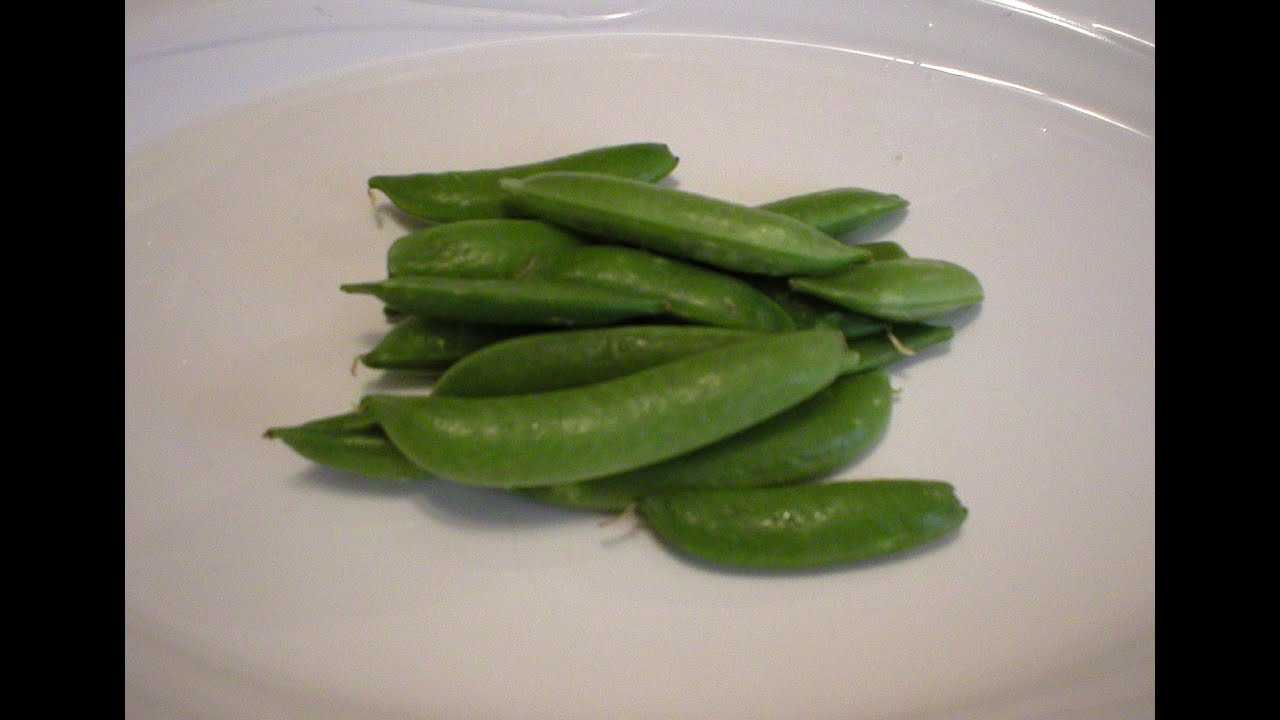
Sugar snap peas are a delightful and versatile vegetable that has gained popularity for their sweet flavor and crisp texture. They are a hybrid of snow peas and garden peas, combining the best characteristics of both.
History and Origin
Sugar snap peas were developed in the late 20th century by Dr. Calvin Lamborn and Dr. M.C. Parker. The goal was to create a pea variety that could be eaten whole, including the pod, while maintaining a sweet taste and crunchy texture. The result was the sugar snap pea, which quickly became a favorite among gardeners and chefs alike. Since their introduction, sugar snap peas have become a staple in many cuisines around the world.
Nutritional Benefits
Sugar snap peas are not only delicious but also packed with nutrients. They are an excellent source of vitamins and minerals, including:
- Vitamin C: Essential for immune function and skin health.
- Vitamin K: Important for bone health and blood clotting.
- Fiber: Aids in digestion and helps maintain a healthy weight.
- Folate: Crucial for DNA synthesis and cell growth, especially important during pregnancy.
- Iron: Vital for oxygen transport in the blood.
Additionally, sugar snap peas are low in calories and contain antioxidants that help protect the body from free radical damage. Their high water content also makes them a hydrating snack option.
Cultivation and Growing Tips
Growing sugar snap peas can be a rewarding experience for both novice and experienced gardeners. Here are some tips for successful cultivation:
- Planting Time: Sugar snap peas thrive in cool weather. Plant them in early spring as soon as the soil can be worked, or in late summer for a fall harvest.
- Soil Requirements: They prefer well-drained, fertile soil with a pH between 6.0 and 7.5. Adding compost or well-rotted manure can improve soil quality.
- Sunlight: Full sun is ideal, but sugar snap peas can tolerate partial shade.
- Watering: Keep the soil consistently moist, especially during flowering and pod development. Avoid waterlogging, as it can lead to root rot.
- Support: Provide a trellis or support structure for the vines to climb, as this encourages better air circulation and easier harvesting.
- Harvesting: Pick sugar snap peas when the pods are plump and bright green. Regular harvesting encourages more pod production.
Culinary Uses
Sugar snap peas are incredibly versatile in the kitchen. Their sweet flavor and crunchy texture make them a popular choice for a variety of dishes. Here are some ways to enjoy them:
- Raw: Enjoy sugar snap peas as a healthy snack on their own or with dips like hummus or yogurt-based dressings.
- Salads: Add them to salads for a refreshing crunch. They pair well with other fresh vegetables, nuts, and cheeses.
- Stir-Fries: Quickly stir-fry sugar snap peas with other vegetables and proteins for a nutritious and colorful meal.
- Steamed or Blanched: Lightly steam or blanch them to retain their crispness and vibrant color. Serve as a side dish with a sprinkle of salt and pepper.
- Soups and Stews: Add them towards the end of cooking to maintain their texture and flavor.
Storage and Preservation
To keep sugar snap peas fresh, store them in the refrigerator in a perforated plastic bag. They can last up to a week when stored properly. For longer preservation, consider freezing them:
- Blanching: Briefly blanch the peas in boiling water for 1-2 minutes, then transfer them to an ice bath to stop the cooking process.
- Freezing: Once cooled, drain and pat them dry. Place the peas in a single layer on a baking sheet and freeze until solid. Transfer to airtight containers or freezer bags for long-term storage.