Otitis Externa

Ear Wick Placement:

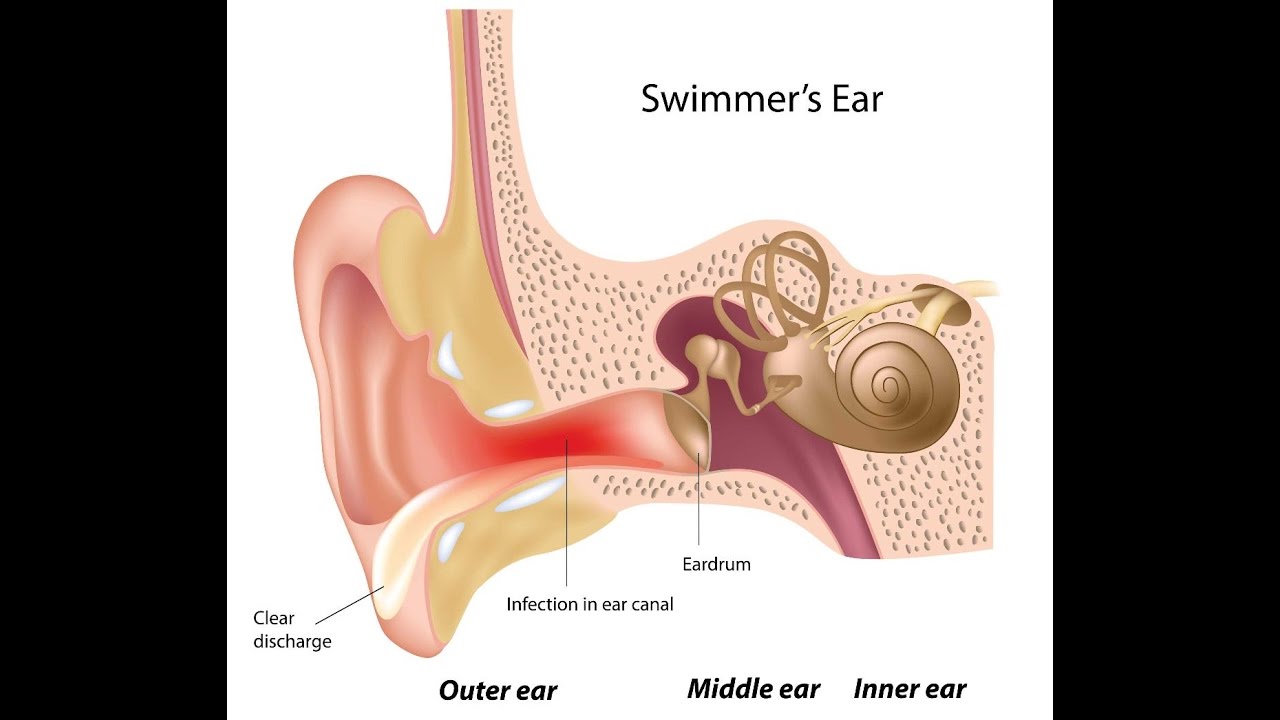
The Difference Between Outer and Middle Ear Infections
Case Review
Otitis externa, commonly known as swimmer's ear, is a condition characterized by inflammation of the ear canal, which can cause discomfort and pain. It is a prevalent condition, particularly during the summer months when people engage in water-related activities. This summary will explore the causes, symptoms, and treatment options for otitis externa.
Causes
Otitis externa is primarily caused by bacterial or fungal infections. When water enters the ear canal, it can disrupt the natural balance of bacteria or fungi, leading to an overgrowth and subsequent infection. Other contributing factors include excessive cleaning of the ear canal, irritation from foreign objects, or damage to the skin lining the ear canal.
Symptoms
The symptoms of otitis externa can vary in severity. Common signs include:
- Pain or discomfort in the ear, which may worsen when the earlobe is pulled or the tragus is touched.
- Itching or a sensation of fullness in the ear canal.
- Redness and swelling of the outer ear.
- Discharge from the ear, which can be clear, yellowish, or bloody.
- Temporary hearing loss or muffled hearing caused by blockage of the ear canal.
- Swollen lymph nodes in the neck.
Diagnosis
A healthcare professional can diagnose otitis externa based on the symptoms and a physical examination of the ear. They may use an otoscope to visualize the ear canal and determine the extent of the infection. In some cases, a sample of the discharge may be collected and sent for laboratory analysis to identify the specific bacteria or fungus causing the infection.
Treatment
Treatment for otitis externa typically involves a combination of medical interventions and self-care measures. The primary goals are to relieve pain, reduce inflammation, and eliminate the infection. The following treatment options may be recommended:
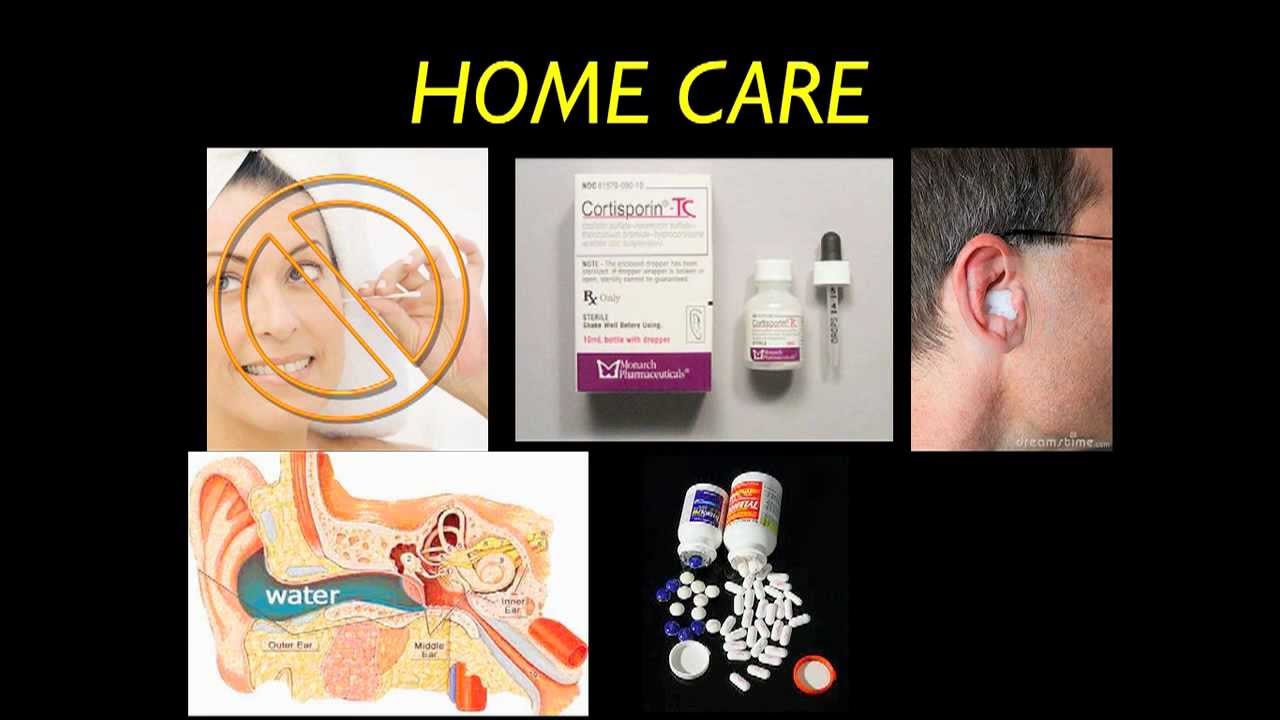
- Pain relief: Over-the-counter pain relievers such as ibuprofen or acetaminophen can help alleviate discomfort.
- Ear drops: Prescription ear drops containing antibiotics or antifungal medications are often prescribed to treat the infection directly.
- Ear cleaning: In some cases, the healthcare professional may need to clean the ear canal to remove discharge and debris, allowing the medication to penetrate effectively.
- Avoiding water exposure: It is crucial to keep the ears dry during the healing process. Using earplugs or a shower cap can prevent water from entering the ear canal.
- Avoiding irritants: Individuals with otitis externa should avoid using cotton swabs or inserting any objects into the ear, as these can further irritate the ear canal and worsen the condition.
- Follow-up care: It is essential to complete the full course of prescribed medications and attend follow-up appointments to ensure the infection is fully resolved.
Prevention
Taking preventive measures can significantly reduce the risk of developing otitis externa. Here are some strategies to consider:
- Dry ears thoroughly: After swimming or bathing, gently dry the ears with a towel or a hairdryer on a low setting to remove any moisture.
- Avoid excessive ear cleaning: The ear canal has a self-cleaning mechanism, so there is no need to insert cotton swabs or other objects into the ear.
- Use ear protection: When swimming or engaging in water activities, wearing earplugs or a swim cap can help prevent water from entering the ear canal.
- Avoid irritants: Keep away from substances that may irritate the ear canal, such as hairspray or hair dyes.
- Maintain ear hygiene: Regularly clean the outer ear with a damp cloth, being careful not to insert anything into the ear canal.