Growing Squash
5 tips for bigger better squash harvest
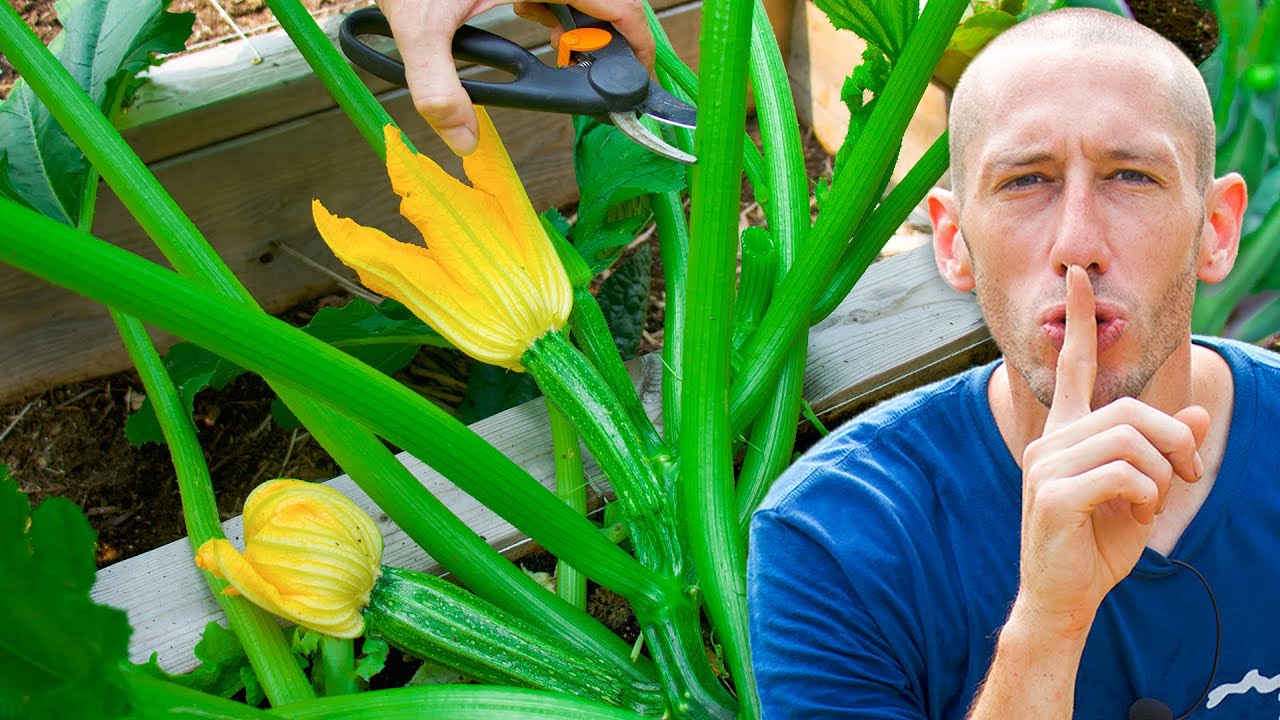
Growing squash can be a rewarding endeavor for both novice and experienced gardeners. Squash plants are known for their vigorous growth, abundant yields, and versatility in the kitchen.
Types of Squash
Squash is generally categorized into two main types:
- Summer Squash: These varieties, including zucchini and yellow squash, are harvested when immature, with tender skin and flesh. They grow quickly and are typically ready to pick within 50 to 65 days after planting.
- Winter Squash: This group includes butternut, acorn, and spaghetti squash. They are harvested when fully mature, with hard skins that allow for long-term storage. Winter squash takes longer to mature, usually between 80 to 120 days.
Preparing to Plant
Before planting squash, consider the following steps to ensure a successful growing season:
- Site Selection: Choose a location with full sun exposure, as squash plants require at least 6 to 8 hours of direct sunlight daily. Ensure the soil is well-drained to prevent root rot.
- Soil Preparation: Squash thrives in rich, fertile soil. Amend the soil with organic matter such as compost or well-rotted manure to improve fertility and drainage. Aim for a soil pH between 6.0 and 6.8.
- Planting Time: Squash is sensitive to frost, so plant seeds or transplants after the last frost date in your area. For a continuous harvest, consider staggering plantings every two weeks.
Planting Squash
Follow these steps to plant squash successfully:
- Sowing Seeds: Direct sow squash seeds in the garden once the soil has warmed to at least 60°F (15°C). Plant seeds 1 inch deep and 2 to 3 feet apart in rows or hills.
- Transplanting: If starting seeds indoors, transplant seedlings when they have at least two true leaves and the danger of frost has passed. Handle seedlings carefully to avoid damaging the roots.
- Spacing: Provide ample space for squash plants to spread. Summer squash requires about 3 feet between plants, while winter squash needs 4 to 6 feet.
Caring for Squash Plants
Proper care is essential for healthy squash plants and a productive harvest:
- Watering: Squash plants need consistent moisture, especially during flowering and fruiting. Water deeply once a week, providing 1 to 1.5 inches of water. Avoid overhead watering to reduce the risk of fungal diseases.
- Mulching: Apply a layer of organic mulch around the base of the plants to conserve moisture, suppress weeds, and maintain a stable soil temperature.
- Fertilizing: Feed squash plants with a balanced fertilizer or compost tea every 3 to 4 weeks. Avoid excessive nitrogen, which can lead to lush foliage but fewer fruits.
- Pest and Disease Management: Monitor plants for common pests like squash bugs and vine borers. Use row covers to protect young plants and remove any infested leaves. Practice crop rotation and proper sanitation to minimize disease risks.
Harvesting Squash
Knowing when and how to harvest squash is crucial for optimal flavor and storage:
- Summer Squash: Harvest when fruits are 6 to 8 inches long and the skin is still tender. Frequent harvesting encourages continuous production.
- Winter Squash: Wait until the rind is hard and the fruit has reached its mature color. Use a sharp knife or pruners to cut the squash from the vine, leaving a few inches of stem attached.
Storing Squash
Proper storage extends the shelf life of your squash harvest:
- Summer Squash: Store in the refrigerator for up to a week. For longer storage, consider freezing or pickling.
- Winter Squash: Cure in a warm, dry place for 10 to 14 days, then store in a cool, dark area. Properly cured winter squash can last several months.