6 Pathophysiology - Cell & Somatic Death
Current and Emerging Biomarkers of Cell Death in Human Disease
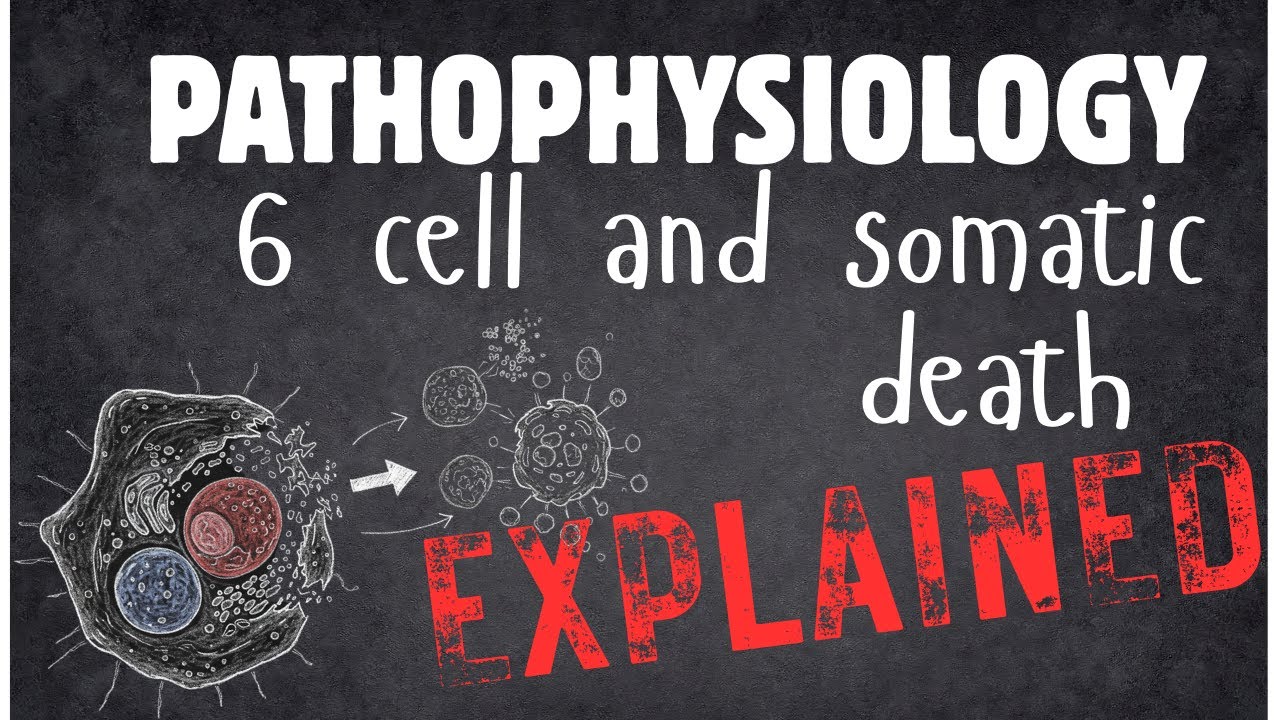
CELL DEATH: AN OVERVIEW
Cell death is a natural and essential part of life, playing a critical role in development, homeostasis, and disease. It can occur through several mechanisms, primarily categorized into two types: apoptosis and necrosis.
Apoptosis
Apoptosis, often referred to as programmed cell death, is a highly regulated and controlled process that allows cells to die without causing harm to the surrounding tissue. This process is vital for maintaining cellular homeostasis and is involved in various physiological processes, including:
- Embryonic development
- Immune system regulation
- Removal of damaged or potentially cancerous cells
Apoptosis is characterized by specific morphological changes, such as cell shrinkage, chromatin condensation, and membrane blebbing. The process is mediated by a family of proteases known as caspases, which are activated in response to internal or external signals.
Necrosis
In contrast to apoptosis, necrosis is a form of traumatic cell death resulting from acute cellular injury. It is often associated with inflammation and can lead to further tissue damage. Necrosis can be caused by factors such as:
- Physical trauma
- Infection
- Toxins
- Ischemia (lack of blood supply)
Unlike apoptosis, necrosis is not a regulated process and typically results in the uncontrolled release of cellular contents, which can trigger an inflammatory response.
Somatic Death: The End of Life
Somatic death refers to the death of the entire organism, marking the cessation of all biological functions that sustain life. It is the ultimate consequence of irreversible damage to vital systems, such as the cardiovascular, respiratory, and nervous systems. Somatic death is characterized by several physiological changes, including:
- Cessation of heartbeat and respiration
- Loss of brain function
- Rigor mortis (stiffening of muscles post-mortem)
- Decomposition
Stages of Somatic Death
Somatic death can be divided into several stages, each with distinct physiological changes:
- Clinical Death: This stage occurs when the heart stops beating, and respiration ceases. It is often reversible if immediate medical intervention is provided.
- Biological Death: This stage is marked by the irreversible cessation of all brain activity. At this point, resuscitation is no longer possible.
- Cellular Death: Following biological death, individual cells begin to die due to the lack of oxygen and nutrients. This process can take several hours to days, depending on the environmental conditions.
Implications of Cell and Somatic Death
Understanding the mechanisms of cell and somatic death has significant implications for medical science and healthcare. It provides insights into the progression of diseases, the development of therapeutic interventions, and the ethical considerations surrounding end-of-life care.
Disease Progression
Many diseases, such as cancer, neurodegenerative disorders, and cardiovascular diseases, involve dysregulation of cell death processes. For instance, excessive apoptosis can lead to tissue atrophy, while insufficient apoptosis can result in uncontrolled cell proliferation, as seen in cancer.
Therapeutic Interventions
Targeting cell death pathways offers potential therapeutic strategies for various diseases. For example, drugs that induce apoptosis in cancer cells can help eliminate tumors, while agents that inhibit apoptosis may protect neurons in neurodegenerative diseases.
Ethical Considerations
The concept of somatic death raises important ethical questions, particularly in the context of life support and organ donation. Determining the exact moment of death is crucial for making informed decisions about end-of-life care and the allocation of medical resources.