Concussion
VIDEOS

How Concussions Affect Your Neurons #Shorts
Zinc and TBI / Concussion Recovery
Head's Up - Feldenkrais Help for Concussion and Whiplash Recovery
How to Navigate Post-Concussion Treatment for Your Child Athlete | Peter Attia & Michael
Concussions and head trauma: symptoms, treatment, and recovery
Returning to Play After Concussion
Beyond Concussion, Mental Game, No Sugar, and Vision
Dynamic Visual-Vestibular Tesitng for Concussion and mTBI
Concussions and Brain Injury Improve via Gut Health
The Impact of Impacts on the Brain with Joseph Maroon
Zinc and Traumatic Brain Injury
Autonomic Dysfunction & Concussion
Beyond Concussion, Mental Game, No Sugar, and Vision
Concussion Q&A
Do Repeated Head Impacts Cause Chronic Traumatic Encephalopathy (CTE)?
Short Report: Hacking a Concussion with Dave
Concussions in Children’s Sports
Protocol for Recovery After a Concussion
How to Decide if Athlete Should Continue Game After a Concussion
Q & A
A concussion is a type of traumatic brain injury (TBI) that occurs when the brain is jolted or shaken inside the skull. This can happen due to a blow to the head, a fall, or any impact that causes the head to move rapidly back and forth. Concussions are often referred to as "mild" brain injuries because they are usually not life-threatening. However, they can still have serious effects on a person's health and well-being.
Causes and Risk Factors
Concussions can result from various incidents, including:
- Sports injuries, particularly in contact sports like football, hockey, and soccer.
- Falls, which are a common cause among children and the elderly.
- Car accidents, where the sudden stop or impact can cause the brain to hit the skull.
- Physical assaults or fights.
Certain factors can increase the risk of sustaining a concussion:
- Previous concussions, which can make the brain more susceptible to future injuries.
- Participation in high-risk sports or activities.
- Lack of protective gear or improper use of safety equipment.
- Age, as children and teenagers are more prone to concussions due to their developing brains.
Symptoms of a Concussion
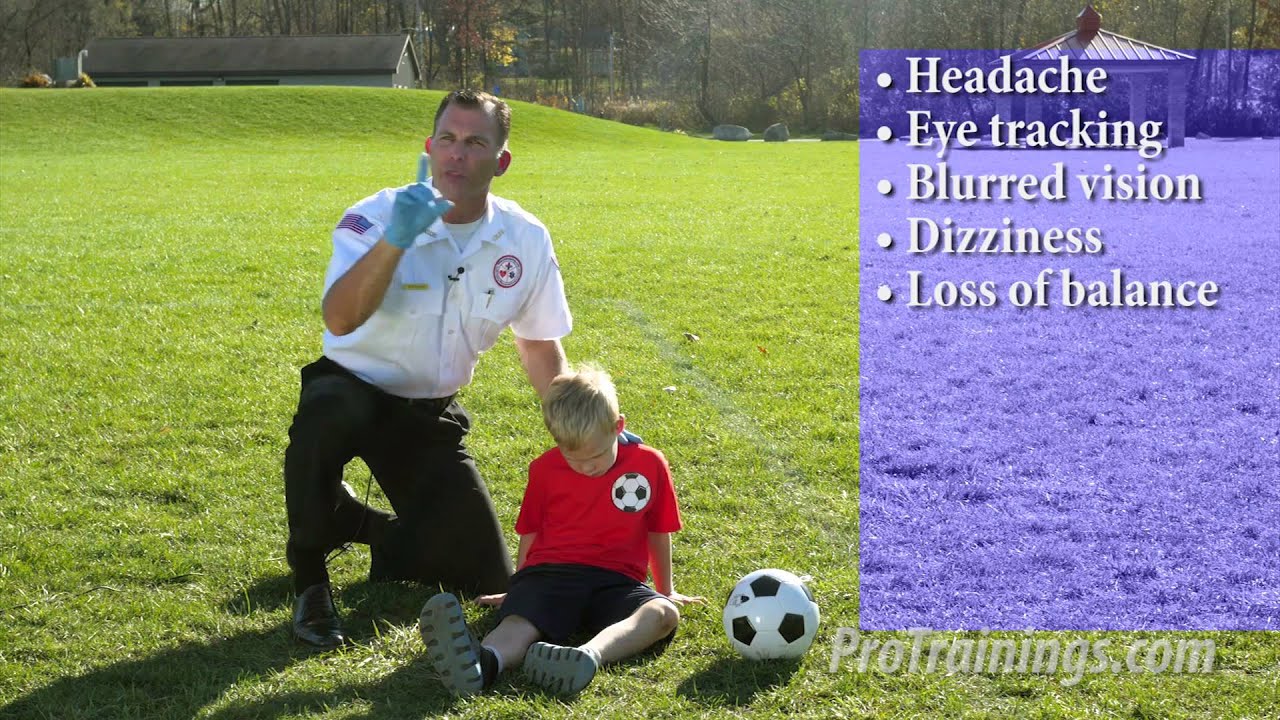
Symptoms of a concussion can vary widely and may not appear immediately after the injury. They can be grouped into four main categories:
- Physical Symptoms
* Headache or a feeling of pressure in the head
* Nausea or vomiting
* Balance problems or dizziness
* Sensitivity to light or noise
- Cognitive Symptoms
* Confusion or feeling "foggy"
* Difficulty concentrating or remembering
* Slowed reaction times
- Emotional Symptoms
* Irritability or mood swings
* Anxiety or depression
* Feeling more emotional than usual
- Sleep-Related Symptoms
* Trouble falling asleep
* Sleeping more or less than usual
Diagnosis and Treatment
Diagnosing a concussion typically involves a medical evaluation, which may include:
- A physical examination to assess balance, coordination, and reflexes.
- A neurological exam to check vision, hearing, strength, and sensation.
- Cognitive tests to evaluate memory, concentration, and problem-solving skills.
In some cases, imaging tests like a CT scan or MRI may be used to rule out more severe brain injuries.
Treatment
The primary treatment for a concussion is rest, both physical and mental. This allows the brain to heal and recover. Key aspects of concussion management include:
- Physical Rest: Avoiding physical activities that could worsen symptoms or risk another injury.
- Cognitive Rest: Limiting activities that require concentration, such as reading, using electronic devices, or doing schoolwork.
- Gradual Return to Activities: Slowly reintroducing physical and cognitive activities as symptoms improve, under the guidance of a healthcare professional.
Pain relief can be managed with over-the-counter medications like acetaminophen, but it's important to avoid aspirin or ibuprofen, which can increase the risk of bleeding.
Prevention Strategies
Preventing concussions involves taking steps to reduce the risk of head injuries:
- Wear Protective Gear: Use helmets and other protective equipment when participating in sports or activities with a risk of head injury.
- Ensure Safe Environments: Make living spaces safer by removing tripping hazards, installing handrails, and using non-slip mats.
- Educate and Train: Teach athletes, coaches, and parents about the signs and risks of concussions and the importance of reporting and managing them properly.
- Follow Safety Rules: Adhere to rules and guidelines designed to minimize the risk of head injuries in sports and recreational activities.
Long-Term Effects and Considerations
While most people recover fully from a concussion, some may experience prolonged symptoms, known as post-concussion syndrome. This can include persistent headaches, dizziness, and cognitive difficulties. Repeated concussions can lead to more severe long-term effects, such as chronic traumatic encephalopathy (CTE), a degenerative brain condition.
Articles/Studies
Could concussion be monitored through urine samples? Concussion can be hard to diagnose and track. It doesn't show up on routine brain scans, and there is no definitive diagnostic test. New research could lead to urine 'biomarkers' that could be used to diagnose concussion and monitor recovery. Using proteomics, researchers compared urine samples from college athletes with and without concussion.
Starting physical activity three days post-concussion is safe, has better outcomes, study suggests
Egg Experiment Reveals Scrambling of the Brain on Impact to Find Answers About Concussions
One-legged stance tests balance after concussion A 30-second single-leg stance could be an effective way to detect subtle deficiencies in a child’s postural control after a concussion
2018 -Researchers chart a new way to look at concussion
First-of-Its-Kind Study Explains Why Rest is Critical After A Concussion
This Single Brain Activity Might Diagnose a Concussion
Blood biomarkers may allow easier detection, confirmation of concussions
Saliva Test Could Diagnose Concussion: Study
Using Outdated Advice May Slow Concussion Recovery
Biomarker in blood may help predict recovery time for sports concussions
Preventing, treating sport-related concussions: New consensus
A single concussion may increase risk of Parkinson's disease
Does concussion recovery and symptom severity differ between men and women?
Women may be more vulnerable to concussions because of 'leaner' nerve fibers, study
Molecules in spit may be able to diagnose, predict length of concussions
Two-thirds of children with concussions not receiving medical follow-ups
Concussion and Mild Traumatic Brain Injury: A Functional Medicine Approach to Healing the Brain
Assessing concussion symptom presentation may provide insight into rise in rates