Bermuda grass
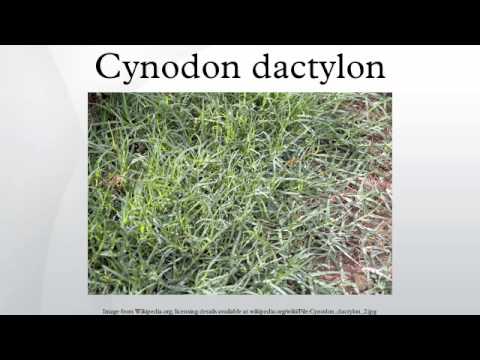
Bermuda grass, scientifically known as Cynodon dactylon, is a warm-season perennial grass that is widely recognized for its durability and adaptability. Originating from the African savannas, this grass has become a staple in lawns, sports fields, and pastures around the world. Its ability to thrive in a variety of climates and soil types makes it a popular choice for both residential and commercial landscapes.
Characteristics
Growth and Appearance
Bermuda grass is characterized by its fine texture and dense growth habit. It has a deep green color and forms a thick mat, which helps in preventing soil erosion. The grass spreads through both stolons (above-ground runners) and rhizomes (underground stems), allowing it to cover large areas quickly. This aggressive growth pattern can be both an advantage and a disadvantage, as it can outcompete other plants and become invasive if not properly managed.
Climate and Soil Requirements
Bermuda grass thrives in warm climates and is highly drought-tolerant. It prefers full sunlight and can withstand high temperatures, making it ideal for regions with hot summers. The grass grows best in well-drained soils with a pH range of 5.5 to 7.0 but can adapt to a variety of soil types, including sandy and clay soils.
Uses
Lawns and Landscaping
Due to its dense growth and attractive appearance, Bermuda grass is a popular choice for lawns and landscaping. It provides a lush, green carpet that is both aesthetically pleasing and functional. The grass's ability to recover quickly from damage makes it ideal for high-traffic areas such as playgrounds and parks.
Sports Fields
Bermuda grass is commonly used on sports fields, including golf courses, football fields, and baseball diamonds. Its resilience and ability to withstand heavy foot traffic make it a preferred choice for these applications. The grass's quick recovery rate ensures that the playing surface remains in good condition throughout the season.
Pastures and Forage
In addition to its use in lawns and sports fields, Bermuda grass is also valuable as forage for livestock. Its high nutritional content and palatability make it an excellent choice for grazing animals. The grass can be harvested for hay, providing a reliable source of feed during the winter months.
Maintenance
Mowing
Regular mowing is essential to maintain the health and appearance of Bermuda grass. The recommended mowing height is between 1 to 2 inches for lawns and slightly higher for sports fields and pastures. Frequent mowing encourages dense growth and helps prevent the grass from becoming too tall and coarse.
Watering
While Bermuda grass is drought-tolerant, it still requires regular watering to maintain its lush appearance. Deep, infrequent watering is recommended to encourage deep root growth. Overwatering can lead to shallow roots and increased susceptibility to diseases.
Fertilization
Bermuda grass benefits from regular fertilization to promote healthy growth. A balanced fertilizer with a ratio of 3-1-2 (nitrogen-phosphorus-potassium) is ideal. Fertilization should be done during the growing season, typically from late spring to early fall. Soil testing can help determine the specific nutrient needs of the grass.
Weed and Pest Control
Due to its aggressive growth, Bermuda grass can outcompete many weeds. However, it is still susceptible to certain pests and diseases. Regular monitoring and the use of appropriate herbicides and pesticides can help manage these issues. Integrated pest management (IPM) practices, such as promoting beneficial insects and using organic treatments, can also be effective.
Challenges
Invasiveness
One of the main challenges with Bermuda grass is its potential to become invasive. Its aggressive growth can lead to the displacement of other plants, making it difficult to control in some settings. Proper management practices, such as regular mowing and the use of barriers, can help contain its spread.
Cold Sensitivity
Bermuda grass is sensitive to cold temperatures and may go dormant or suffer damage during the winter months in cooler climates. Overseeding with a cool-season grass, such as ryegrass, can help maintain a green lawn throughout the year.