Guava
See also: Psidium (genus)
Video
About Guava
How to Prepare
Serving Suggestions
What Goes with Guava?
Overview
Warm, sweet, effects stomach and large intestine, obstructive and constrictive, stops diarrhea and bleeding.
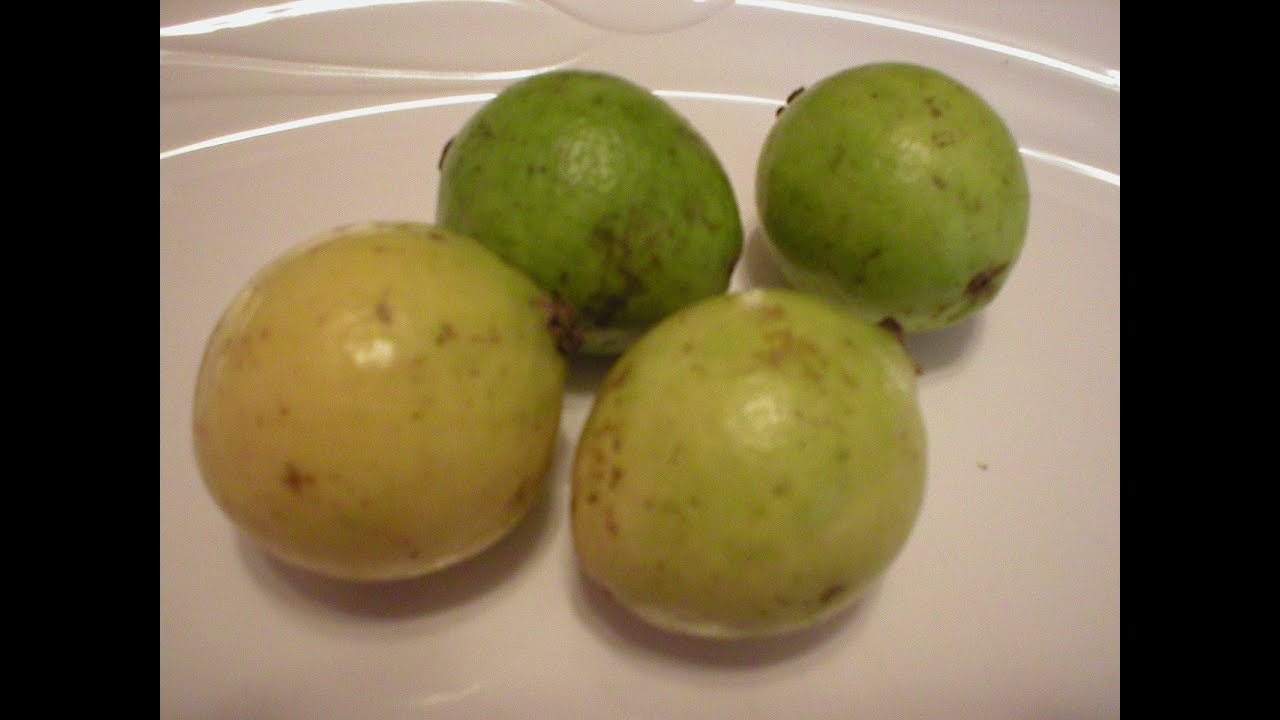
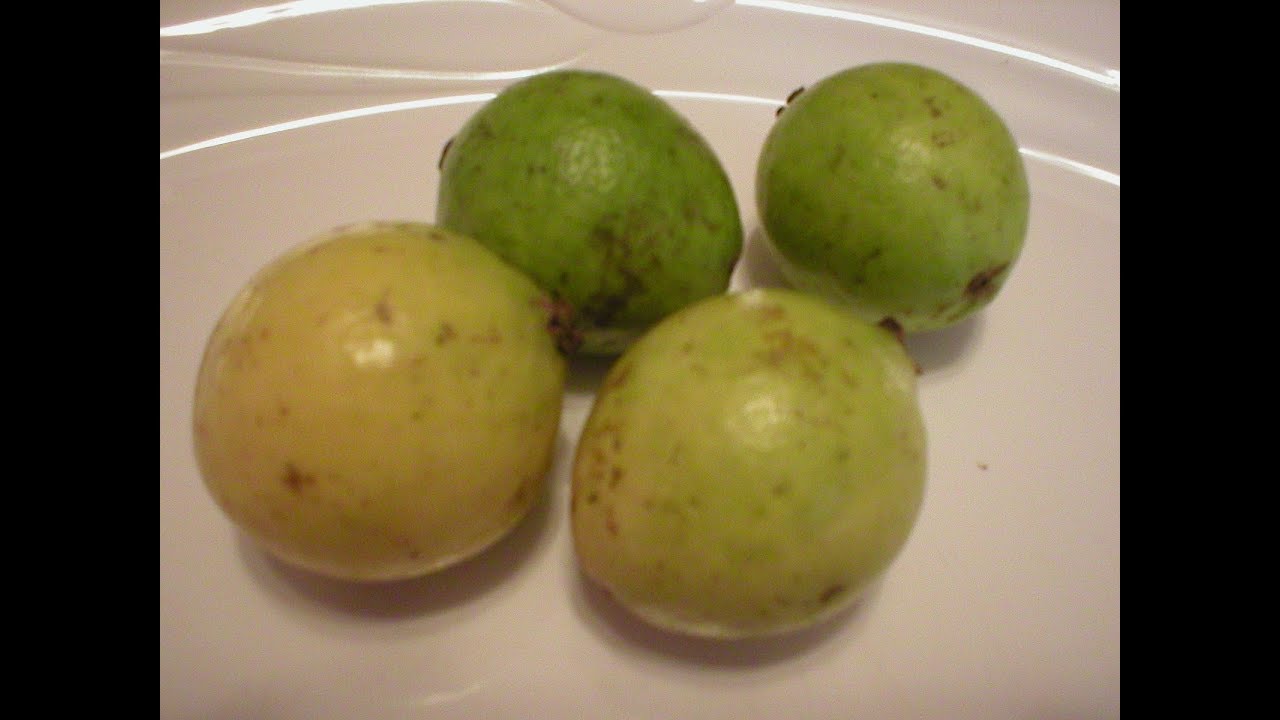
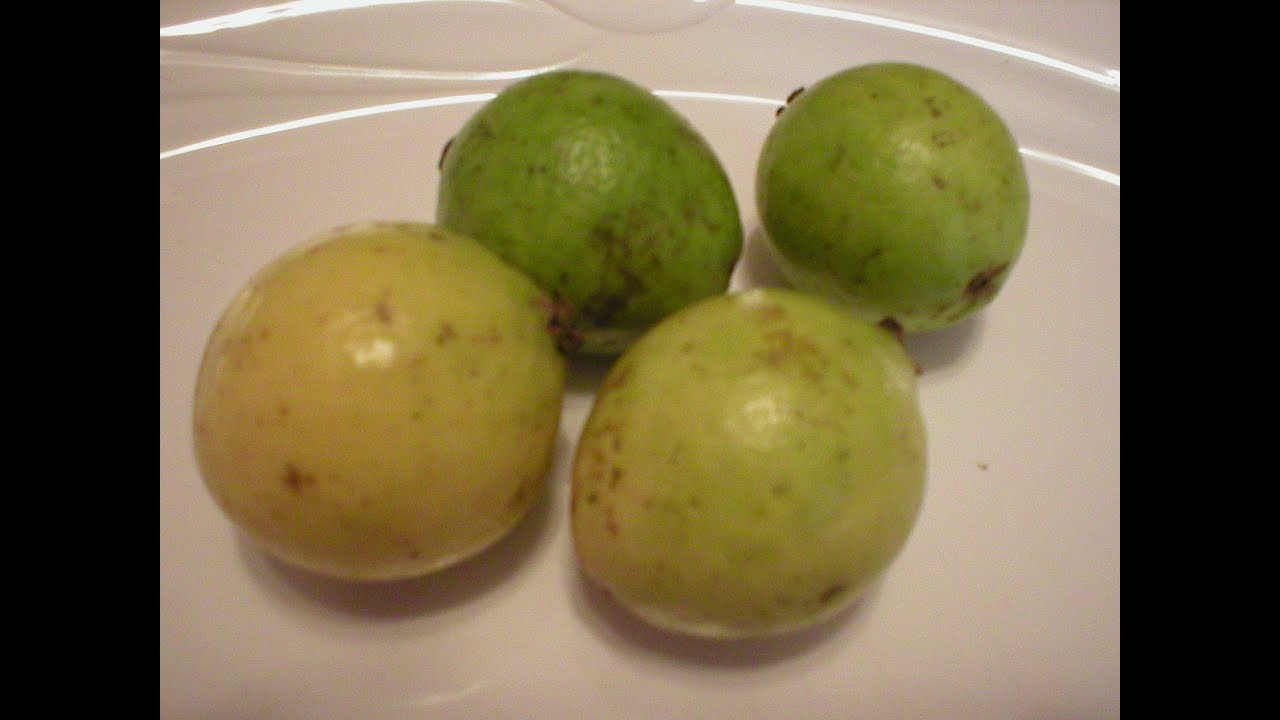
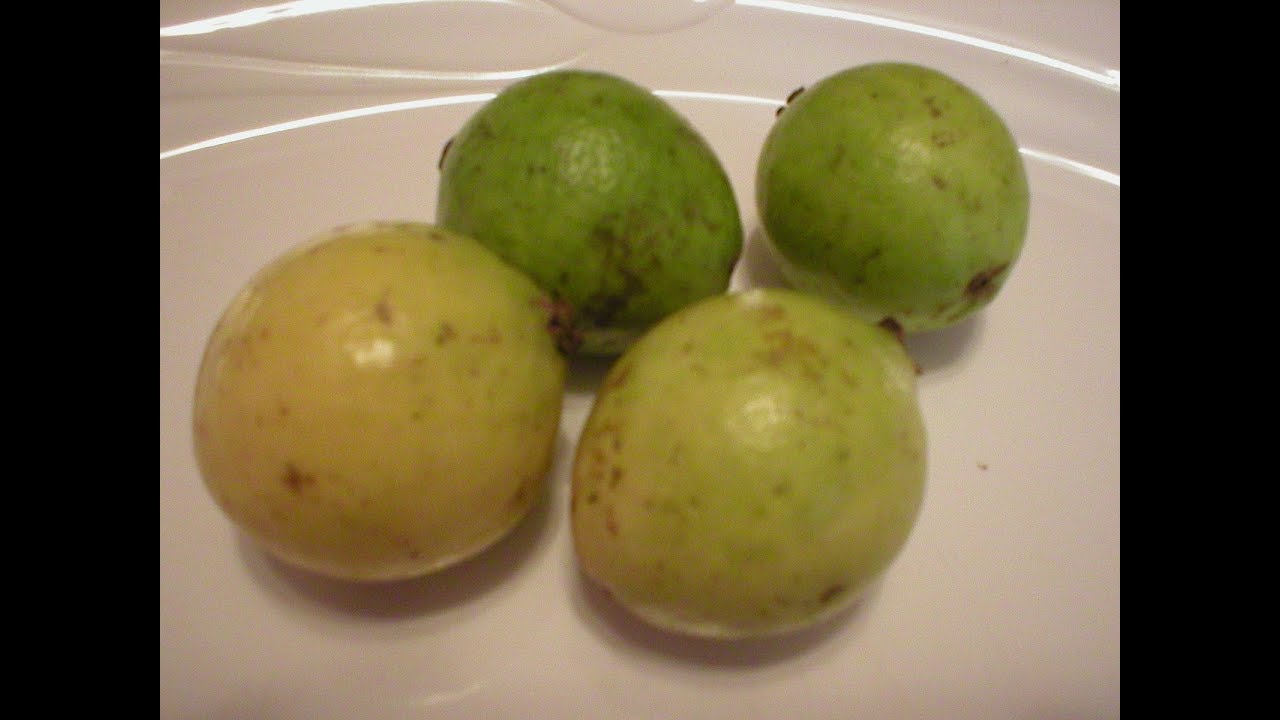
Guava is a small tree or shrub that produces delicious fruits, native to South America, Central America and the Caribbean. There are a number of varieties on the market, so the growth characteristics of the individual trees and fruits can vary as well depending on the variety. In general, they are roundish fruits with a pink aromatic flesh (sometimes also yellow, reddish, greenish or white). The fruits are consumed either raw or cooked, and they (as well as the leaves) may also be fed to livestock. In some kinds of cuisine, the leaves are also consumed. The fruits are high in Vitamins A & C, as well as pectin and dietary fiber. Guava is considered GRAS in the US as an oil, extract and oleoresin. An edible oil may be extracted from the seeds, as well. The wood from the Guava tree is also used for construction or smoking meats.
The Guava and its various plant parts (mainly the leaves and fruits) have a long history of use in the traditional medicines of many different regions, including Asia, Africa, the Caribbean and Central America. It has been used extensively as a hypoglycemic agent, and its other main uses are for diarrhea and dysentery due to its antispasmodic and antimicrobial activity. Guava contains a number of pharmacologically active compounds, and it is the phenolic compounds thought to be mainly responsible for its effects on blood sugar. In a randomized clinical trials guava extract has been found to have beneficial effects in primary dysmennorhea disorder, probably due to its antispasmodic action. In another randomized clinical trial Guava leaf tea was found to ameliorate symptoms of type 2 diabetes. Through scientific investigation, it has been documented to exhibit antispasmodic, antimicrobial, antioxidant, antiplasmodial, cytotoxic, cardioprotective, anticough, antidiabetic, anti-inflammatory and antinociceptive activities. (Source)
Articles/Studies
Guava, a plant of multipurpose medicinal applications
Anemia
Scientists say guava juice could make iron supplements work better. Guava juice reduces women's anemia risk. Researchers found that drinking guava juice may significantly improve anemia by helping the body absorb iron more efficiently. In a review of 17 studies, women and teenage girls who consumed guava juice — especially with iron supplements — experienced noticeable increases in hemoglobin levels.
Antibacterial
Antibiofilm and anti-quorum sensing activity of Psidium guajava L. leaf extract.
Alzheimer’s
Bones
Guava fruit extract and its triterpene constituents have osteoanabolic effect.
Cancer
Psidium guajava induces cytotoxicity in human malignant glioblastoma cell line.
Cardiovascular
Gastrointestinal
Antidiarrheal effect of Psidium guajava L. extract in acute diarrhea.