Devilqueen
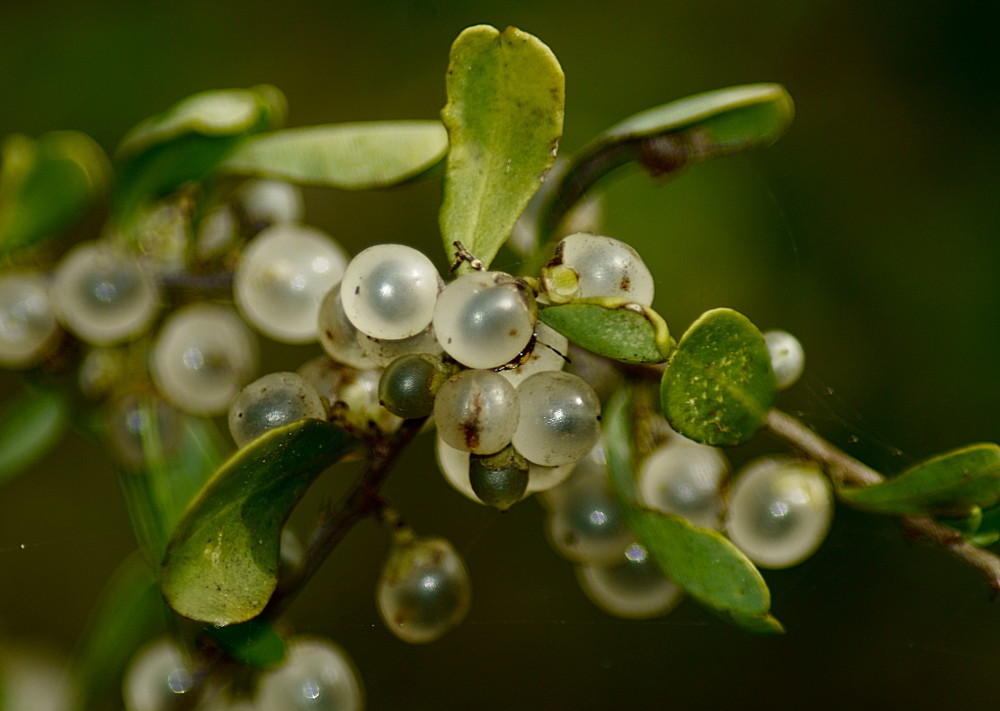
The Phaulothamnus spinescens, commonly known as Devilqueen, is a fascinating plant species that belongs to the Amaranthaceae family. This unique plant is native to the southwestern United States and northern Mexico, where it thrives in arid and semi-arid environments. Its distinctive characteristics and ecological significance make it an interesting subject of study for botanists and plant enthusiasts alike.
Description
Devilqueen is a perennial shrub that can grow up to 1.5 meters in height. It is characterized by its spiny branches, which are a defining feature of the plant. The branches are typically grayish-green and covered with small, sharp spines that serve as a defense mechanism against herbivores. The leaves of the Devilqueen are small, simple, and alternate, with a pale green color that helps the plant conserve water in its dry habitat.
The flowers of Phaulothamnus spinescens are small and inconspicuous, usually greenish or whitish in color. They are arranged in clusters along the stems and are wind-pollinated, a common adaptation for plants in arid regions where insect pollinators may be scarce. The fruit is a small, dry capsule that contains several seeds, which are dispersed by wind or water.
Habitat and Distribution
Devilqueen is well-adapted to the harsh conditions of its native range, which includes the Chihuahuan Desert and parts of the Sonoran Desert. It is commonly found in rocky or sandy soils, often in areas with limited vegetation. The plant's ability to thrive in such environments is due to its drought tolerance and efficient water-use strategies.
In the United States, Phaulothamnus spinescens is primarily found in Texas and New Mexico, while in Mexico, it is distributed across several northern states. Its presence in these regions highlights its adaptability to different soil types and climatic conditions.
Ecological Role
As a native species, Devilqueen plays a crucial role in its ecosystem. It provides habitat and food for various desert-dwelling animals, including insects, birds, and small mammals. The spiny branches offer protection and nesting sites for birds, while the seeds serve as a food source for rodents and other small animals.
Moreover, Phaulothamnus spinescens contributes to soil stabilization in its arid habitat. Its root system helps prevent soil erosion, which is particularly important in desert environments where vegetation cover is sparse. By stabilizing the soil, Devilqueen supports the growth of other plant species and maintains the overall health of the ecosystem.
Conservation Status
Currently, Phaulothamnus spinescens is not listed as a threatened or endangered species. However, like many desert plants, it faces challenges from habitat loss and climate change. Urban development, agriculture, and mining activities can lead to habitat fragmentation and degradation, which may impact the plant's populations.
Conservation efforts for Devilqueen focus on preserving its natural habitat and promoting sustainable land-use practices. Protecting the areas where this plant thrives ensures the survival of not only Phaulothamnus spinescens but also the diverse array of species that depend on it.
Interesting Facts
- The name "Devilqueen" is thought to be derived from the plant's spiny appearance, which resembles a crown of thorns.
- Despite its harsh environment, Devilqueen is a resilient plant that can survive long periods of drought.
- The plant's spines are not only a defense mechanism but also help reduce water loss by minimizing the surface area exposed to the sun.