Loop Diuretic


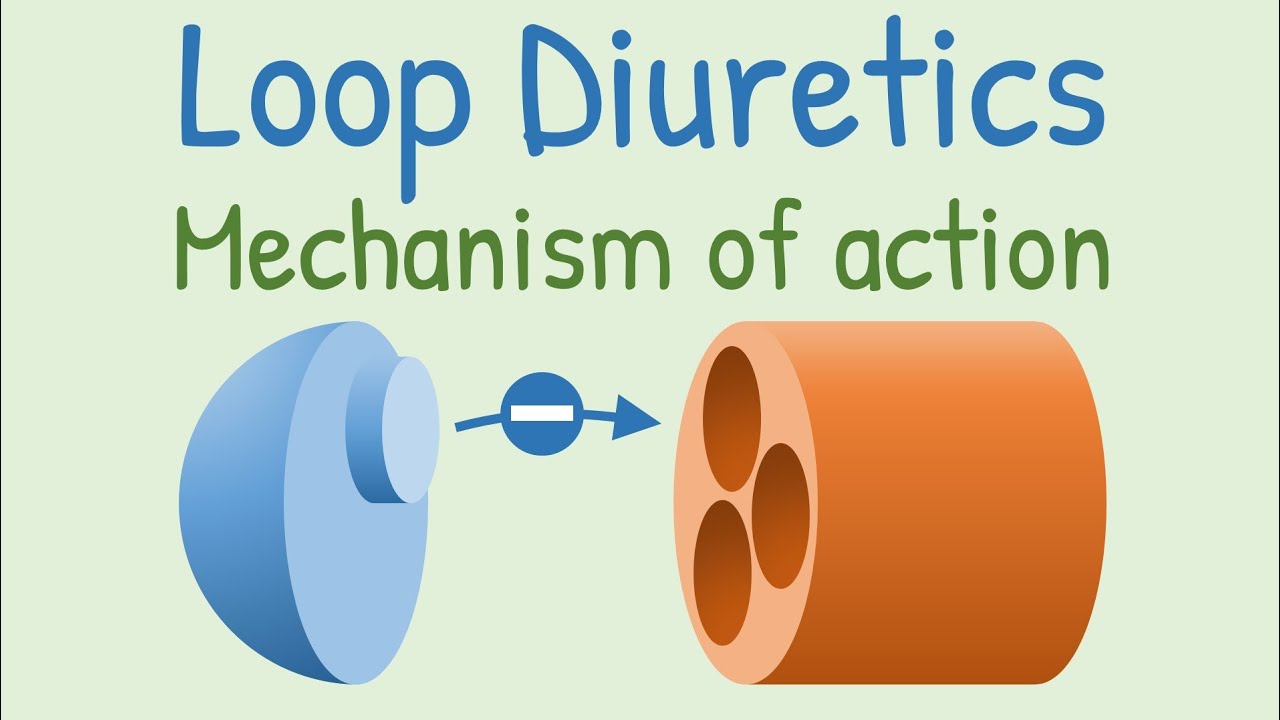
Loop diuretics are a class of medications primarily used to treat conditions that involve fluid retention, such as heart failure, liver cirrhosis, and certain kidney disorders. They are known for their potent diuretic effect, which means they help the body eliminate excess fluid by increasing urine production.
Mechanism of Action
Loop diuretics work by inhibiting the sodium-potassium-chloride cotransporter in the thick ascending limb of the loop of Henle, a part of the nephron in the kidneys. This inhibition prevents the reabsorption of sodium and chloride ions, leading to an increase in the excretion of these ions along with water. As a result, there is a significant increase in urine output, which helps reduce fluid overload in the body.
Common Loop Diuretics
Several loop diuretics are commonly used in clinical practice, including:
- Furosemide (Lasix): One of the most widely used loop diuretics, often prescribed for acute and chronic conditions involving fluid retention.
- Bumetanide (Bumex): Known for its high potency and rapid onset of action.
- Torsemide (Demadex): Offers a longer duration of action compared to furosemide.
- Ethacrynic Acid (Edecrin): Used in patients who are allergic to sulfonamide-based diuretics.
Clinical Uses
Loop diuretics are used to manage a variety of medical conditions, including:
- Heart Failure: To reduce symptoms of fluid overload, such as edema and shortness of breath.
- Hypertension: Although not the first-line treatment, they can be used in cases of resistant hypertension.
- Renal Impairment: To manage fluid retention in patients with chronic kidney disease.
- Liver Cirrhosis: To treat ascites and peripheral edema associated with liver dysfunction.
- Pulmonary Edema: In acute settings, loop diuretics can rapidly relieve fluid accumulation in the lungs.
Side Effects and Risks
While loop diuretics are effective, they can also cause several side effects, including:
- Electrolyte Imbalance: Hypokalemia (low potassium levels), hyponatremia (low sodium levels), and hypomagnesemia (low magnesium levels) are common.
- Dehydration: Excessive fluid loss can lead to dehydration, especially in elderly patients.
- Ototoxicity: High doses or rapid intravenous administration can cause hearing loss or tinnitus.
- Hypotension: A significant drop in blood pressure can occur, leading to dizziness or fainting.
- Hyperuricemia: Increased uric acid levels can exacerbate gout.
Considerations and Monitoring
When prescribing loop diuretics, healthcare providers must consider several factors to ensure patient safety and efficacy:
- Dosage Adjustment: Careful titration is necessary to balance fluid removal with the risk of dehydration and electrolyte imbalance.
- Monitoring: Regular monitoring of electrolytes, kidney function, and blood pressure is essential.
- Patient Education: Patients should be informed about the signs of electrolyte imbalance and dehydration, such as muscle cramps, weakness, and confusion.
- Drug Interactions: Loop diuretics can interact with other medications, such as nonsteroidal anti-inflammatory drugs (NSAIDs), which may reduce their effectiveness.
Treatment with loop diuretics affects bone turnover and decreases bone mineral density.