Diffuse large B-cell lymphoma
Return to Cancer Menu
Diffuse large B-cell lymphoma (DLBCL) is the most common type of non-Hodgkin lymphoma in the United States, accounting for about 1 out of every 3 lymphomas. DLBCL is fatal if left untreated, but with timely and appropriate treatment, approximately two-thirds of all people can be cured.
The first sign of DLBCL is often a quickly growing, non-painful mass that is typically an enlarged
lymph node in the neck, groin, or abdomen
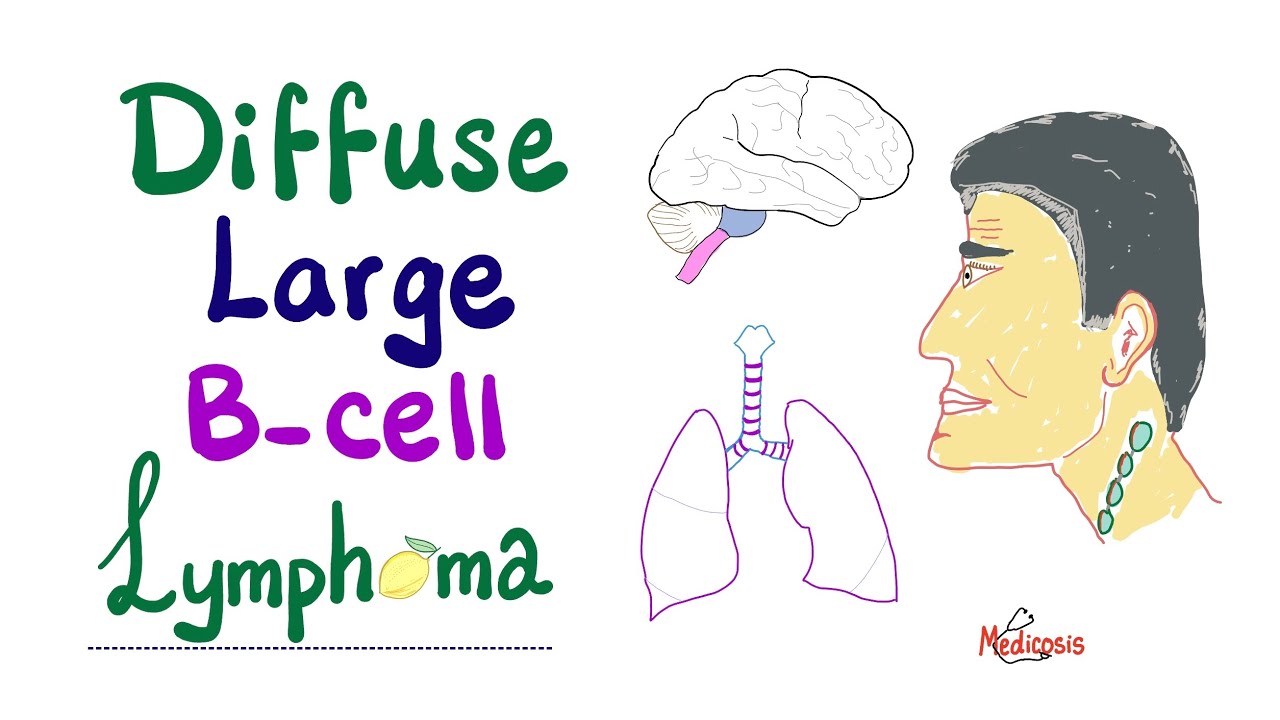
Diffuse large B-cell lymphoma (DLBCL) is a type of non-Hodgkin lymphoma (NHL) that originates in the B-cells, which are a type of white blood cell responsible for producing antibodies. This aggressive form of lymphoma is characterized by the rapid growth of large B-cells in the lymph nodes, spleen, liver, bone marrow, or other organs. DLBCL is the most common subtype of NHL, accounting for approximately 30-40% of all cases.
Pathophysiology
DLBCL arises from the malignant transformation of B-cells at various stages of differentiation. The exact cause of this transformation is not fully understood, but it involves genetic mutations and chromosomal abnormalities that lead to uncontrolled cell growth. These mutations can affect various genes involved in cell cycle regulation, apoptosis, and immune response.
The disease is classified into different subtypes based on gene expression profiles and molecular characteristics. The two main subtypes are:
- Germinal Center B-cell-like (GCB) DLBCL: Originates from B-cells in the germinal center of lymph nodes.
- Activated B-cell-like (ABC) DLBCL: Originates from B-cells that are in the process of differentiating into plasma cells.
Symptoms
DLBCL can present with a wide range of symptoms, which can vary depending on the location and extent of the disease. Common symptoms include:
- Painless swelling of lymph nodes in the neck, armpit, or groin.
- Fever, night sweats, and unexplained weight loss (B symptoms).
- Fatigue and weakness.
- Abdominal pain or swelling.
- Chest pain, coughing, or difficulty breathing if the lymphoma affects the chest area.
Diagnosis
The diagnosis of DLBCL involves a combination of clinical evaluation, imaging studies, and laboratory tests. Key diagnostic steps include:
- Physical Examination: Checking for swollen lymph nodes and other signs of lymphoma.
- Biopsy: A tissue sample from an affected lymph node or other site is examined under a microscope to identify malignant B-cells.
- Immunohistochemistry: Staining the biopsy sample with antibodies to detect specific proteins that are characteristic of DLBCL.
- Flow Cytometry: Analyzing the expression of cell surface markers on B-cells to confirm the diagnosis.
- Genetic Testing: Identifying genetic mutations and chromosomal abnormalities associated with DLBCL.
- Imaging Studies: CT scans, PET scans, and MRI to determine the extent and spread of the disease.
Treatment
The treatment of DLBCL typically involves a combination of chemotherapy, immunotherapy, and sometimes radiation therapy. The most common treatment regimen is R-CHOP, which includes:
- Rituximab: A monoclonal antibody that targets CD20 on B-cells.
- Cyclophosphamide: A chemotherapy drug that interferes with DNA replication.
- Doxorubicin: A chemotherapy drug that inhibits DNA synthesis.
- Vincristine: A chemotherapy drug that disrupts cell division.
- Prednisone: A corticosteroid that reduces inflammation and suppresses the immune system.
In some cases, high-dose chemotherapy followed by autologous stem cell transplantation may be considered, especially for patients with relapsed or refractory DLBCL. Targeted therapies and novel agents, such as CAR T-cell therapy, are also being explored in clinical trials.
Prognosis
The prognosis for patients with DLBCL varies based on several factors, including the stage of the disease, the patient's age and overall health, and the specific subtype of DLBCL. The International Prognostic Index (IPI) is commonly used to predict outcomes and guide treatment decisions. The IPI considers factors such as:
- Age
- Stage of the disease
- Serum lactate dehydrogenase (LDH) levels
- Performance status (ability to perform daily activities)
- Number of extranodal sites involved
With appropriate treatment, many patients with DLBCL can achieve remission. The 5-year survival rate for DLBCL is approximately 60-70%, but this can vary widely based on individual circumstances.
Articles/Studies
Spontaneous remission of primary breast diffuse large B-cell lymphoma.