Hip Replacement
Videos
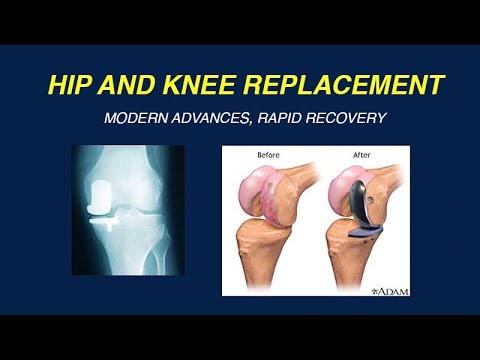
Advances in Hip and Knee Replacement and rapid recovery

Minimally Invasive Total Hip Replacement
Precautions and exercises after hip surgery

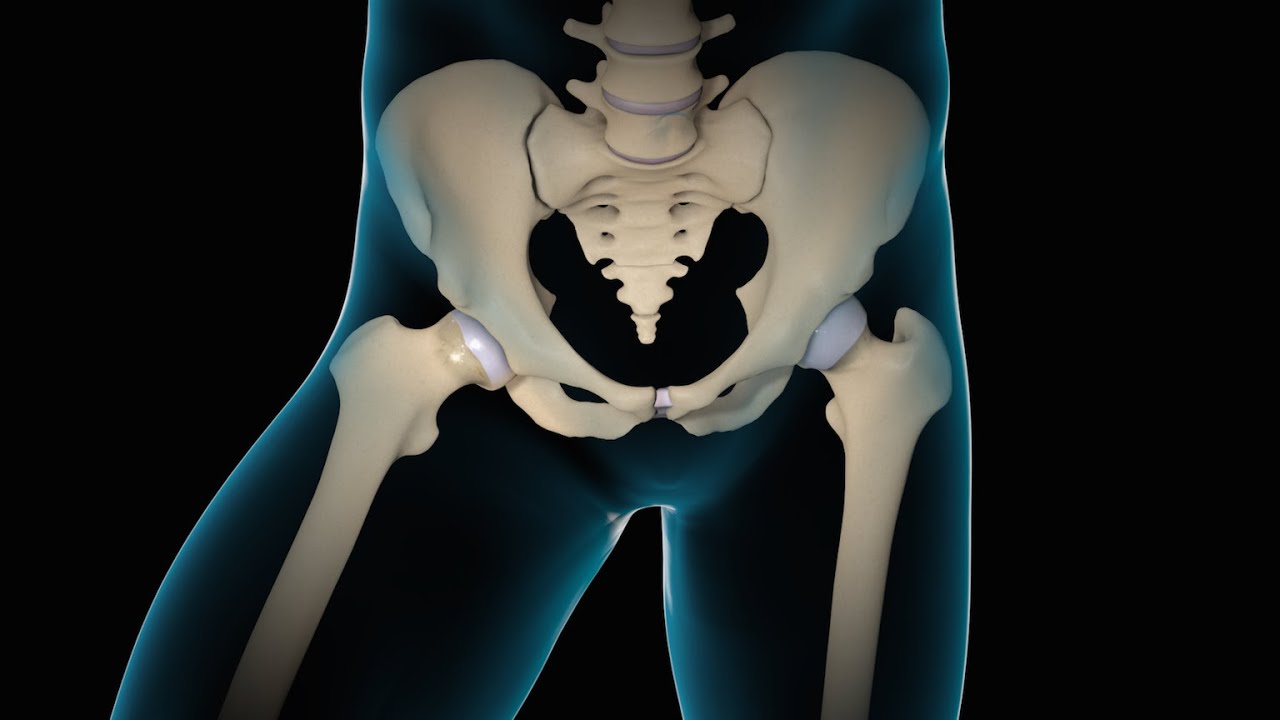
What is a Hip Replacement
Exploring hip replacements: Benefits, risks and longevity
Hip problems: when is hip replacement surgery required and who is it suitable for?
TOTAL HIP REPLACEMENT SURGERY : Why and when is it done?
Hip replacement: the latest advancements and what you can expect during surgery
Robot Assisted Hip Replacement Surgery

Hip replacement surgery, also known as hip arthroplasty, is a medical procedure designed to replace a damaged or worn-out hip joint with an artificial implant. This surgery is often recommended for individuals suffering from severe hip pain and mobility issues due to arthritis, fractures, or other degenerative conditions. The primary goal of hip replacement is to relieve pain, restore function, and improve the quality of life for patients.
Types of Hip Replacement
There are several types of hip replacement surgeries, each tailored to the specific needs of the patient:
- Total Hip Replacement (THR): This is the most common type of hip replacement, where both the acetabulum (hip socket) and the femoral head (thigh bone) are replaced with prosthetic components.
- Partial Hip Replacement (PHR): Also known as hemiarthroplasty, this procedure involves replacing only the femoral head. It is often performed in cases of hip fractures.
- Hip Resurfacing: In this procedure, the femoral head is not removed but rather trimmed and capped with a smooth metal covering. This option is generally recommended for younger, more active patients.
Indications for Hip Replacement
Hip replacement surgery is typically considered when other treatments, such as physical therapy, medications, and lifestyle modifications, have failed to alleviate symptoms. Common indications include:
- Severe osteoarthritis or rheumatoid arthritis
- Hip fractures or injuries
- Avascular necrosis (loss of blood supply to the hip joint)
- Developmental dysplasia of the hip
- Persistent pain and stiffness affecting daily activities
The Surgical Procedure
Hip replacement surgery is performed under general or regional anesthesia. The procedure generally involves the following steps:
- Incision: The surgeon makes an incision over the hip to access the joint.
- Removal of Damaged Bone and Cartilage: The damaged femoral head is removed, and the acetabulum is prepared to receive the prosthetic socket.
- Implantation of Prosthetic Components: The new socket is placed into the acetabulum, and a metal or ceramic ball is attached to a stem inserted into the femur.
- Closure: The incision is closed with sutures or staples, and a dressing is applied.
The entire procedure typically takes a few hours, and patients may need to stay in the hospital for a few days post-surgery.
Recovery and Rehabilitation
Recovery from hip replacement surgery involves a combination of rest, physical therapy, and gradual return to normal activities. Key aspects of the recovery process include:
- Pain Management: Medications are prescribed to manage postoperative pain and discomfort.
- Physical Therapy: A structured rehabilitation program is crucial for regaining strength, flexibility, and mobility. Patients are encouraged to start moving the joint soon after surgery.
- Lifestyle Modifications: Patients may need to make temporary or permanent changes to their daily routines to protect the new joint and ensure proper healing.
- Follow-up Care: Regular follow-up appointments with the surgeon are essential to monitor progress and address any complications.
Risks and Complications
As with any surgical procedure, hip replacement carries certain risks and potential complications, including:
- Infection at the surgical site
- Blood clots in the legs or lungs
- Dislocation of the new joint
- Wear and tear of the prosthetic components over time
- Nerve or blood vessel damage
Patients are advised to discuss these risks with their healthcare provider and follow all pre- and post-operative instructions to minimize complications.
Advances in Hip Replacement
Recent advancements in hip replacement technology and techniques have significantly improved outcomes for patients. Some notable developments include:
- Minimally Invasive Surgery: Smaller incisions and less tissue disruption lead to faster recovery times and reduced scarring.
- Robotic-Assisted Surgery: Precision tools and robotic systems enhance the accuracy of implant placement, improving joint function and longevity.
- Improved Prosthetic Materials: Modern implants are made from durable materials like titanium, ceramic, and highly cross-linked polyethylene, which offer better wear resistance and longevity.
Articles/Studies
The Hip Joint: Do you really need it replaced?
What is the Best Way to Treat Infected Hip Replacements? (https://www.sciencedaily.com/releases/2018/04/180405223416.htm)