Scottish Laburnum
Constituents
The leaves are cholagogue and purgative. The leaves have a similar effect to tobacco and have thus been used in treating nicotinism. The plant is very poisonous and should not be used internally without expert supervision.
Laburnum alpinum, commonly known as the Scotch Laburnum or Alpine Laburnum, is a deciduous tree that belongs to the Fabaceae family. This tree is renowned for its striking appearance, particularly during the flowering season when it produces cascading clusters of bright yellow flowers. Native to the mountainous regions of Central and Southern Europe, Laburnum alpinum has become a popular ornamental tree in gardens and parks around the world.
Botanical Characteristics
Appearance
Laburnum alpinum typically grows to a height of 5 to 7 meters (16 to 23 feet), although it can occasionally reach up to 10 meters (33 feet). The tree has a slender, upright form with smooth, greenish-brown bark. Its leaves are trifoliate, meaning they are composed of three leaflets, each of which is oval-shaped and dark green in color. The leaves provide a lush backdrop to the tree's most distinctive feature: its flowers.
Flowers
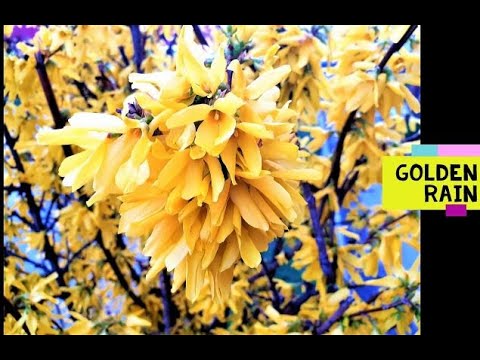
The flowers of Laburnum alpinum are its most celebrated attribute. Blooming in late spring to early summer, the tree produces long, pendulous racemes of bright yellow flowers. Each raceme can be up to 30 centimeters (12 inches) long, creating a stunning visual effect as they dangle from the branches. The flowers are not only visually appealing but also attract a variety of pollinators, including bees and butterflies.
Fruit
Following the flowering period, Laburnum alpinum produces seed pods that are slender and elongated, measuring up to 6 centimeters (2.4 inches) in length. These pods contain several seeds and turn from green to brown as they mature. It is important to note that all parts of the Laburnum alpinum, including the seeds, are toxic if ingested.
Cultivation and Care
Soil and Location
Laburnum alpinum thrives in well-drained soil and prefers a sunny location, although it can tolerate partial shade. It is adaptable to a range of soil types, including sandy, loamy, and clay soils, provided they are not waterlogged. The tree is also relatively drought-tolerant once established, making it a low-maintenance choice for gardeners.
Planting
When planting Laburnum alpinum, it is advisable to choose a location that allows for its full growth potential. The tree should be planted in a hole that is twice the width of its root ball and at the same depth. After planting, the soil should be firmly packed around the roots and watered thoroughly to help the tree establish itself.
Pruning
Pruning is generally not necessary for Laburnum alpinum, except to remove any dead or damaged branches. If pruning is required, it should be done in late winter or early spring before the new growth begins. This helps to maintain the tree's shape and encourages healthy growth.
Uses and Benefits
Ornamental Value
Laburnum alpinum is primarily grown for its ornamental value. Its striking yellow flowers make it a popular choice for gardens, parks, and public spaces. The tree can be used as a standalone specimen or planted in groups to create a dramatic effect. It is also suitable for training over arches and pergolas, where its cascading flowers can be showcased to their full potential.
Wildlife Attraction
The flowers of Laburnum alpinum are a valuable source of nectar for pollinators such as bees and butterflies. By planting this tree, gardeners can contribute to the support of local wildlife populations.
Caution: Toxicity
While Laburnum alpinum is a beautiful addition to any landscape, it is important to be aware of its toxicity. All parts of the tree, including the seeds, leaves, and bark, contain cytisine, a toxic alkaloid. Ingestion of any part of the tree can cause symptoms such as nausea, vomiting, and in severe cases, respiratory failure. Therefore, it is advisable to plant Laburnum alpinum away from areas frequented by children and pets.