Calendula, Growing
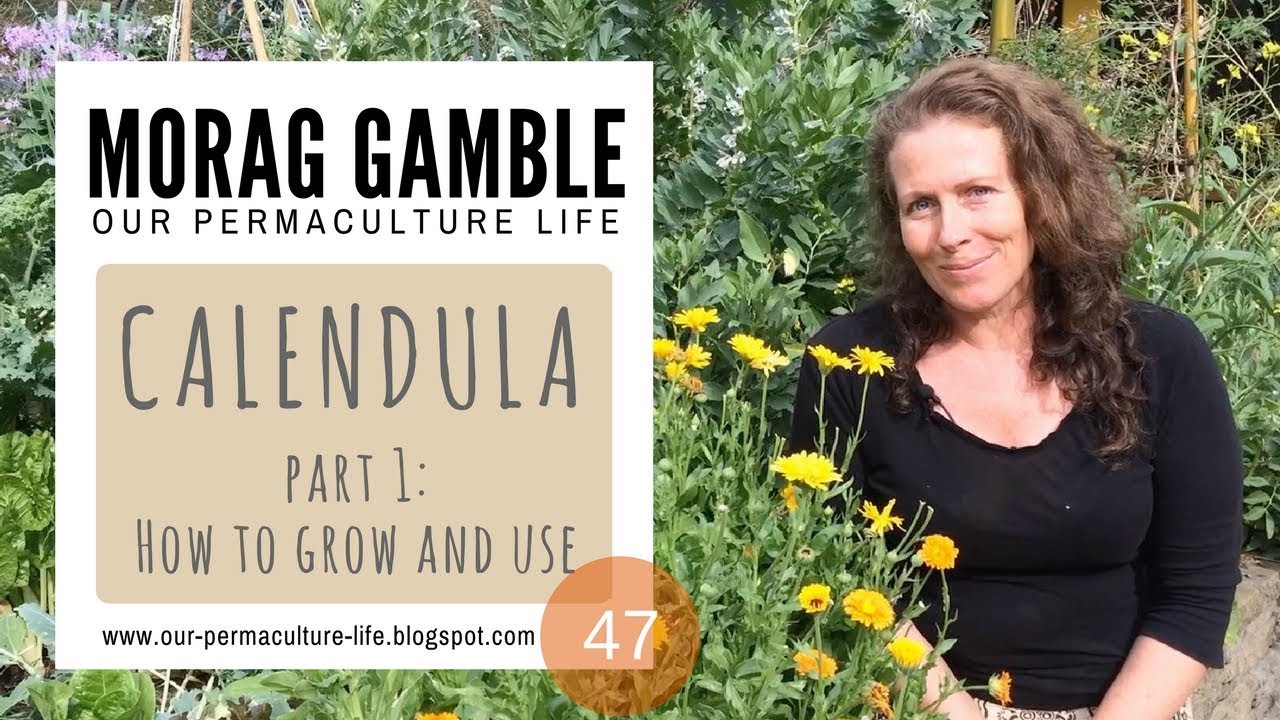
Calendula, commonly known as pot marigold, is a versatile and vibrant flowering plant that is cherished by gardeners for its bright blooms and numerous benefits.
Calendula (Calendula officinalis) is an annual or short-lived perennial plant that belongs to the Asteraceae family. It is native to Southern Europe but has become popular worldwide due to its ease of cultivation and wide range of uses. The flowers are typically bright yellow or orange and are known for their medicinal properties, culinary uses, and ornamental value.
Benefits of Growing Calendula
- Medicinal Uses: Calendula flowers have anti-inflammatory, antimicrobial, and healing properties. They are often used in herbal remedies, salves, and teas.
- Culinary Uses: The petals are edible and can be used to add color and flavor to salads, soups, and other dishes.
- Ornamental Value: With their bright and cheerful blooms, calendula plants can enhance the aesthetic appeal of any garden.
- Pollinator Attraction: Calendula flowers attract beneficial insects such as bees and butterflies, which can help with pollination in your garden.
Choosing the Right Location
Calendula thrives in full sun but can tolerate partial shade. When selecting a location for planting, consider the following:
- Sunlight: Aim for at least 6 hours of direct sunlight per day.
- Soil: Calendula prefers well-drained soil with a pH between 6.0 and 7.0. It can tolerate poor soil conditions but will perform best in fertile soil.
- Spacing: Space plants about 12 to 18 inches apart to allow for adequate air circulation and growth.
Planting Calendula
From Seeds
- Timing: Sow seeds directly in the garden after the last frost date in spring. Alternatively, you can start seeds indoors 6 to 8 weeks before the last frost.
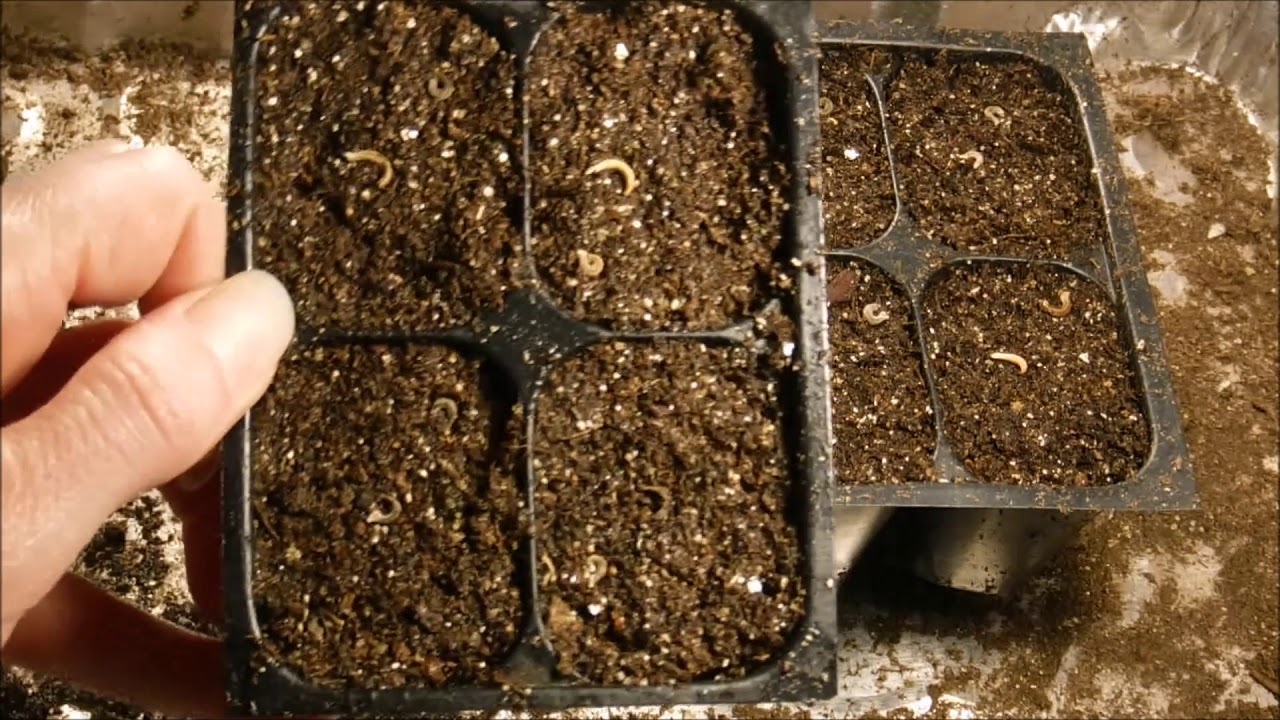
- Sowing: Plant seeds about 1/4 inch deep in the soil. Keep the soil consistently moist until germination, which typically occurs within 7 to 14 days.
- Thinning: Once seedlings have a few sets of true leaves, thin them to the recommended spacing.
From Transplants
- Preparation: Harden off transplants by gradually exposing them to outdoor conditions for a week before planting.
- Planting: Dig a hole slightly larger than the root ball and place the transplant in the hole. Backfill with soil and water thoroughly.
Care and Maintenance
- Watering: Calendula prefers moderate watering. Keep the soil consistently moist but not waterlogged. Water at the base of the plant to avoid wetting the foliage.
- Fertilizing: Calendula is not a heavy feeder. A light application of balanced fertilizer or compost at planting time is usually sufficient.
- Mulching: Apply a layer of mulch around the plants to help retain moisture and suppress weeds.
- Deadheading: Regularly remove spent flowers to encourage continuous blooming and prevent self-seeding.
- Pest and Disease Control: Calendula is relatively pest-resistant but can be susceptible to aphids and powdery mildew. Use insecticidal soap for aphids and ensure good air circulation to prevent mildew.
Harvesting and Uses
Harvesting Flowers
- Timing: Harvest flowers in the morning after the dew has dried but before the heat of the day.
- Method: Use sharp scissors or pruners to cut the flowers just above a set of leaves.
Uses
- Medicinal: Dry the flowers and use them to make teas, tinctures, or infused oils.
- Culinary: Fresh petals can be added to salads, soups, and baked goods.
- Ornamental: Use fresh or dried flowers in floral arrangements and crafts.