NMDA receptor antagonists
For natural alternatives see Natural NMDA receptor antagonists
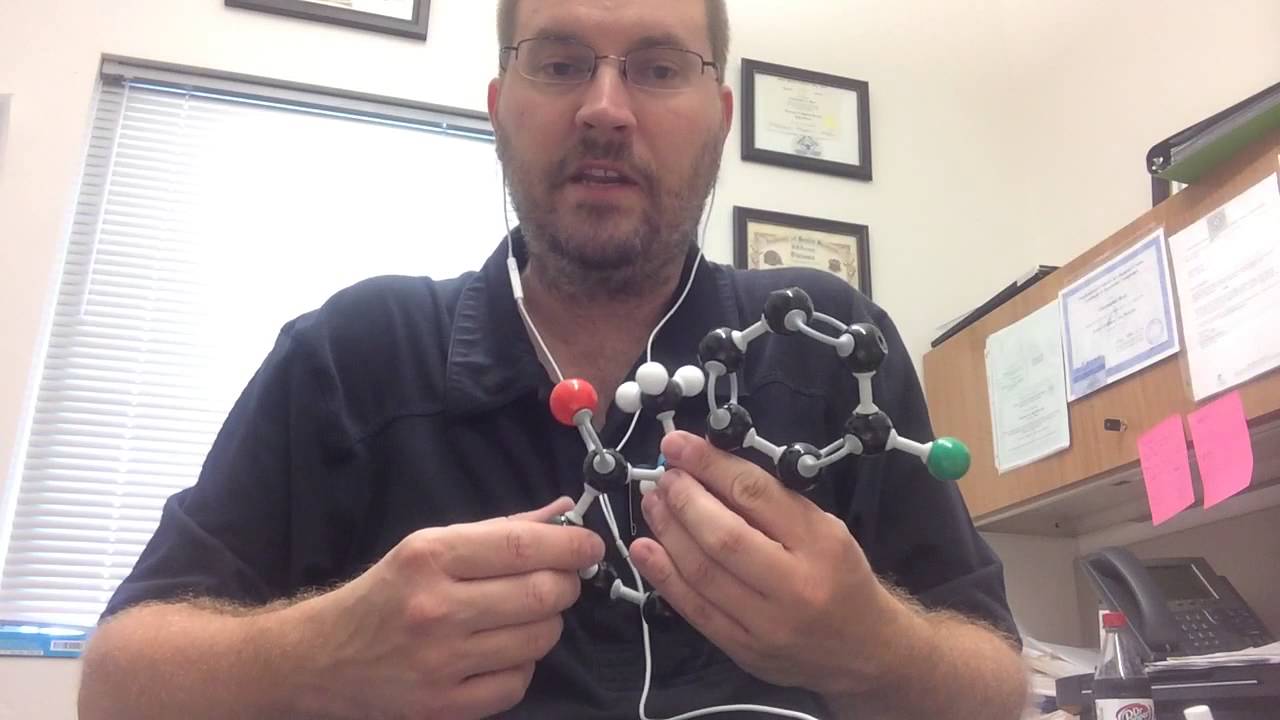
NMDA receptor antagonists are a class of drugs that inhibit the action of the N-methyl-D-aspartate receptor (NMDAR), a subtype of glutamate receptor in the brain. These receptors play a crucial role in synaptic plasticity, memory function, and neurodevelopment. By blocking these receptors, NMDA receptor antagonists can modulate neural activity and have therapeutic applications in various neurological and psychiatric disorders.
Mechanism of Action
The NMDA receptor is a ligand-gated ion channel that allows the flow of calcium (Ca²⁺), sodium (Na⁺), and potassium (K⁺) ions across the cell membrane. It is activated by the neurotransmitter glutamate, in conjunction with glycine or D-serine as a co-agonist. NMDA receptor antagonists work by binding to the receptor and preventing the influx of ions, thereby reducing excitatory neurotransmission. This can help in conditions where excessive glutamate activity leads to neuronal damage, such as in excitotoxicity.
Types of NMDA Receptor Antagonists
NMDA receptor antagonists can be classified based on their binding sites and mechanisms:
- Competitive Antagonists: These drugs compete with glutamate for the binding site on the NMDA receptor. Examples include APV (2-amino-5-phosphonovaleric acid).
- Non-Competitive Antagonists: These drugs bind to a different site on the receptor and inhibit its function without competing with glutamate. Ketamine and memantine are well-known non-competitive antagonists.
- Uncompetitive Antagonists: Also known as channel blockers, these drugs bind to the ion channel of the receptor when it is open, blocking ion flow. Examples include phencyclidine (PCP) and MK-801.
- Partial Agonists: These drugs partially activate the receptor, providing a balance between inhibition and activation. D-cycloserine is an example of a partial agonist.
Therapeutic Applications
NMDA receptor antagonists have been explored for their potential in treating a variety of conditions:
- Neurodegenerative Diseases: Memantine is used in the treatment of Alzheimer's disease to help manage symptoms by reducing excitotoxicity.
- Depression: Ketamine has gained attention for its rapid-acting antidepressant effects, particularly in treatment-resistant depression.
- Chronic Pain: NMDA receptor antagonists can be used to manage chronic pain conditions by modulating pain pathways.
- Epilepsy: Some NMDA receptor antagonists are being investigated for their potential to reduce seizure activity.
- Schizophrenia: While NMDA receptor dysfunction is implicated in schizophrenia, the use of antagonists is complex and requires further research.
Side Effects and Risks
While NMDA receptor antagonists offer therapeutic benefits, they also come with potential side effects and risks:
- Cognitive Impairment: Blocking NMDA receptors can lead to memory and learning deficits, as these receptors are crucial for synaptic plasticity.
- Psychotomimetic Effects: Drugs like ketamine and PCP can induce hallucinations and dissociative states, limiting their use.
- Neurotoxicity: Prolonged use of some NMDA receptor antagonists can lead to neurotoxic effects, although this is more common with high doses.
- Addiction Potential: Some NMDA receptor antagonists, particularly those with dissociative properties, have a potential for abuse and addiction.
Research and Future Directions
Research into NMDA receptor antagonists continues to evolve, with ongoing studies exploring their mechanisms and potential new applications. Some areas of interest include:
- Novel Antagonists: Development of new compounds with improved safety profiles and fewer side effects.
- Combination Therapies: Investigating the use of NMDA receptor antagonists in combination with other treatments to enhance efficacy and reduce side effects.
- Biomarker Identification: Identifying biomarkers to predict patient response and tailor treatments more effectively.
- Understanding Mechanisms: Further elucidating the role of NMDA receptors in various diseases to refine therapeutic strategies.