Apple Cider
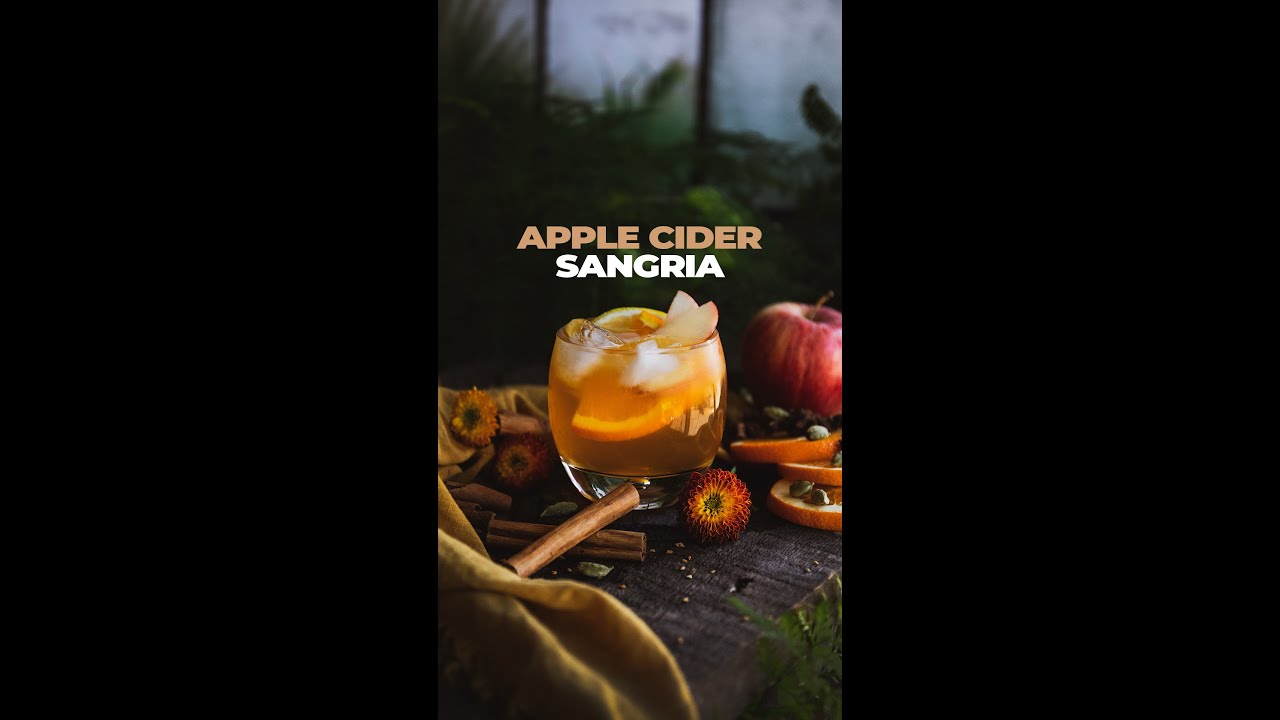
Fermented apple cider is one of the most satisfying DIY ferments—simple, seasonal, and endlessly customizable. Whether you’re using fresh-pressed juice, wild apples, or store-bought cider, the process transforms natural sugars into a crisp, tangy, and effervescent drink. Here’s a step-by-step guide with expert video support to help you master it.
🍎🧪 How to Make Fermented Apple Cider (Hard Cider)
🧂 Ingredients:
- Fresh apple juice or cider (unpasteurized preferred)
- Optional: sugar or honey (to boost alcohol)
- Yeast: wild (from apples) or commercial (e.g., champagne, cider, or ale yeast)
- Optional: spices (cinnamon, cloves), herbs, or fruit for flavoring
🧰 Equipment:
- 1-gallon glass carboy or fermenter
- Airlock + stopper
- Funnel, strainer, and siphon
- Sanitizer (crucial for all tools)
🔬 Step-by-Step Process:
1. Prep Your Juice
Use fresh-pressed apple juice or cider. If using store-bought, ensure it’s preservative-free.
→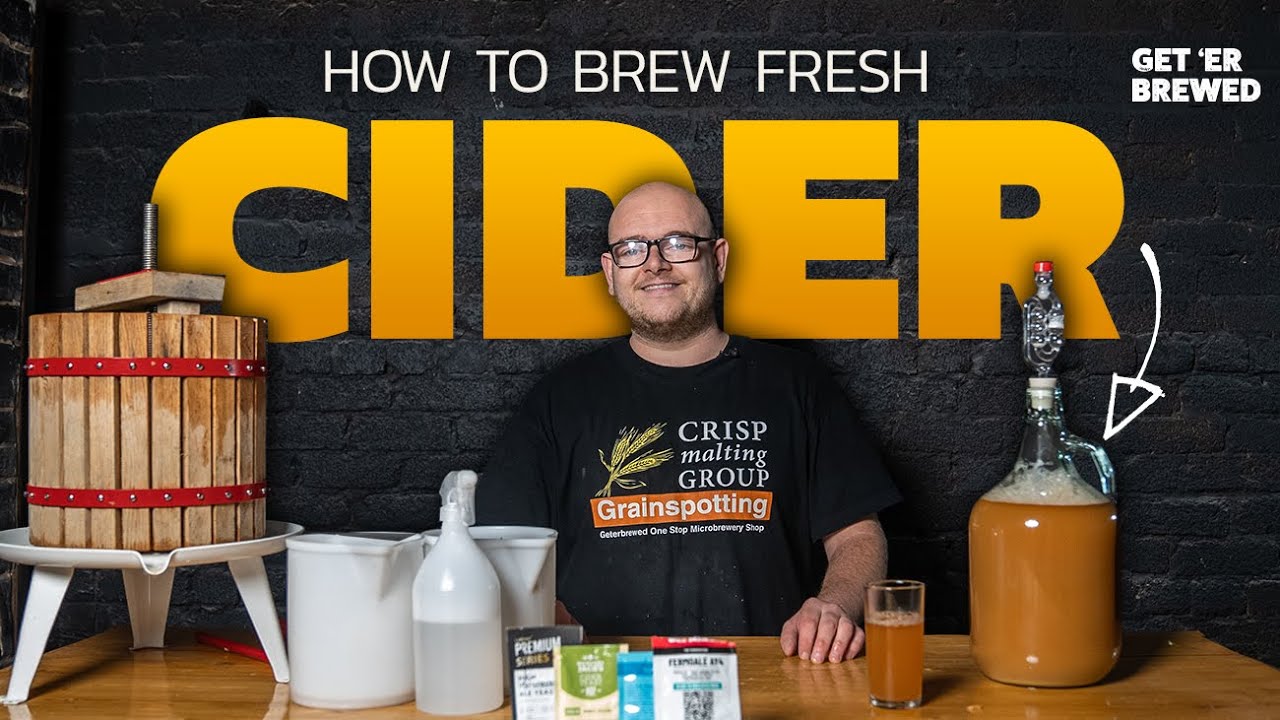 walks you through juicing, pulping, and prepping apples from scratch.
2. Choose Your Fermentation Style
- Wild Fermentation: Let natural yeasts on the apples do the work.
→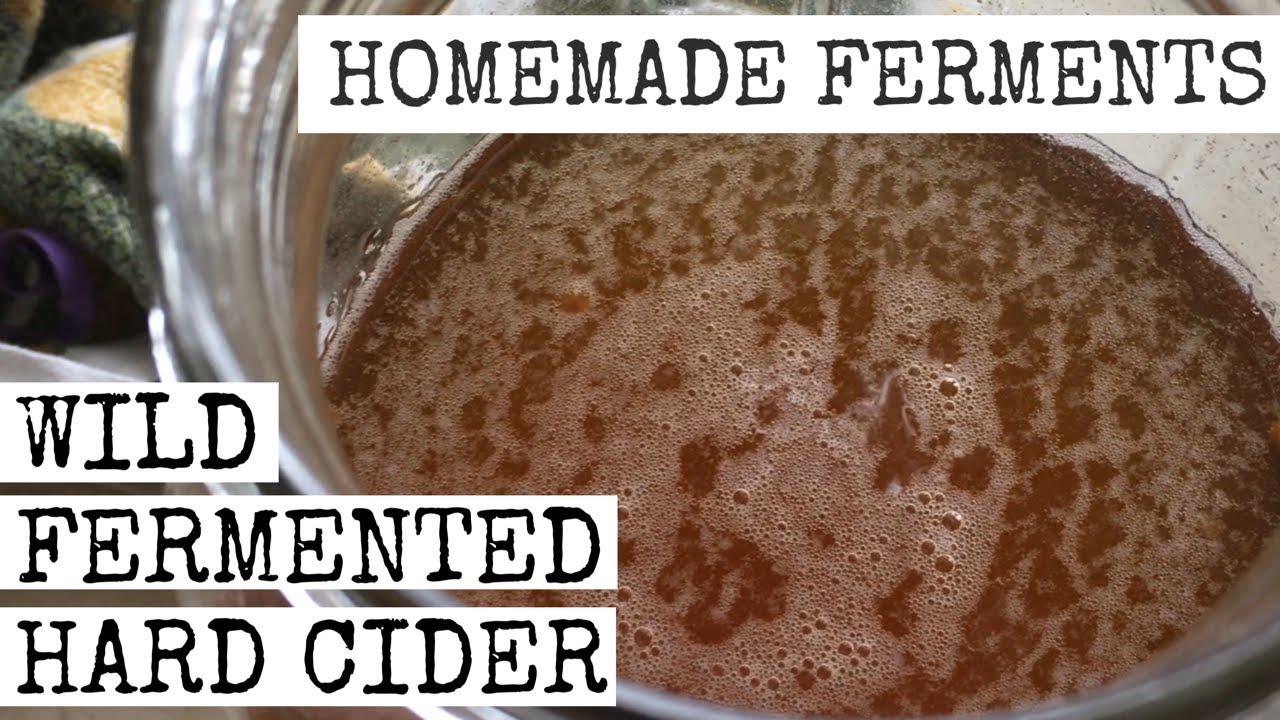 shows how to ferment without added yeast, using just apples and time.
- Controlled Fermentation: Add commercial yeast for consistency.
→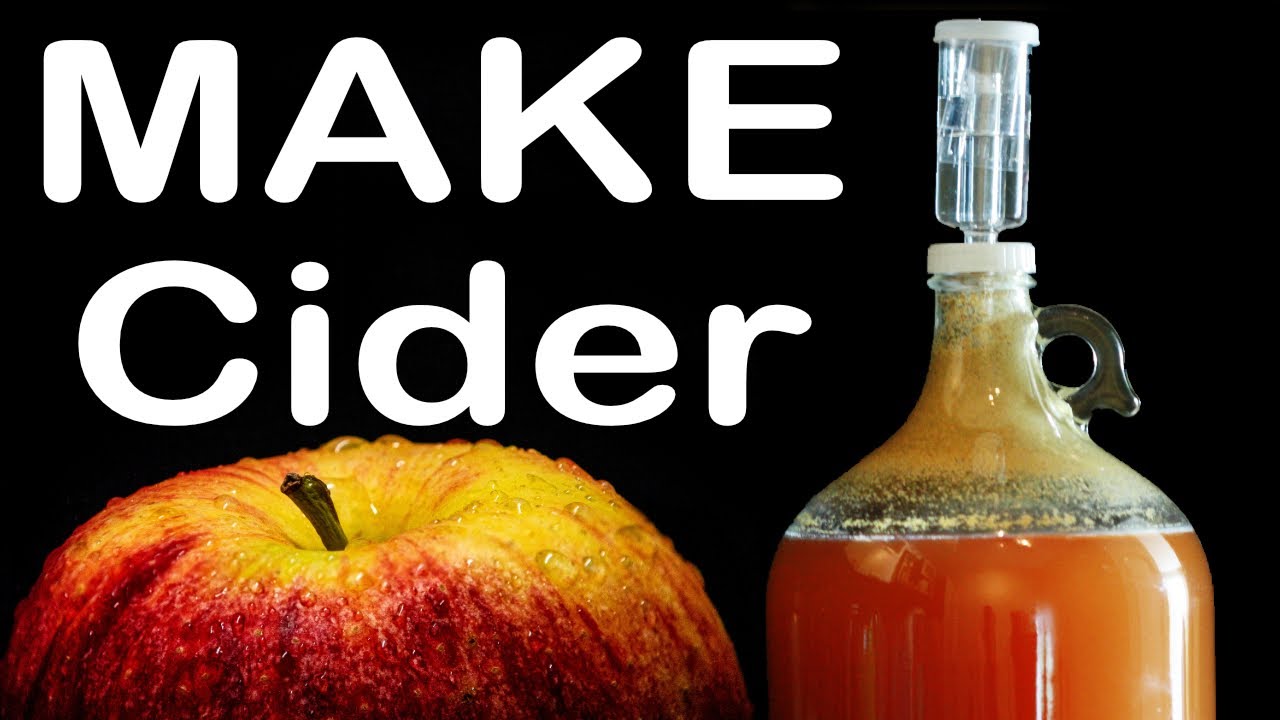 demonstrates how to add yeast, monitor fermentation, and bottle safely.
3. Ferment
- Pour juice into sanitized fermenter.
- Add yeast (if using).
- Seal with airlock.
- Ferment at room temp (60–75°F) for 1–3 weeks.
→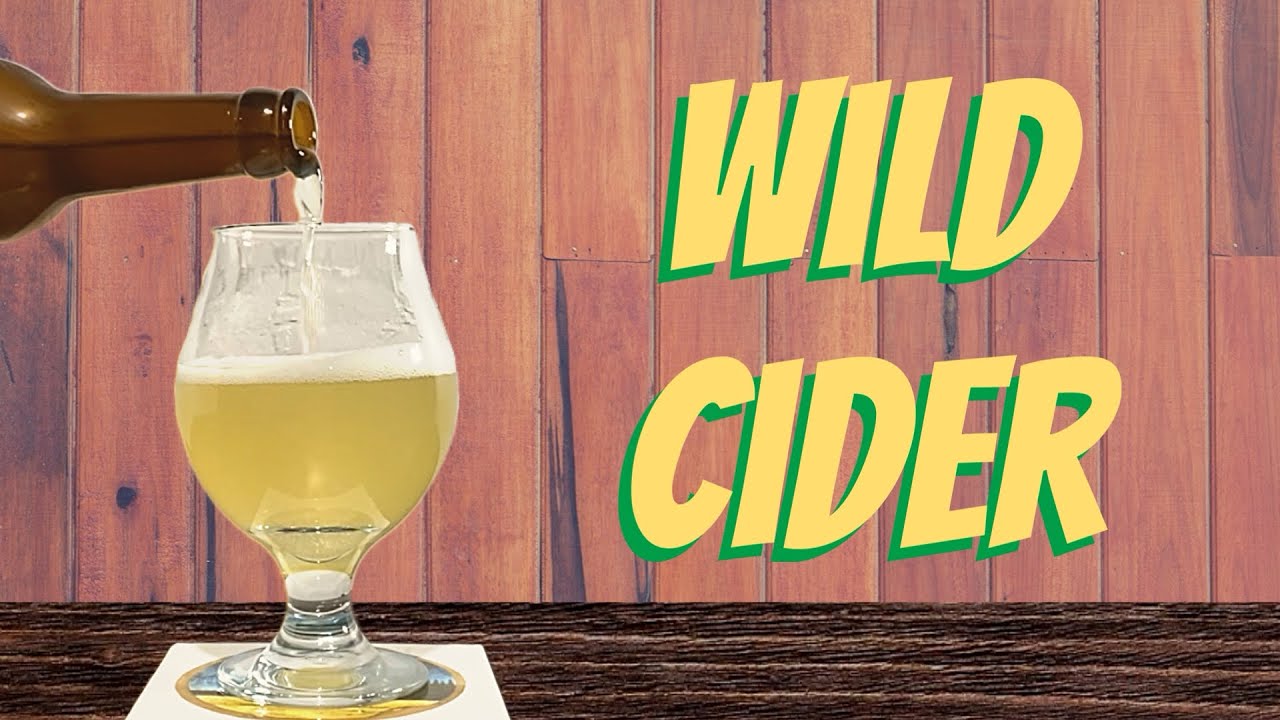 offers a beginner-friendly walkthrough with no added yeast.
4. Monitor & Rack
- Watch for bubbling and sediment.
- Taste after 7–10 days.
- Siphon off sediment into clean bottles.
→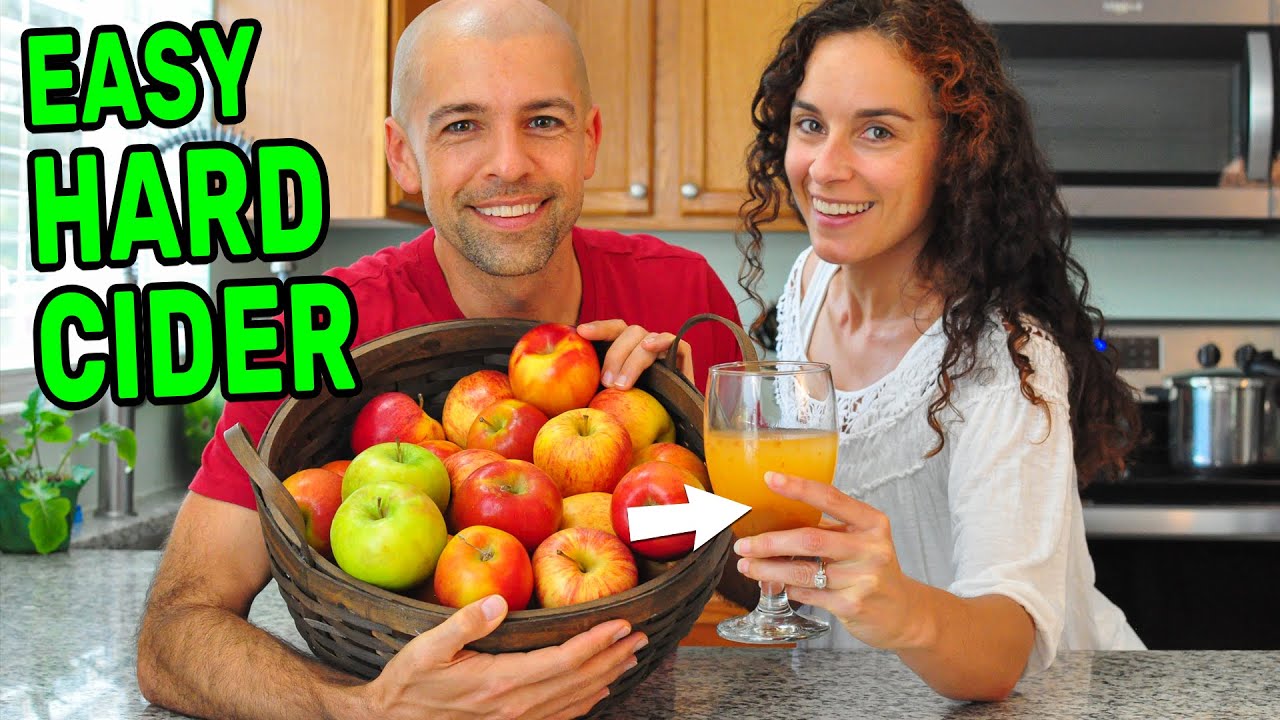 explains how to check alcohol levels, bottle, and carbonate.
5. Bottle & Age
- Add priming sugar for sparkle (optional).
- Seal bottles and age 2–4 weeks.
- Chill and enjoy!
🍏 Bonus: Vinegar Option
If you let cider ferment longer or expose it to air, it can turn into vinegar.
→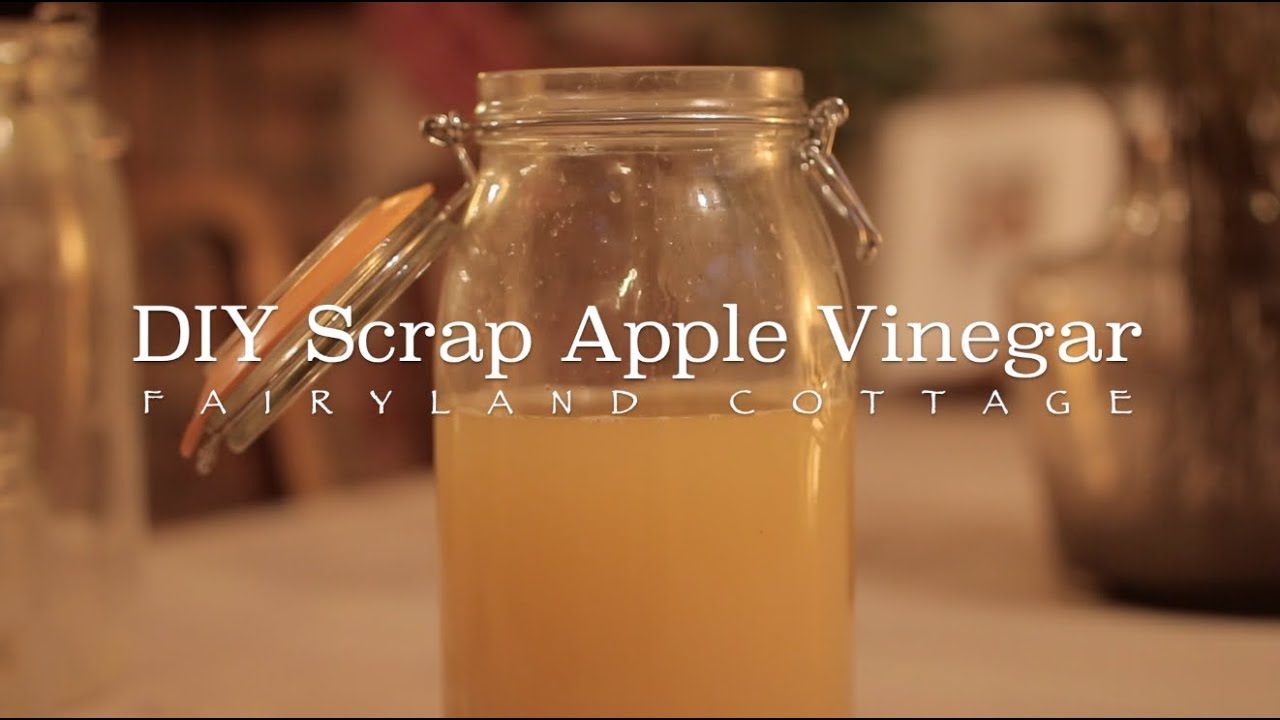 shows how to make apple vinegar from scraps—great for zero-waste kitchens.