PhIP
Videos
PhIP: The Three Strikes Breast Carcinogen
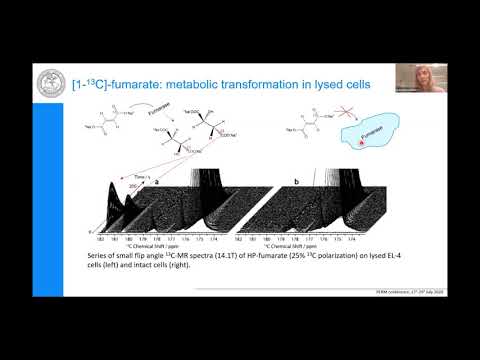
Bio-translation and clinical translation of PHIP in cells and in vivo
PhIP, or 2-Amino-1-methyl-6-phenylimidazo(4,5-b)pyridine, is a compound that has garnered significant attention in the fields of chemistry and health sciences. It is one of the heterocyclic amines (HCAs) formed during the cooking of meat and fish at high temperatures.
FORMATION OF PHIP
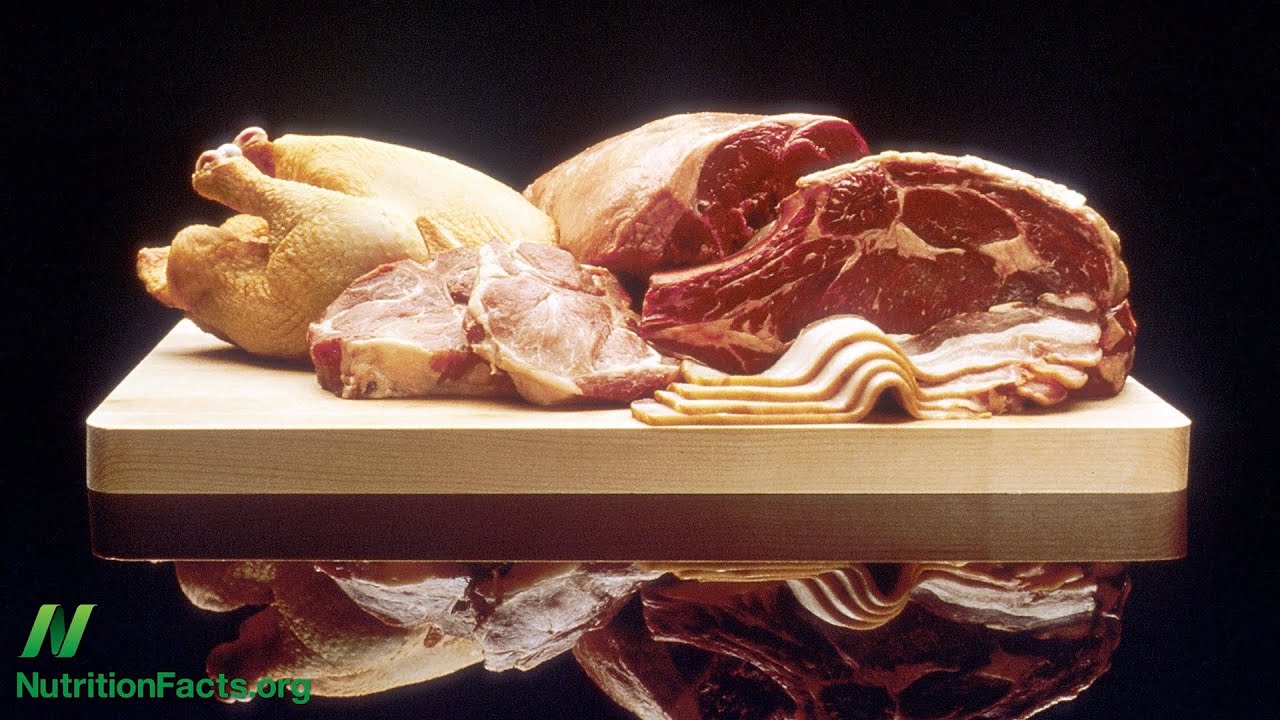
PhIP is primarily formed when muscle meats, such as beef, pork, poultry, and fish, are cooked using high-temperature methods like frying, grilling, or barbecuing. The formation of PhIP is a result of the Maillard reaction, which occurs between amino acids and creatine or creatinine in the meat. The specific conditions that favor the formation of PhIP include:
- High cooking temperatures (above 300°F or 150°C)
- Prolonged cooking times
- The presence of certain amino acids and creatine
Health Implications
PhIP is classified as a possible human carcinogen by the International Agency for Research on Cancer (IARC). This classification is based on evidence from animal studies and limited evidence from human studies. The primary health concerns associated with PhIP include:
Carcinogenic Potential
- Animal Studies: Research has shown that PhIP can induce tumors in various organs, including the colon, prostate, and mammary glands, in rodents.
- Human Studies: Epidemiological studies suggest a correlation between high consumption of well-done, fried, or barbecued meats and an increased risk of certain cancers, such as colorectal, prostate, and breast cancer.
Genetic and Cellular Effects
PhIP is known to cause DNA damage, which can lead to mutations and cancer development. It acts as a genotoxic agent, meaning it can directly damage the genetic material within cells. This damage can result in:
- DNA adduct formation
- Chromosomal aberrations
- Mutagenic effects
Mitigation Strategies
Given the potential health risks associated with PhIP, it is important to consider strategies to reduce its formation and exposure. Some effective measures include:
- Cooking Methods: Opt for cooking methods that use lower temperatures, such as boiling, steaming, or microwaving, to minimize PhIP formation.
- Marination: Marinating meat before cooking can significantly reduce the formation of PhIP. Ingredients like vinegar, lemon juice, and herbs have been shown to be effective.
- Cooking Time: Reducing cooking time and avoiding charring can help decrease PhIP levels.
- Meat Selection: Choosing leaner cuts of meat can reduce the amount of PhIP formed, as fat content can influence the cooking temperature and time.
- Dietary Balance: Incorporating a variety of foods, including fruits and vegetables, can help mitigate the potential risks associated with PhIP by providing antioxidants and other protective compounds.
Research and Future Directions
Ongoing research is focused on better understanding the mechanisms by which PhIP exerts its carcinogenic effects and identifying additional strategies to reduce exposure. Some areas of interest include:
- Biomarkers: Developing biomarkers to assess PhIP exposure and its biological effects in humans.
- Dietary Interventions: Investigating the role of dietary components, such as antioxidants, in counteracting the effects of PhIP.
- Public Health Guidelines: Formulating guidelines to inform the public about safe cooking practices and dietary choices to minimize PhIP exposure.
Effect of sugarcane molasses extract on the formation of (PhIP) in a model system
PhIP values for cooked meat| Meat type | Cooking variation | PhIP ng/g ± SD |
| Beef (1.5 cm thick) | Fried - medium rare (51 °C) | 0.29 ± 0.14 |
|---|---|---|
| Fried - well-done (63 °C) | 0.73 ± 0.02 | 0.73 ± 0.02 |
| Fried - very well-done (74 °C) | 7.33 ± 0.11 | 7.33 ± 0.11 |
| Lamb chop | Fried - medium (75 °C) | 0 |
| Fried - well-done (85 °C) | 2.4 | 2.4 |
| Pork (2 cm thick) | Fried - medium (63 °C) | 0.37 ± 0.06 |
| Fried - well-done (83 °C) | 7.82 ± 1.13 | 7.82 ± 1.13 |
| Mince beef patty (2 cm thick) | Fried - medium (51 °C) | 0 |
| Fried - well-done (58 °C) | 3.96 ± 0.13 | 3.96 ± 0.13 |
| Chicken (2.5 cm, no skin) | Fried - lightly browned (63 °C) | 0.2 ± 0.005 |
| Fried - well-done (79 °C) | 17.54 ± 0.17 | 17.54 ± 0.17 |
| Sausage | Fried - lightly browned (42 °C) | 0 |
| Fried - well browned (70 °C) | 0.61 ± 0.06 | 0.61 ± 0.06 |
| Bacon, middle | Fried - lightly cooked | 0.11 ± 0.002 |
| Fried - well cooked | 1.93 ± 0.37 | 1.93 ± 0.37 |