Thunberg's geranium
Constituents:
Constituents of Geranium thunbergii SIEB. et ZUCC. IV. Ellagitannins. (2). Structure of Geraniin
CHARACTERISTICS
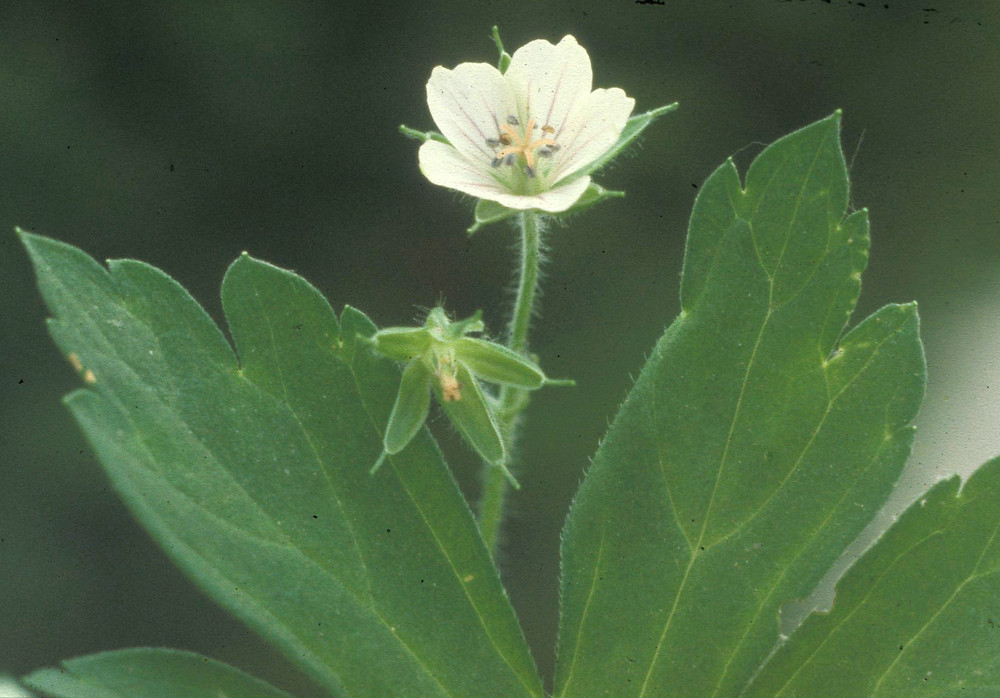
Geranium thunbergii is a herbaceous perennial that typically grows to a height of around 12-18 inches. It features deeply lobed, palmate leaves that are often tinged with red or bronze, adding to its ornamental appeal. The flowers of Geranium thunbergii are a sight to behold, with delicate petals in shades of pink, lavender, or white. These blooms appear in clusters atop slender stems, creating a charming display in gardens and landscapes.
One of the standout features of Geranium thunbergii is its long blooming period, which typically extends from late spring to early fall. This extended flowering season makes it a popular choice for gardeners looking to add color and interest to their outdoor spaces throughout the growing season. Additionally, Geranium thunbergii is known for its ability to attract pollinators such as bees and butterflies, making it a valuable plant for supporting local ecosystems.
Cultivation and Care
Geranium thunbergii is relatively easy to grow and maintain, making it a favorite among both novice and experienced gardeners. When it comes to cultivation, this plant thrives in well-drained soil and prefers a location with full to partial sun. Adequate sunlight is essential for promoting healthy growth and abundant flowering in Geranium thunbergii.
In terms of care, Geranium thunbergii benefits from regular watering, especially during dry periods. However, it is important to avoid overwatering, as this can lead to root rot and other issues. Applying a layer of mulch around the base of the plant can help retain moisture and suppress weeds, contributing to the overall health of Geranium thunbergii.
Pruning is another important aspect of Geranium thunbergii care, as it helps maintain a tidy appearance and encourages continuous blooming. Deadheading spent flowers can prolong the flowering season and prevent the plant from expending energy on seed production. Additionally, dividing mature clumps of Geranium thunbergii every few years can help rejuvenate the plant and promote vigorous growth.
Significance in Horticulture
Geranium thunbergii holds a special place in the world of horticulture due to its aesthetic qualities, ease of cultivation, and ecological value. As a versatile perennial plant, it can be used in a variety of garden settings, including borders, rock gardens, and containers. The charming flowers of Geranium thunbergii add a touch of elegance to any landscape and can be combined with other plants to create visually appealing compositions.
Beyond its ornamental value, Geranium thunbergii plays a role in supporting biodiversity by attracting pollinators and beneficial insects to the garden. By providing a food source and habitat for these creatures, Geranium thunbergii contributes to the overall health of the ecosystem and promotes a balanced environment.
Articles/Studies
INHIBITORY EFFECT OF TANNINS ON DIRECT-ACTING MUTAGENS
DEHYDROGERANIIN, FUROSININ AND FUROSIN, DEHYDROELLAGITANNINS FROM GERANIUM THUNBERGII
ELAEOCARPUSIN, A PROTO-TYPE OF GERANIIN FROM GERANIUM THUNBERGII