Khat
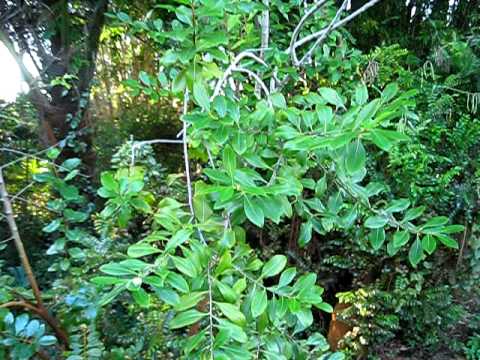
Videos
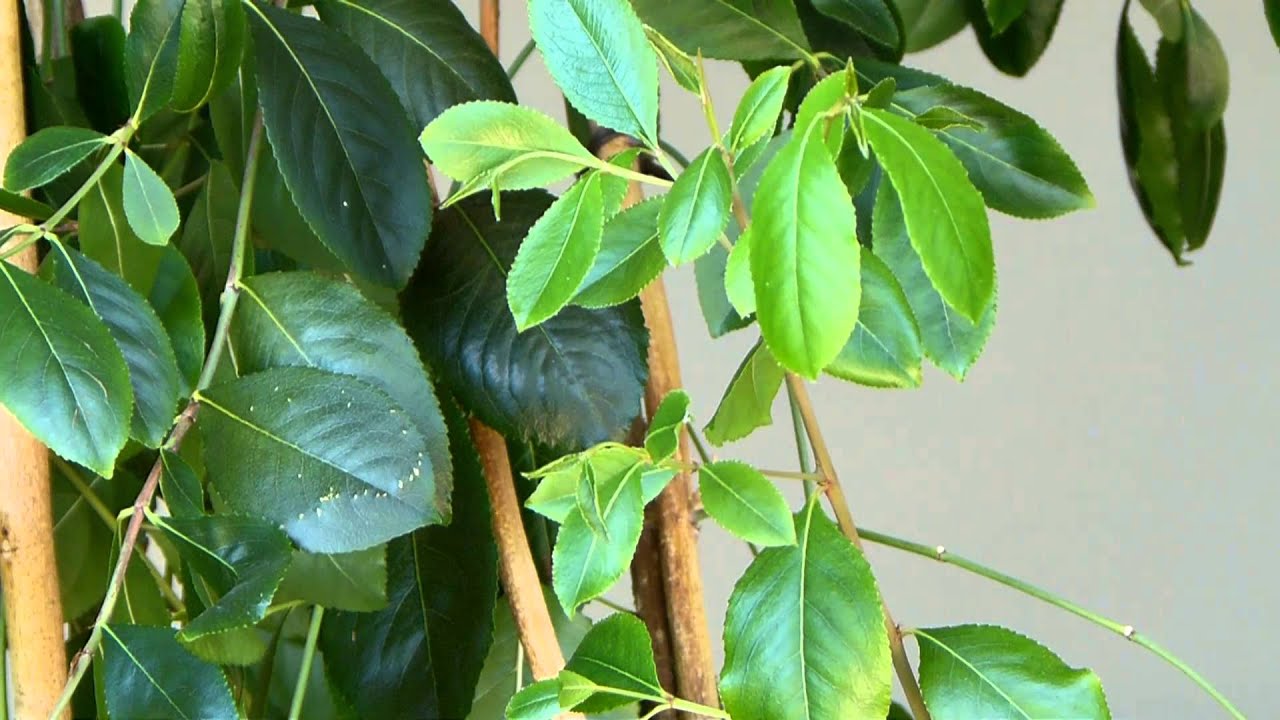
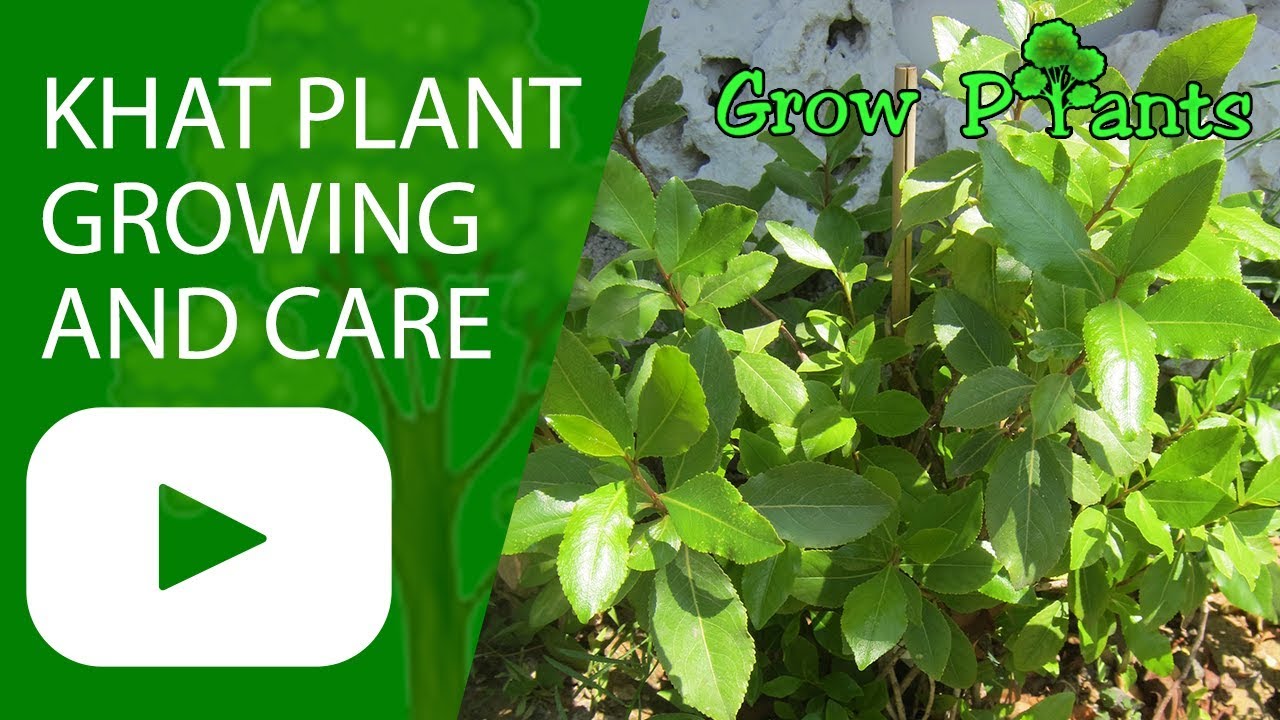
Overview
Khat is an evergreen shrub or small tree in the family Celastraceae, traditionally cultivated and consumed in parts of East Africa and the Arabian Peninsula. The psychoactive material is concentrated primarily in the fresh young leaves and shoot tips. Its effects are chiefly associated with the alkaloid cathinone, whose concentration declines as leaves mature and during drying.
Medicinal parts: primarily the leaves and young shoots.
Traditional use and cultural context
For centuries, khat leaves have been chewed in social and cultural settings to promote conversation, wakefulness, perceived energy, and appetite suppression. Leaves may also be prepared as an infusion or paste. Traditional reports describe use for headache, digestive complaints, cough, asthma, fever, depression, gonorrhea, and as an aphrodisiac; however, these historical uses should not be interpreted as evidence of clinical efficacy.
Contemporary medicinal use is generally regarded as obsolete, and khat is regulated or prohibited in many jurisdictions. Legal status varies by country and should be checked locally.
Constituents
- Phenylalkylamines (approximately 0.3–0.9%): cathinone, the principal stimulant in fresh young leaves; cathine (norpseudoephedrine); norephedrine; merucathinone; pseudomerucathinone; and formyl norephedrine. Cathinone can convert to less potent compounds during drying.
- Sesquiterpene polyester alkaloids: cathaedulins K1–K15.
- Catechin tannins.
- Volatile oil.
Pharmacological effects
Cathinone has a centrally stimulating, indirectly sympathomimetic action broadly resembling that of amphetamine. Reported acute effects may include increased alertness, talkativeness, elevated mood, reduced appetite, increased motor activity, and reduced perceived need for sleep. Tannins may contribute to constipation and gastrointestinal discomfort. Laboratory and preliminary research also describe ulcer-protective and insecticidal properties, but these findings do not establish safe or effective human treatment.
Traditional and reported uses
Medicinal use of Khat preparations is obsolete today.
It has been used for centuries in Islamic culture to improve communicative abilities, performance and to suppress fellings of hunger. The leaves can be chewed or administered as an infusion (Yemen) or paste (Ethiopia/Somalia). Khat leaves are said to have an aphrodisiac effect and are used for depression, headache, gonorrhea, gastric complaints, coughs, asthma and fever.
Safety and cautions
Khat is not a benign medicinal herb. The following risks have been reported, particularly with frequent or heavy use:
- Acute stimulant effects: agitation, anxiety, insomnia, increased heart rate and blood pressure, dilated pupils, increased motor activity, muscle tension, and elevated body temperature.
- After-effects: low mood, irritability, anxiety, fatigue, and sleep disruption as stimulant effects wear off.
- Metabolic and gastrointestinal effects: appetite suppression, weight loss, constipation, digestive discomfort, and possible increases in blood glucose—of particular concern for people with diabetes.
- Chronic-use concerns: dependence or problematic use, persistent sleep and mood disturbance, oral and gastrointestinal problems, and reported associations with liver and kidney injury. Associations with psychiatric symptoms have also been reported; causality and individual risk may vary.
- Potential cardiovascular risk: sympathomimetic stimulation may be hazardous for people with hypertension, heart disease, arrhythmias, or stroke risk.
Avoid combining khat with other stimulants, sympathomimetic medicines, or substances that can raise blood pressure or heart rate. Anyone experiencing chest pain, severe agitation, overheating, hallucinations, jaundice, or markedly reduced urine output should seek urgent medical care. People who are pregnant, have cardiovascular or psychiatric conditions, diabetes, liver or kidney disease, or take prescription medicines should consult a qualified clinician before exposure.
Evidence note
Historical use and laboratory findings are not equivalent to proof of therapeutic benefit. Human evidence for treating depression, asthma, gastrointestinal disease, infection, or other conditions remains insufficient, while safety concerns are substantial.
References
Educational information only; not medical advice. Khat may be illegal where you live.