DMT -Dimethyltryptamine
See also: 5-MeO-DMT
The only risk with DMT is death by astonishment. - Terence McKenna
Book: Death By Astonishment
DMT Dimethyltryptamine Before & After
Brain Scientist: New DMT Study Finds Evidence of Parallel Dimension

The Bio-Chemical Portal Sending Humans to Alien Worlds
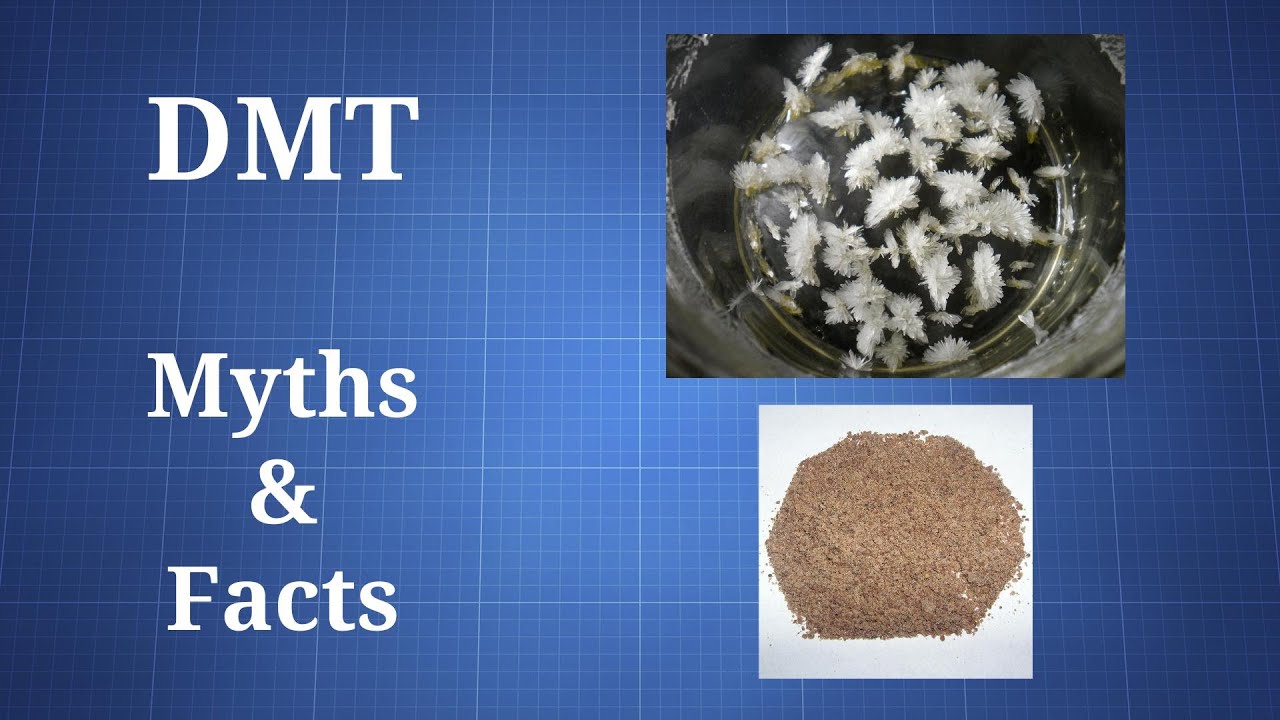


New DMT Experiment Finds 'Alien Code' Hidden in the Fabric of Reality | Danny Goler
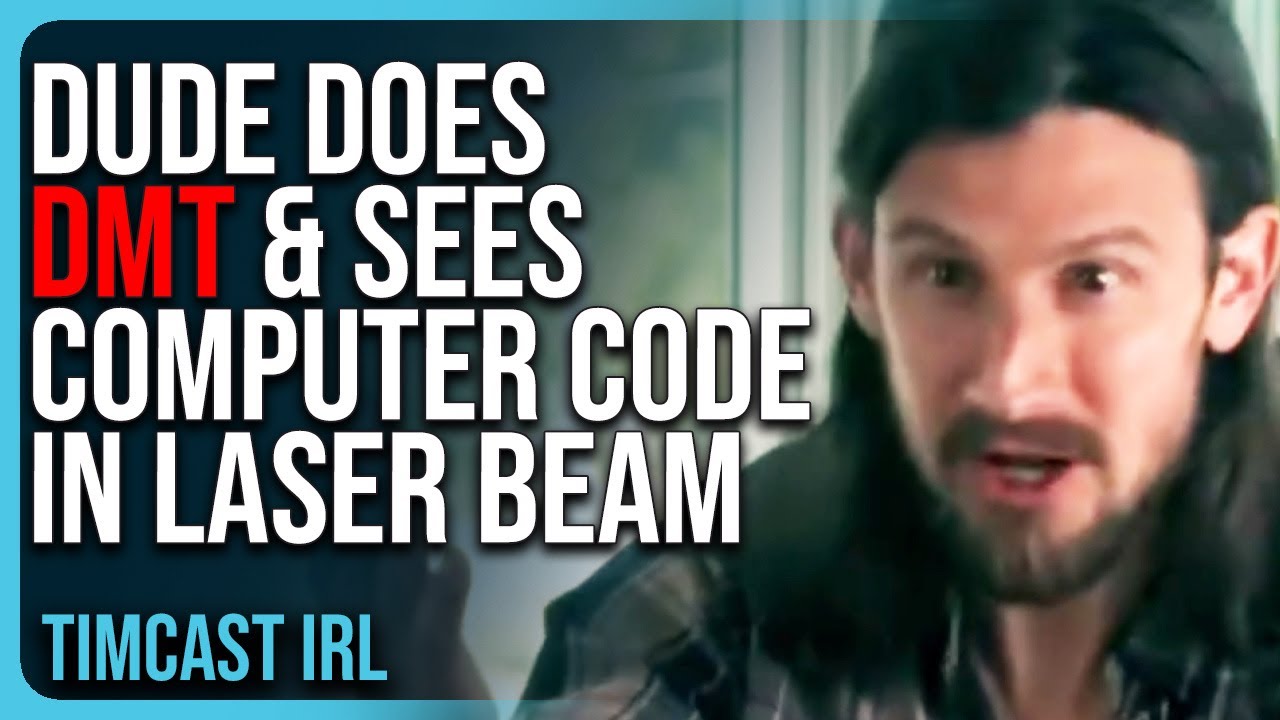
Dude Does DMT & Sees Computer Code In Laser Beam, Claims Hundreds Of Others See It As Well
Dimethyltryptamine (DMT) is a strong psychedelic drug that can be found in many plants and animals, including humans. It's a derivative and structural analog of tryptamine.
Video:
NEUROSCIENTIST DISCOVERS WE'RE ALL ONE CONSCIOUSNESS PRETENDING TO BE SEPARATE Dr. Christoph Kahl spent decades proving consciousness comes from the brain. Then 10 minutes of 5-MeO DMT revealed the cosmic joke: there's only one mind playing all the parts. No space. No time. No self. Just "unbearable light full of terror and ecstasy." He became everything that exists. His revelation: You're not IN the universe. You ARE the universe experiencing itself through 8 billion viewpoints.
Effects
- Psychological effects
- Intense visual hallucinations
- Depersonalization
- Auditory distortions
- Altered sense of time and body image
- Other effects
- Affects all the senses
- Alters a person's thinking, sense of time, and emotions
Classification
- DMT is a DEA Schedule I controlled substance. This means that it has no acceptable medical use and has a high chance of being abused.
- DMT is also a neurotransmitter.
Preparation
- DMT is used as a psychedelic drug.
- Various cultures prepare it for ritual purposes as an entheogen.
- In the USA, DMT is found in common plants such as:
- Phalaris arundinacea
- Phalaris tuberosa
- Phalaris aquatica (canary grass)
- In some parts of South America, Diplopterys cabrerana is used instead of Psychotria viridis.
- DMT is also found in the hallucinogenic tea ayahuasca.
ARTICLES/STUDIES
SCIENTISTS DISCOVER LINK BETWEEN DMT EXPERIENCES AND HEART ACTIVITY
A new study in the Journal of Psychopharmacology reveals a surprising link between heart activity and mystical experiences during DMT trips. Researchers found that when the body's sympathetic (stress response) and parasympathetic (relaxation) systems balanced during DMT use, participants reported more spiritual insights and felt better weeks after the experience. This balance between stress and calm may help explain the profound effects of psychedelics, offering new insights into how the body shapes consciousness and well-being.
Neuropharmacology of N,N-Dimethyltryptamine
DMT can increase survival and alleviate cellular stress in hypoxic environments.
DMT may be considered as adjuvant therapy in acute cerebral ischemia management.