Acupressure
Neck Pain Acupressure Points
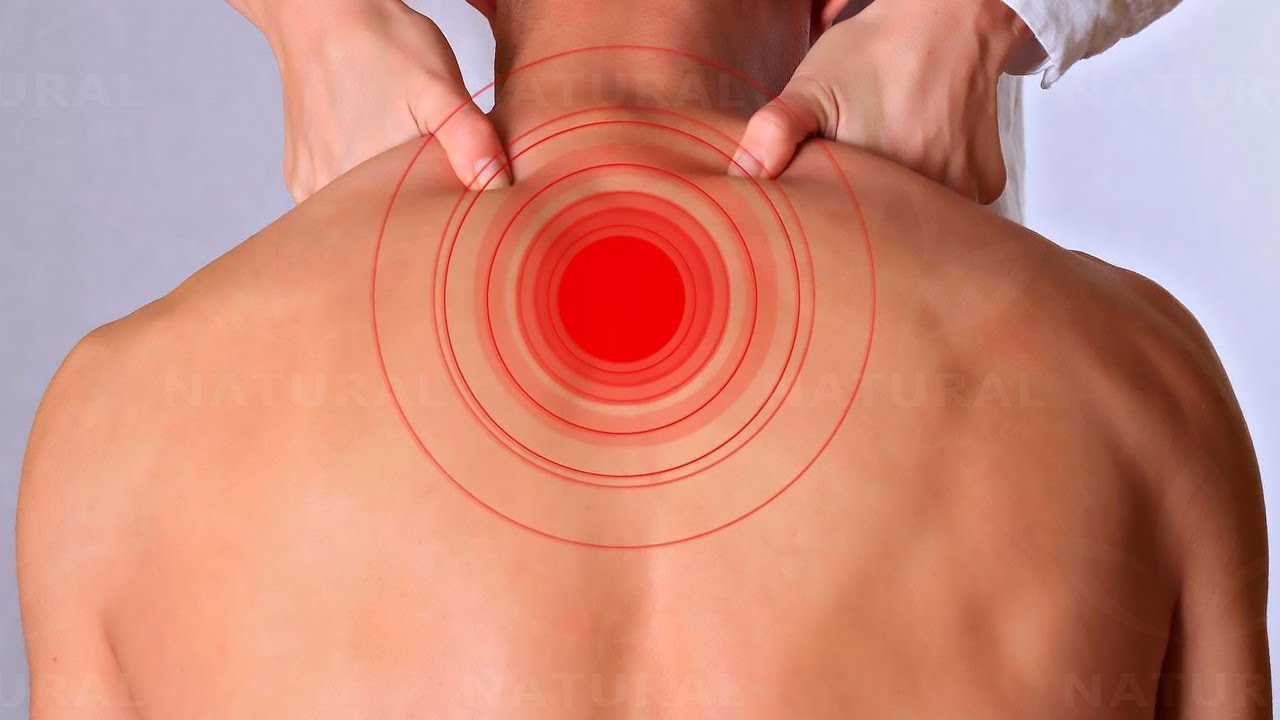
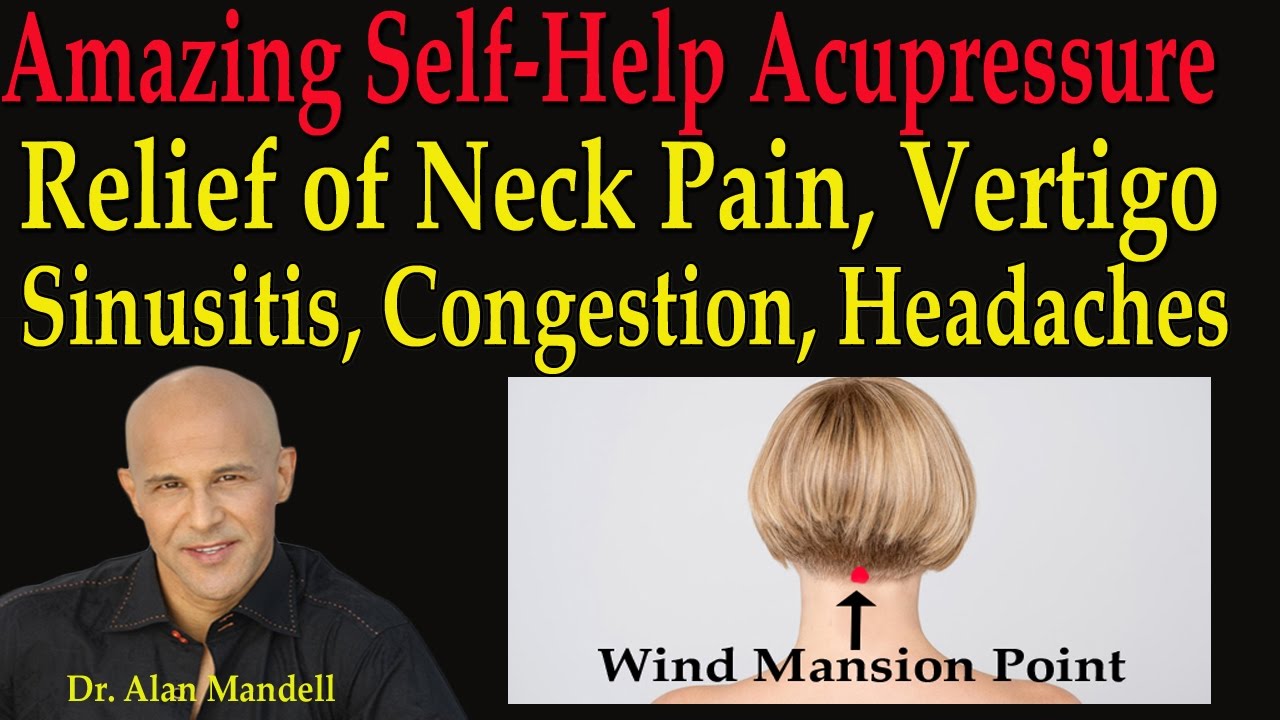
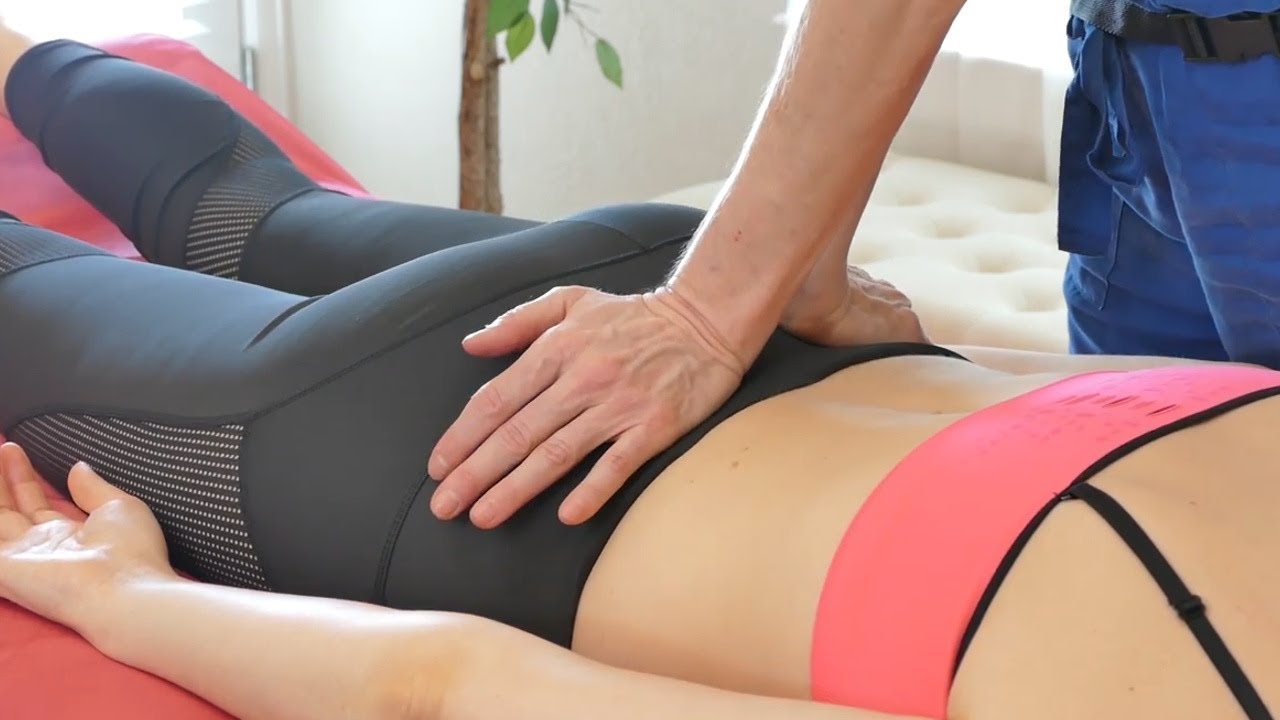
Points for low back pain
Acupressure is an ancient healing art that involves applying physical pressure to specific points on the body to promote relaxation, alleviate pain, and improve overall health. This practice is rooted in Traditional Chinese Medicine (TCM) and shares similarities with acupuncture, though it does not involve the use of needles. Instead, practitioners use their fingers, palms, elbows, or special tools to apply pressure to acupoints, which are believed to lie along energy pathways known as meridians.
Historical Background
Acupressure has been practiced for thousands of years, with its origins tracing back to ancient China. It is based on the concept of Qi (pronounced "chee"), which is the life force or vital energy that flows through the body. According to TCM, when the flow of Qi is disrupted or blocked, it can lead to illness or discomfort. Acupressure aims to restore balance and harmony by stimulating specific points along the meridians to enhance the flow of Qi.
How Acupressure Works
The fundamental principle of acupressure is that the body has a network of meridians through which Qi flows. There are 12 primary meridians, each associated with a specific organ system. Acupoints are located along these meridians, and each point corresponds to a particular organ or bodily function. By applying pressure to these points, practitioners believe they can influence the flow of Qi, thereby promoting healing and well-being.
Techniques and Tools
Acupressure can be performed using various techniques, including:
- Finger Pressure: The most common method, where practitioners use their fingers to apply steady, firm pressure to acupoints.
- Palm Pressure: Using the palm to cover larger areas and apply pressure.
- Elbow Pressure: For deeper pressure on larger muscle groups.
- Special Tools: Tools like acupressure mats, balls, or rollers can be used for self-treatment.
Benefits of Acupressure
Acupressure is believed to offer a wide range of health benefits, including:
- Pain Relief: It is commonly used to alleviate headaches, neck and back pain, and arthritis.
- Stress Reduction: By promoting relaxation, acupressure can help reduce stress and anxiety.
- Improved Circulation: Stimulating acupoints may enhance blood flow and oxygenation of tissues.
- Digestive Health: It can aid in relieving symptoms of indigestion, nausea, and constipation.
- Enhanced Sleep: Acupressure may improve sleep quality by promoting relaxation and reducing stress.
Scientific Evidence
While acupressure is widely practiced and has many anecdotal reports of effectiveness, scientific research on its efficacy is still evolving. Some studies suggest that acupressure can be beneficial for certain conditions, such as:
- Chronic Pain: Research indicates that acupressure may help reduce chronic pain, particularly in the lower back and neck.
- Nausea and Vomiting: It has been found effective in reducing nausea and vomiting, especially in postoperative and chemotherapy patients.
- Anxiety and Stress: Some studies show that acupressure can lower stress levels and improve mood.
However, more rigorous clinical trials are needed to fully understand the mechanisms and effectiveness of acupressure.
Self-Care and Safety
Acupressure is generally considered safe when performed correctly. Here are some tips for practicing acupressure safely:
- Consult a Professional: If you're new to acupressure, consider consulting a trained practitioner to learn proper techniques.
- Avoid Sensitive Areas: Do not apply pressure to open wounds, bruises, or areas with inflammation.
- Listen to Your Body: If you experience pain or discomfort, reduce the pressure or stop the session.
- Stay Hydrated: Drink plenty of water before and after a session to help flush out toxins.
ARTICLES/STUDIES
Anxiety
Acupressure bladder meridian alleviates anxiety disorder via HMGB1.
Birthing
Cardiovascular
Dementia
- Acupressure is effective in reducing both agitation and stress residents with dementia.
- Management of behavioral and psychological symptoms of dementia (BPSD) by an **aroma-massage with acupressure treatment protocol**: a randomized clinical trial
Depression
Detox
Detoxify with acupressure: Top 7 pressure points to flush toxins and strengthen the immune system
Dysmenorrhea
- Acupressure showed evidence of pain relief while acupuncture improved both the mental and the physical components of quality of life.
- Acupressure has positive effects on menstrual distress in adolescent girls.
- Acupressure is an effective technique for reducing pain and anxiety during dysmenorrhea.
- Acupressure is therapeutic in alleviating symptoms associated with primary dysmenorrhea.
- Acupressure reduced the subjective perception of dysmenorrhea and the levels of norepinephrine.
- An acupressure device is an effective and safe nonpharmacologic strategy for the treatment of primary dysmenorrhea.
Fatigue
Acupressure to Increase Energy
First Aid
Headache
Impotence
- Acupressure for impotence
- Natural At-Home Remedies : Acupressure Points on the Body for Treating Impotence
Morning Sickness
Obesity
Mechanism of acupuncture in treating obesity: advances and prospects.
Pain
- Acupuncture, acupressure and chiropractic may have a favourable effects on self-reported pain and functional limitations.
- Acupressure showed evidence of pain relief while acupuncture improved both the mental and the physical components of quality of life.
- The effectiveness of relaxation acupoint stimulation and acupressure with aromatic lavender essential oil for non-specific low back pain in Hong Kong: a randomised controlled trial
Parkinson’s
Renal Failure
- Acupressure improves fatigue in patients with end-stage renal disease
- Acupressure with massage has a beneficial effect on fatigue and depression in patients with end-stage renal disease.
Respiratory
Sleep
- Study findings included in the review showed that acupressure significantly improved sleep quality.
- Aromatherapy and acupressure massage improve the sleep and quality of life in career women.
- Acupressure has the potential to improve insomnia in residents of long-term care facilities.
- Overnight acupressure wrist compression ameliorate quality of sleep and reduce anxiety levels in insomniacs.
- Acupressure could be potentially helpful in enhancing sleep quality and decreasing the anxiety of burn patients.