Pineapple Weed
See Matricaria (genus)
Constituents
- Active compounds commonly found amongst plants in the Matricaria Genus are characteristic polyines such as 2Z,8Z-matricaria ester, 8Z-2,3-dihydro-matricaria ester, 2E- and 2Z- lachnophyllum ester, 2E-dehydro-matricaria ester, and 5E,9Z-matricaria lactone.
- Analysis of the essential oil of the pineapple weed shows that the major constituent is myrcene, a chemical important in the perfumery industry. Because of its pleasant odor, it is often used directly, but it is highly valued as an intermediate in fragrance production.
- Another constituent is the coumarin herniarin, which has shown a range of biological activities, including haemostatic and anthelmintic properties. Research has also demonstrated antimicrobial activity, with extracts of pineapple weed causing inhibition of aggregation of Escherichia coli cells in vitro.
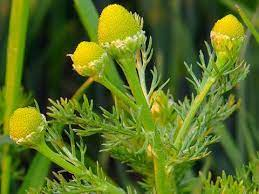
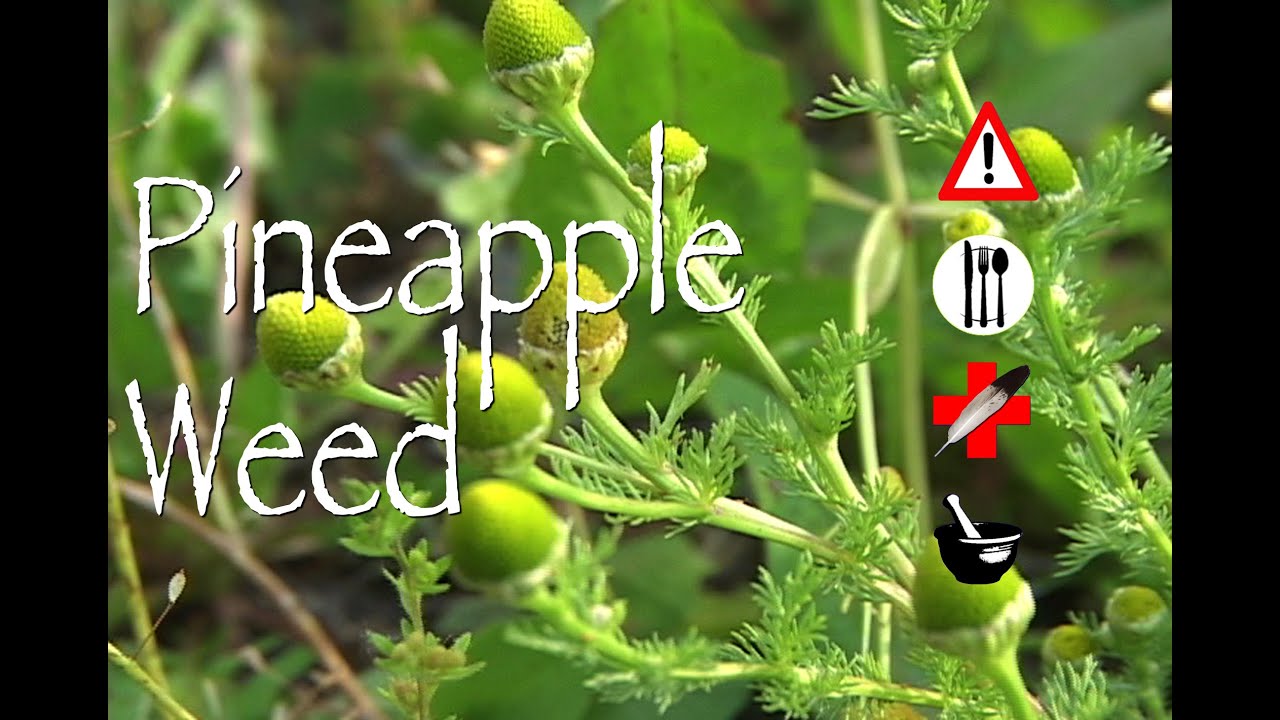
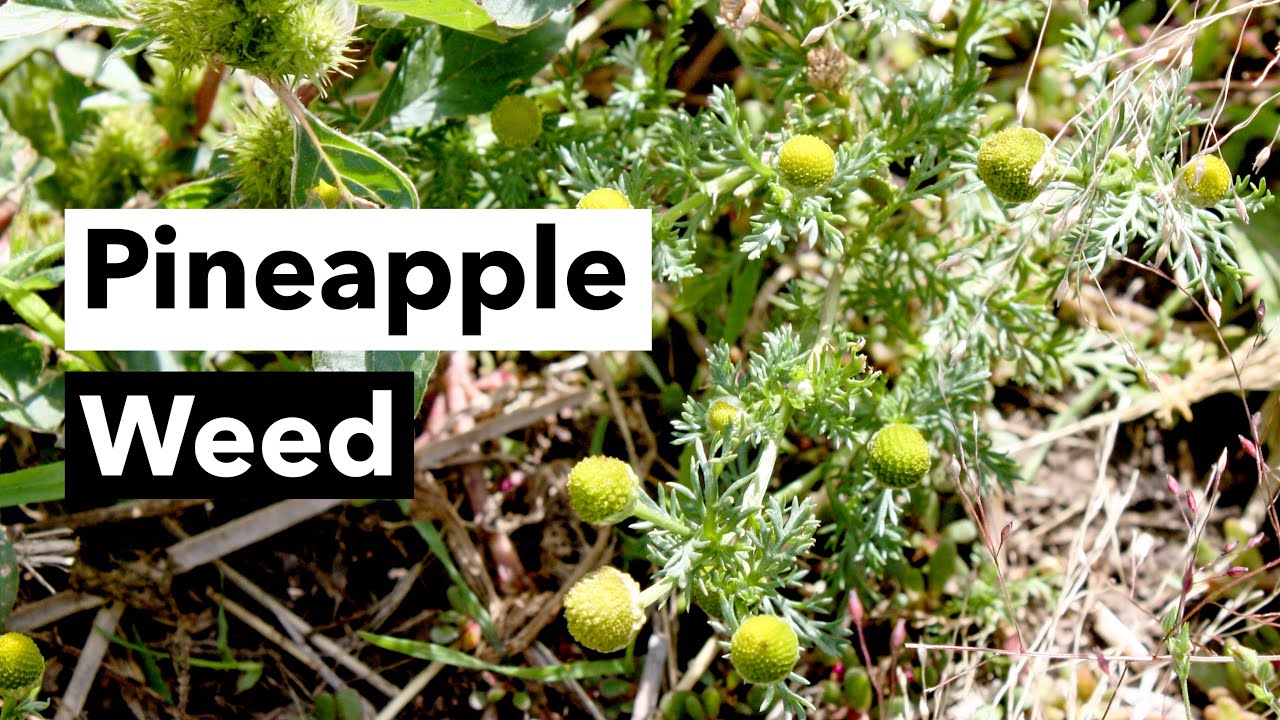
Matricaria matricarioides, commonly known as pineapple weed or wild chamomile, is a plant species in the Asteraceae family. It has a history of traditional medicinal and edible uses. Here are some traditional and potential modern uses associated with Matricaria matricarioides:
Traditional Medicinal Uses:
- Digestive aid: Pineapple weed has been traditionally used as a digestive tonic to alleviate digestive discomfort, including indigestion, bloating, and gas. It is believed to have carminative properties that help soothe the digestive system.
- Relaxation and sleep: Pineapple weed has been used in traditional herbal medicine as a mild sedative or calming agent. It is believed to have relaxant properties that can help promote relaxation and improve sleep quality.
Modern Medicinal Uses:
- Topical use: The flowers of pineapple weed contain certain compounds that have potential anti-inflammatory and anti-microbial properties. They may be used topically to soothe skin irritations, such as minor rashes, insect bites, and mild skin inflammations.
Edible Uses:
Culinary applications: Pineapple weed flowers can be consumed and used in culinary preparations. They have a sweet, fruity aroma reminiscent of pineapple, hence the name "pineapple weed." The flowers can be added to salads, infused in teas, or used as a flavoring in desserts, beverages, and sauces. However, it is important to ensure proper identification and avoid confusion with other similar-looking plants.
It's important to note that while Matricaria matricarioides has traditional uses and is generally considered safe for consumption, individual sensitivities or allergies can occur. Additionally, pregnant or breastfeeding women and individuals with specific health conditions should exercise caution and consult with a healthcare professional or a qualified herbalist before using pineapple weed or any other herbal remedies.
Making Pineapple Weed Tea: