Mastitis
Return to Menu - Women’s Health Issues
Mastitis is a breast inflammation that is usually caused by an infection. It is most common when a woman is breastfeeding. Mastitis can feel like the flu and can include symptoms such as:
- Breast tenderness or warmth to the touch
- Breast swelling
- Thickening of breast tissue, or a breast lump
- Pain or a burning sensation continuously or while breast-feeding
- Skin redness, often in a wedge-shaped pattern
- Generally feeling ill
- Fever of 101 F (38.3 C) or greater
Mastitis can be caused by a clogged milk duct or breaks in the skin of the nipple. It can also happen when a woman makes too much milk.
Treatment for mastitis might include:
- A 10-day course of antibiotics
- Breastfeeding on the affected side every 2 hours, or more frequently
It's important to take all of the medication to minimize your chance of recurrence.
Severe cases of clinical mastitis can also be fatal
Videos
Mastitis
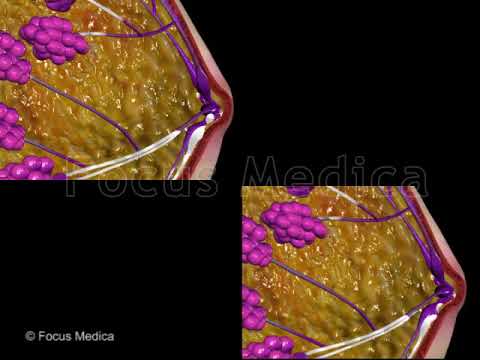
Signs and Symptoms

Recognition and Treatment
What's the difference between a clogged milk duct and mastitis?
Clogged Milk Ducts & Mastitis: How To Treat & Prevent
Articles/Studies
Piperine protects lipopolysaccharide-induced mastitis by inhibiting inflammatory response.
This study suggests that T. mongolicum protects against S. aureus-infected mastitis. (Mongolian dandelion)
The protective effects of Lactobacillus plantarum KLDS 1.0344 on LPS-induced mastitis.