Lymphocytes
Return to Immune System Menu
Return to Lymphatic System Menu
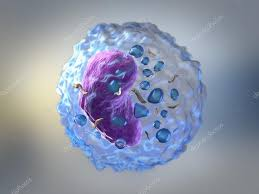
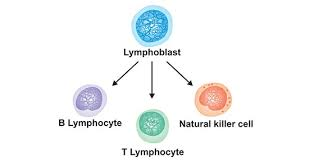
lymphocytes are part of the lymphatic system. The lymphatic system is part of the immune system and produces lymphocytes, which are a type of white blood cell. Lymphocytes are found in the blood and all parts of the lymphatic system.
Lymphocytes develop in the bone marrow and mature in the bloodstream. They are found in the following parts of the lymphatic system: Skin, Spleen, Tonsils and adenoids, Intestinal lining, Thymus.
Lymphocytes can rapidly multiply and release antibodies in response to bacteria, viruses, and other stimuli. They attack bacteria in the blood and body tissues.
There are two types of lymphocytes:
- T cells: Mature in the thymus. They don't respond to infection until they are released into the blood and the lymphatic system.
- B cells: Respond to pathogens in a specific fashion.
They are the main type of cell in lymph, which is why they are called lymphocytes. Lymphocytes are part of the immune system and help fight cancer, viruses, bacteria, and diseases. They do this by:
- Producing antibodies
- Killing virus-infected and tumor cells
- Regulating the immune response
There are several types of lymphocytes, including:
- B cells: Produce antibodies that target foreign invaders
- T cells: Directly target and kill foreign invaders
- Natural killer cells: A subtype of innate lymphoid cells
Lymphocyte levels can vary depending on: Age, Race, Sex, Altitude, Lifestyle.
A healthcare provider can take a lymphocyte count during a normal blood test. An optimal lymphocyte count is 0.7–3.1 x10E3/uL, or 700–3100 cells/uL.
Some conditions that can cause low lymphocyte levels include:
HIV or AIDS, TB, Typhoid fever, Viral hepatitis, Hodgkin's disease, Lupus, Radiation.
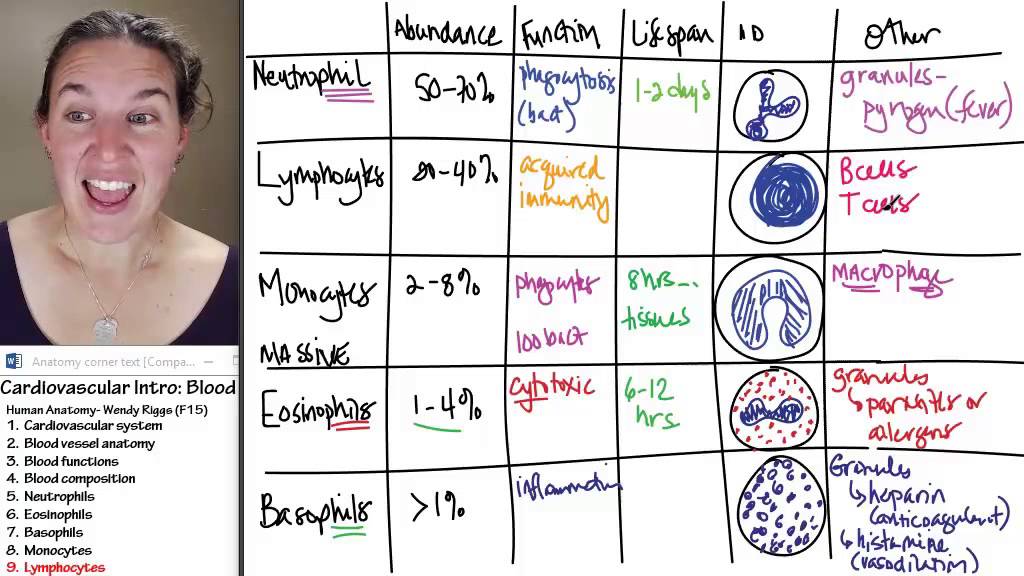

Vitamin D3 supplementation significantly increased lymphocyte counts.