Basil Thyme
See also: Clinopodium Comparison
Constituents
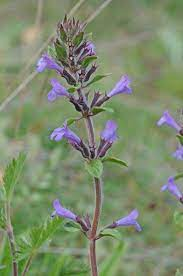
Clinopodium acinos, commonly known as basil thyme or basil thyme wild, is a perennial herbaceous plant that belongs to the Lamiaceae family. This herbaceous plant is native to Europe and Western Asia, where it thrives in various habitats, including dry grasslands, rocky slopes, and forest edges. Clinopodium acinos is known for its aromatic leaves and small pink to purple flowers, making it a popular choice for both culinary and medicinal purposes. It is naturalized in Arkansas, but not common.
Botanical Characteristics
Clinopodium acinos is a low-growing plant that typically reaches a height of about 10-30 centimeters. Its stems are square-shaped, a common trait among plants in the Lamiaceae family. The leaves of Clinopodium acinos are opposite, oval-shaped, and have a slightly toothed margin. One of the most distinctive features of this plant is its aromatic scent, which is reminiscent of a blend of basil and thyme, hence its common names.
The flowers of Clinopodium acinos are small and tubular, ranging in color from pink to purple. They are arranged in dense clusters at the ends of the stems, creating a visually striking display when in bloom. These flowers are not only attractive to humans but also serve as a valuable food source for pollinators such as bees and butterflies.
Culinary Uses
Clinopodium acinos has a long history of culinary use, particularly in European cuisine. The aromatic leaves of this plant are often used as a flavorful herb to enhance the taste of various dishes. The unique blend of basil and thyme-like flavors adds depth and complexity to soups, stews, salads, and meat dishes. In some regions, Clinopodium acinos is also used to season cheeses and vinegars, further showcasing its versatility in the kitchen.
One popular culinary application of Clinopodium acinos is in the preparation of herbal teas. The leaves of this plant can be dried and steeped in hot water to create a fragrant and soothing tea with a subtle minty undertone. This herbal infusion is not only delicious but also believed to have digestive and calming properties, making it a popular choice for relaxation and wellness.
Medicinal Benefits
In addition to its culinary uses, Clinopodium acinos is also valued for its medicinal properties. Throughout history, this herb has been used in traditional medicine to treat various ailments and promote overall well-being. The aromatic leaves of Clinopodium acinos contain essential oils, tannins, and other bioactive compounds that contribute to its therapeutic effects.
One of the primary traditional uses of Clinopodium acinos is as a digestive aid. The herb is believed to help alleviate indigestion, bloating, and other gastrointestinal issues when consumed either as a tea or added to meals. Its carminative properties are thought to help reduce gas and promote healthy digestion, making it a popular remedy for digestive discomfort.
Clinopodium acinos is also known for its antimicrobial and anti-inflammatory properties. The essential oils present in the leaves have been shown to exhibit antibacterial and antifungal activity, making them useful in combating infections. Additionally, the herb's anti-inflammatory effects may help reduce inflammation and relieve pain associated with conditions such as arthritis and muscle soreness.
Cultivation and Harvesting
Cultivating Clinopodium acinos is relatively straightforward, as the plant is adaptable to a wide range of growing conditions. It thrives in well-drained soil and prefers a sunny location, making it suitable for both garden beds and containers. Clinopodium acinos can be propagated from seeds or cuttings, and once established, it requires minimal maintenance to thrive.
Harvesting Clinopodium acinos is best done when the plant is in full bloom, typically in the summer months. The leaves and flowers can be harvested and used fresh or dried for later use. To preserve the herb's flavor and aroma, it is recommended to harvest the leaves in the morning when the essential oils are most concentrated.
Conservation Status
Despite its widespread distribution in Europe and Western Asia, Clinopodium acinos faces threats from habitat loss, overharvesting, and climate change. As a result, some populations of this plant may be at risk of decline or extinction in certain regions. Conservation efforts are essential to protect the natural habitats where Clinopodium acinos grows and ensure the continued survival of this valuable plant species.