Willow Prep/Dose
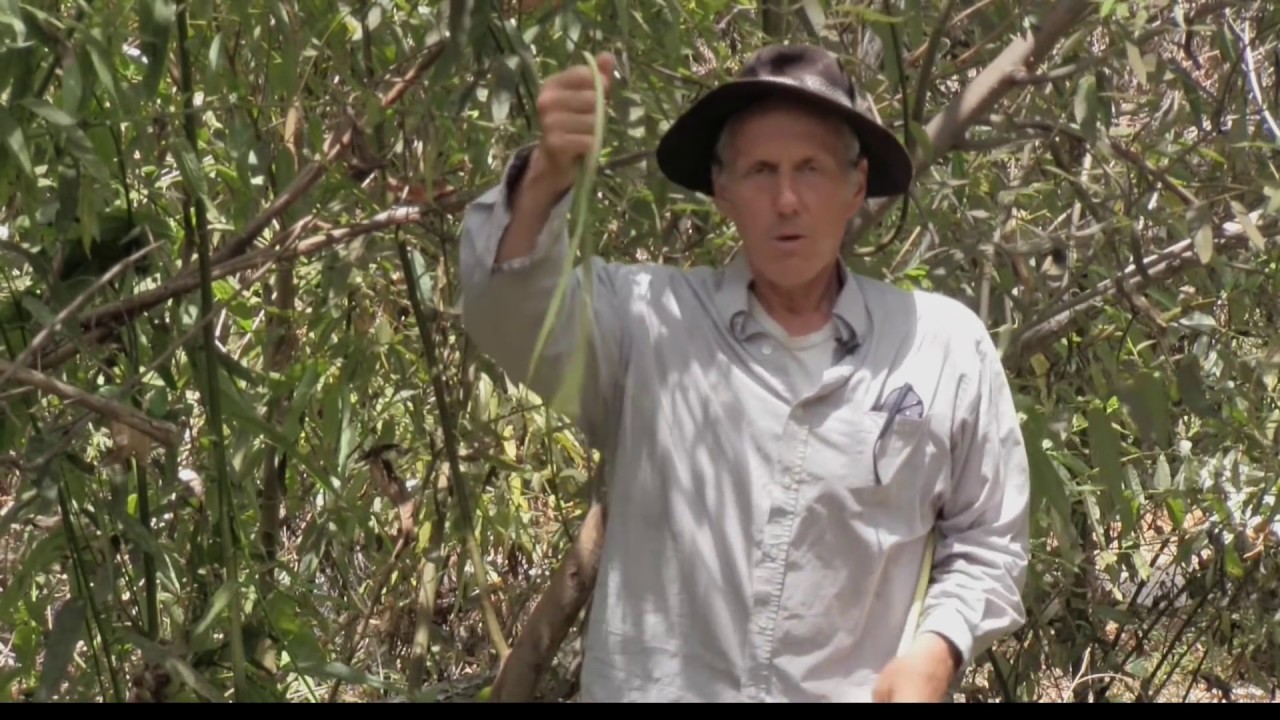
Willow bark can be harvested at any time during dormancy but achieves optimal quality in the spring just as the first leaf buds start to form. The “wands” of the previous year’s growth are pruned off, discarding under-ripe or twiggy growth from the extremities. It should be easy to strip the bark off with the flat of a small hand-knife in the same fashion as Cramp Bark. Young willows are particularly happy to be “coppiced” (recurrently cut back hard to near ground level) resulting in vigorous production of easy-to-harvest wands.
The American Salix nigra has pride of place in existing texts, the European S. alba being accorded different (and lesser) properties. However, as often happens, these differences appear minimal when using fresh material. There are also many species and hybrids developed for use as windbreaks, biomass and for basket-weaving, as examples. These are all potentially therapeutically viable – certainly a modern hybrid (unidentified) used by one UK grower-producer, primarily as a windbreak, has yielded consistently outstanding medicinal results.
Both the decoction and tincture are used. External preparations such as washes and compresses should be made from the decoction
Standard Decoction 4-8 ounces 3 times daily
Tincturing Willow Bark: 1:3 25%, 2 – 3 weeks
Glycerite; Dried bark (1:5); 10-20 ml (1-3 tsp) up to 3 times daily
Capsule 500-1,000mg up to 3 times daily
Adult oral daily dose: extracts, tinctures or fluid extracts equivalent to 120–240 mg of total salicin, or 6–12 g of powdered drug material as a decoction (corresponding to 120–240 mg of total salicin) in two divided doses.