Intermediate serviceberry
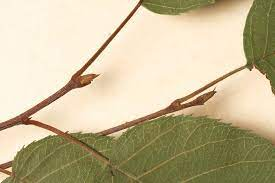
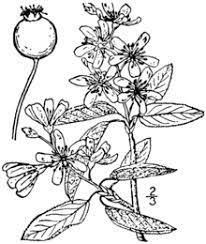
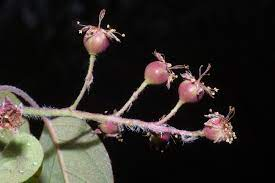
The Intermediate Serviceberry, scientifically known as Amelanchier intermedia, is a deciduous shrub or small tree that belongs to the Rosaceae family. This plant is notable for its ornamental value, edible fruits, and ecological benefits. It is a hybrid species, resulting from the crossbreeding of different Amelanchier species, which contributes to its unique characteristics and adaptability.
Description
Physical Characteristics
- Height and Spread: The Intermediate Serviceberry typically grows to a height of 10 to 20 feet, with a spread of 10 to 15 feet. Its size makes it suitable for both small and large gardens.
- Leaves: The leaves are oval to elliptical, with finely serrated edges. They emerge with a bronze or reddish tint in the spring, mature to a dark green in the summer, and turn vibrant shades of yellow, orange, and red in the fall.
- Flowers: In early spring, before the leaves fully develop, the plant produces clusters of white, five-petaled flowers. These blossoms are not only visually appealing but also attract pollinators such as bees and butterflies.
- Fruits: The fruits are small, round, and berry-like, transitioning from green to red and finally to a deep purple or blue-black when ripe. They are edible and have a sweet, slightly nutty flavor.
Habitat and Distribution
The Intermediate Serviceberry is native to North America, particularly in regions with temperate climates. It thrives in a variety of habitats, including woodlands, forest edges, and open fields. The plant prefers well-drained soils and can tolerate a range of soil types, from sandy to clayey. It is also adaptable to different pH levels, although it performs best in slightly acidic to neutral soils.
Cultivation and Care
Planting
- Site Selection: Choose a location that receives full sun to partial shade. While the plant can tolerate some shade, full sun exposure will result in better flowering and fruiting.
- Soil Preparation: Ensure the soil is well-drained. If the soil is heavy or clayey, consider amending it with organic matter to improve drainage.
- Planting Time: The best time to plant Intermediate Serviceberry is in the early spring or fall when the plant is dormant.
Maintenance
- Watering: Water the plant regularly during its first year to establish a strong root system. Once established, it is relatively drought-tolerant but will benefit from occasional watering during prolonged dry periods.
- Pruning: Prune the plant in late winter or early spring to remove dead or diseased branches and to maintain its shape. Thinning out crowded branches will also improve air circulation and reduce the risk of fungal diseases.
- Fertilization: Apply a balanced, slow-release fertilizer in the spring to promote healthy growth. Avoid excessive fertilization, as this can lead to weak, leggy growth.
Ecological and Ornamental Value
Wildlife Benefits
The Intermediate Serviceberry is an excellent choice for wildlife gardens. Its flowers provide nectar for pollinators, while its fruits are a valuable food source for birds and small mammals. The plant also offers shelter and nesting sites for various bird species.
Ornamental Uses
Due to its attractive flowers, colorful foliage, and edible fruits, the Intermediate Serviceberry is a popular choice for ornamental landscaping. It can be used as a specimen plant, in mixed borders, or as part of a naturalized planting. Its multi-season interest makes it a versatile addition to any garden.
Edible Uses
The fruits of the Intermediate Serviceberry are not only appealing to wildlife but also to humans. They can be eaten fresh or used in a variety of culinary applications, including:
- Jams and Jellies: The sweet, slightly nutty flavor of the berries makes them ideal for making jams and jellies.
- Baked Goods: The berries can be incorporated into muffins, pies, and other baked goods.
- Snacks: Fresh or dried berries can be enjoyed as a healthy snack.