Panicled Aster
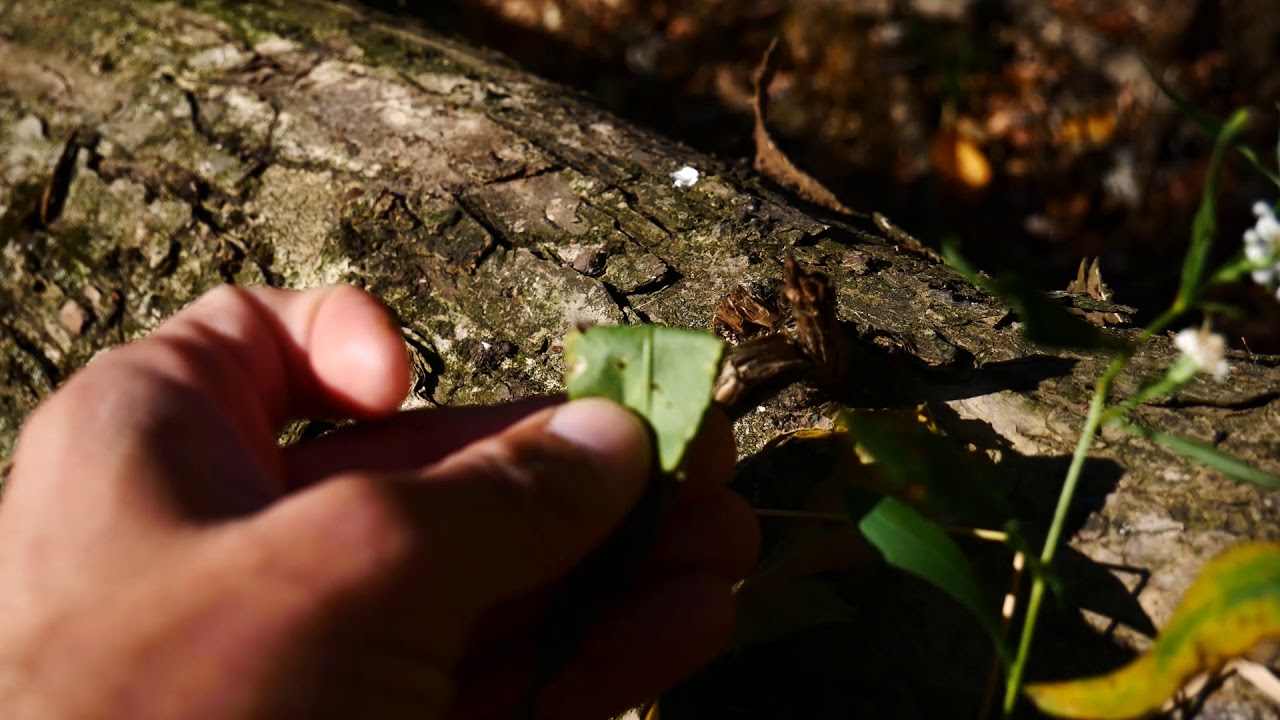
Symphyotrichum lanceolatum, commonly known as the white panicle aster, is a beautiful and versatile flowering plant that belongs to the Asteraceae family. This native North American species can be found in a variety of habitats, from prairies and meadows to open woodlands and roadsides.
Description
Symphyotrichum lanceolatum is a perennial herb that typically grows between 1 to 3 feet tall, with slender lance-shaped leaves that are alternately arranged along the stem. The plant produces an abundance of small white flowers with yellow centers, arranged in dense panicles at the top of the stems. These flowers bloom from late summer to early fall, attracting pollinators such as bees and butterflies.
Habitat and Distribution
White panicle aster is a versatile plant that can thrive in a wide range of environmental conditions. It is commonly found in open areas with well-drained soil, including prairies, meadows, fields, and roadsides. Symphyotrichum lanceolatum is native to North America and can be found across much of the continent, from Canada to the United States.
Ecological Importance
As a native plant species, Symphyotrichum lanceolatum plays a crucial role in supporting local ecosystems. Its flowers provide a valuable food source for pollinators, helping to sustain populations of bees, butterflies, and other insects. In addition, the plant's seeds are consumed by birds and small mammals, further contributing to the biodiversity of its habitat.
Cultivation
White panicle aster is a popular choice for gardeners looking to add native plants to their landscapes. It is relatively easy to grow and maintain, requiring full sun to partial shade and well-drained soil. Symphyotrichum lanceolatum can be propagated from seeds or divided clumps, making it a versatile addition to gardens, meadows, and naturalized areas.
Landscaping Uses
The striking appearance of Symphyotrichum lanceolatum makes it a popular choice for landscaping projects. Its white flowers provide a bright contrast to the greens and browns of the surrounding vegetation, adding visual interest to gardens, borders, and naturalized areas. White panicle aster also pairs well with other native plants, creating a harmonious and ecologically beneficial landscape.
Conservation
Due to habitat loss and other environmental threats, many native plant species, including Symphyotrichum lanceolatum, are facing population declines. Conservation efforts are underway to protect and restore the habitats where these plants grow, ensuring their survival for future generations. By including native plants in landscaping projects and supporting conservation initiatives, individuals can help preserve the biodiversity of their local ecosystems.