Hoop Pine
[ ]
Araucaria cunninghamii, commonly known as the Hoop Pine, is a significant species of conifer native to the subtropical rainforests of eastern Australia and Papua New Guinea. This majestic tree is renowned for its towering height, distinctive bark, and valuable timber.
Botanical Characteristics
Physical Description
Araucaria cunninghamii is an evergreen tree that can reach impressive heights of up to 60 meters (197 feet) in its natural habitat, although cultivated specimens are often shorter. The tree has a straight, cylindrical trunk that is covered with rough, flaky bark. The bark is grayish-brown and peels off in irregular patches, giving the tree a distinctive appearance.
Leaves and Cones
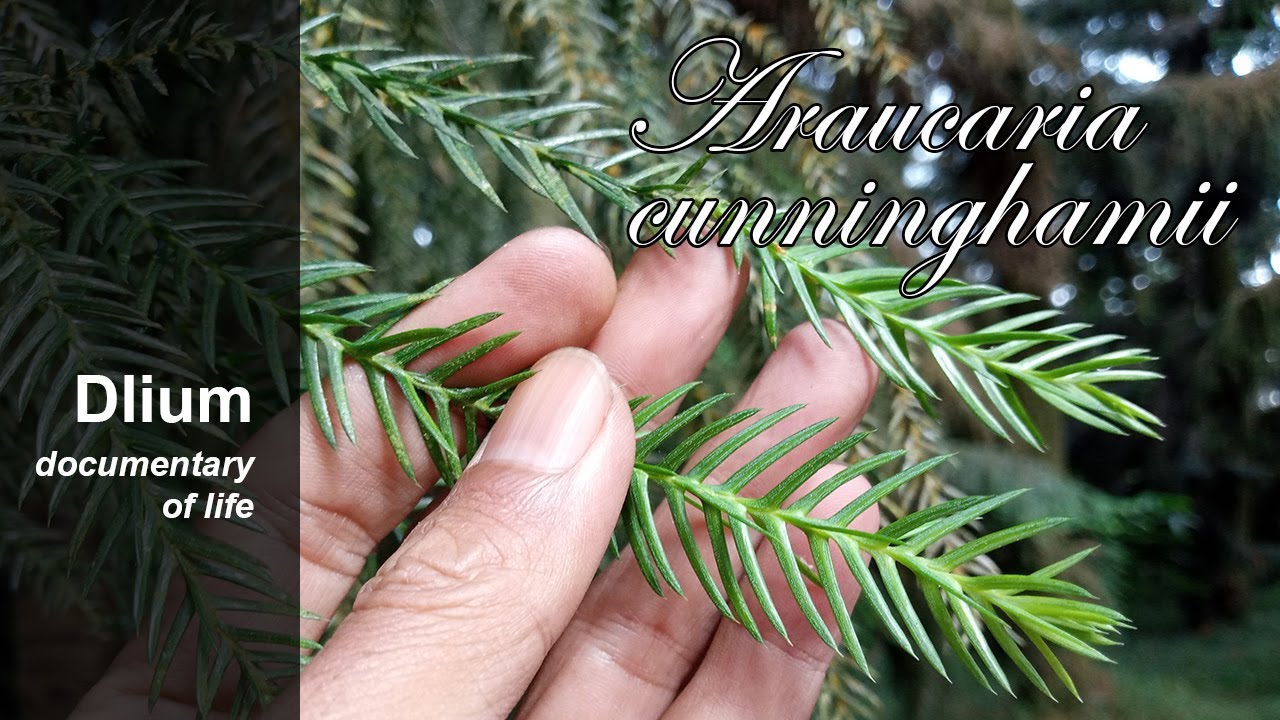
The leaves of the Hoop Pine are narrow, lance-shaped, and arranged spirally around the branches. They are dark green and have a leathery texture. The tree is dioecious, meaning that male and female cones are found on separate trees. The male cones are small and cylindrical, while the female cones are larger, woody, and take about 18 months to mature. The seeds are winged and dispersed by the wind.
Ecological Significance
Habitat
Araucaria cunninghamii thrives in subtropical rainforests, often found on well-drained soils along riverbanks and in mountainous regions. It plays a crucial role in these ecosystems by providing habitat and food for various wildlife species. The dense canopy of the Hoop Pine offers shelter to birds, mammals, and insects, while its seeds serve as a food source for several animals.
Biodiversity
The presence of Araucaria cunninghamii in a forest contributes to biodiversity by supporting a wide range of plant and animal species. The tree's fallen leaves and branches decompose to enrich the soil, promoting the growth of understory plants. Additionally, the Hoop Pine's towering structure allows it to capture sunlight efficiently, which benefits the entire forest ecosystem.
Uses
Timber
One of the most valuable aspects of Araucaria cunninghamii is its timber. The wood is highly prized for its strength, durability, and fine grain. It is used in a variety of applications, including:
- Furniture making
- Flooring
- Paneling
- Boat building
- Plywood production
The timber's light color and ease of working make it a favorite among woodworkers and carpenters.
Ornamental Use
In addition to its commercial value, Araucaria cunninghamii is also popular as an ornamental tree. Its symmetrical shape and evergreen foliage make it an attractive choice for parks, gardens, and large landscapes. The tree is often planted as a specimen tree or in rows to create impressive avenues.
Conservation Status
Threats
Despite its ecological and economic importance, Araucaria cunninghamii faces several threats. Habitat loss due to deforestation and land conversion for agriculture and urban development is a significant concern. Additionally, illegal logging and over-exploitation of the tree for its valuable timber have led to a decline in its natural populations.
Conservation Efforts
Efforts to conserve Araucaria cunninghamii include:
- Establishing protected areas and national parks to safeguard its natural habitat
- Implementing sustainable forestry practices to ensure the responsible harvesting of timber
- Promoting reforestation and afforestation projects to restore degraded areas
- Raising awareness about the importance of conserving this species and its habitat