Freeman Maple
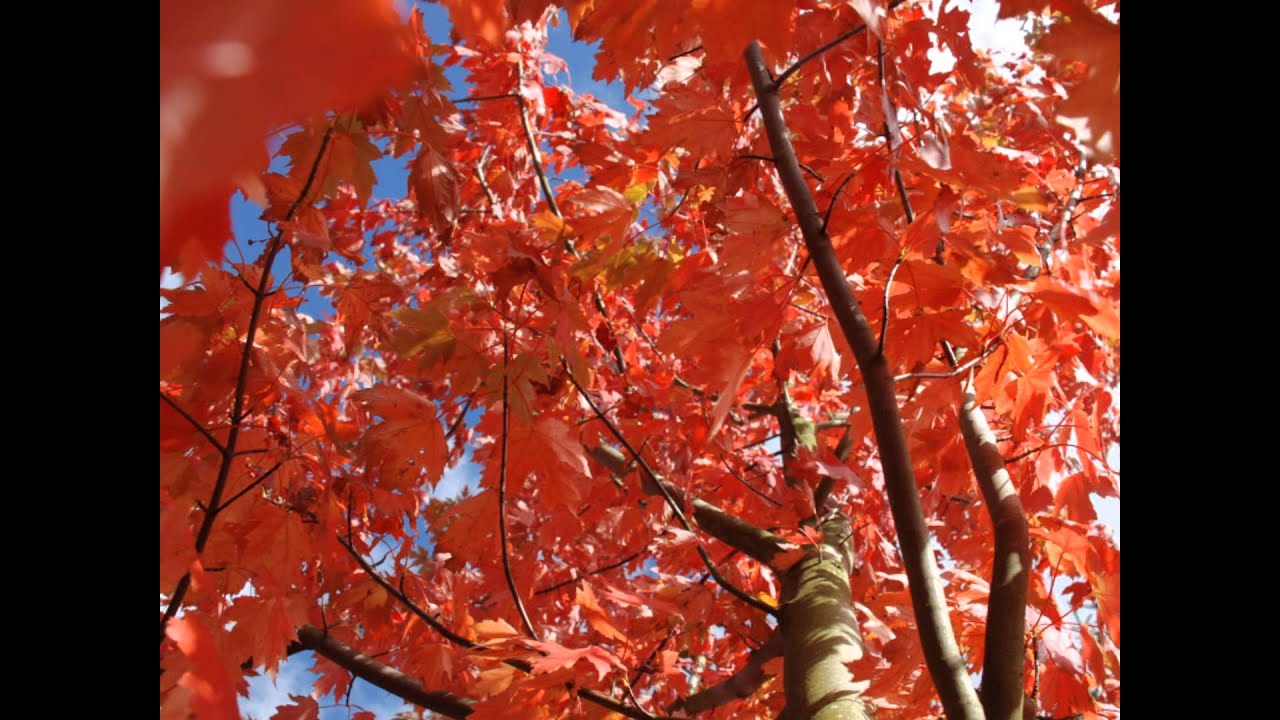
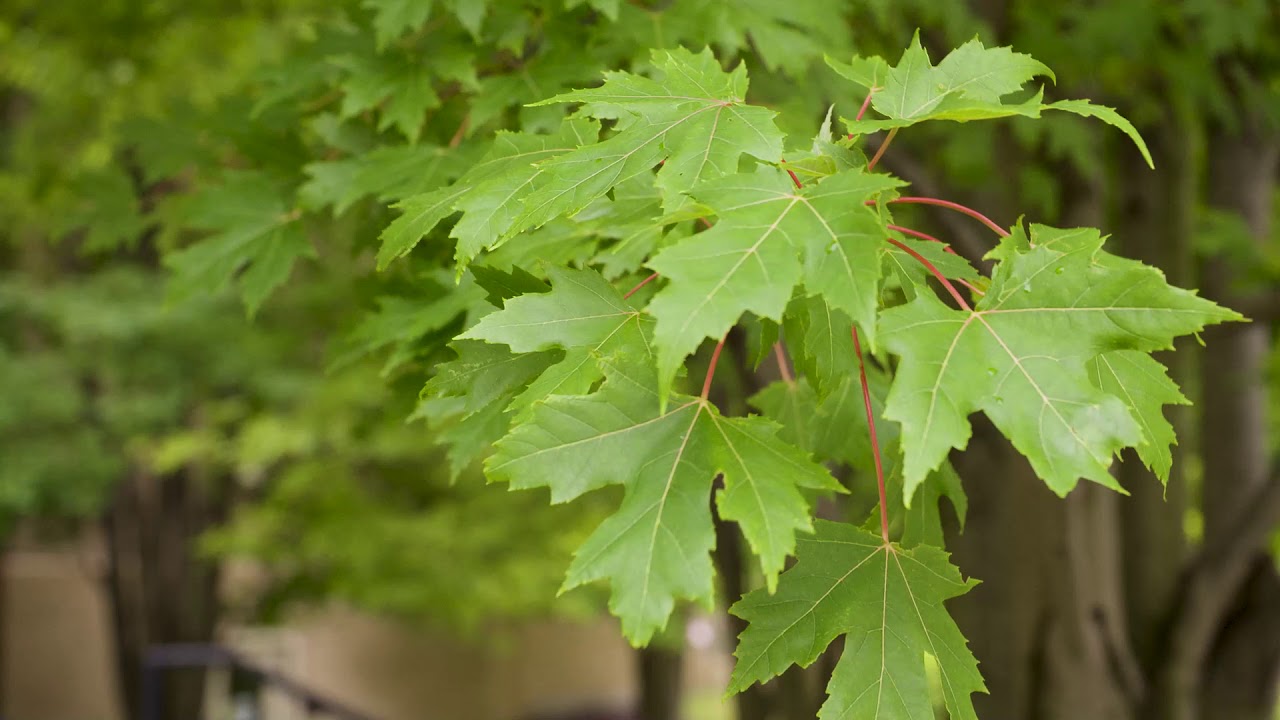
The Freeman Maple (Acer x freemanii) is a hybrid tree that combines the best traits of its parent species, the Red Maple (Acer rubrum) and the Silver Maple (Acer saccharinum). This hybridization results in a tree that is not only visually appealing but also highly adaptable to various environmental conditions. The Freeman Maple is a popular choice for urban landscapes, parks, and residential areas due to its rapid growth, vibrant fall colors, and resilience.
Origin and Hybridization
The Freeman Maple was first developed by Oliver Freeman in the early 20th century. By crossbreeding the Red Maple and the Silver Maple, Freeman aimed to create a tree that would inherit the desirable characteristics of both species. The Red Maple is known for its stunning fall foliage and adaptability to different soil types, while the Silver Maple is prized for its fast growth and tolerance to wet conditions. The resulting hybrid, the Freeman Maple, successfully combines these attributes, making it a versatile and robust tree.
Physical Characteristics
Size and Growth Rate
The Freeman Maple is a medium to large-sized tree, typically reaching heights of 40 to 60 feet, with some specimens growing up to 80 feet. It has a moderate to fast growth rate, often adding 2 to 3 feet of height per year under optimal conditions. This rapid growth makes it an excellent choice for those looking to establish shade quickly in their landscapes.
Leaves and Foliage
One of the most striking features of the Freeman Maple is its foliage. The leaves are similar in shape to those of the Red Maple, with three to five lobes and serrated edges. In the fall, the leaves turn a brilliant array of colors, ranging from deep red to orange and yellow. This vibrant display makes the Freeman Maple a favorite for autumn landscapes.
Bark and Branches
The bark of the Freeman Maple is smooth and gray when young, becoming more furrowed and ridged as the tree matures. The branches are strong and well-structured, reducing the likelihood of breakage during storms. This structural integrity is inherited from the Silver Maple, which is known for its sturdy branches.
Environmental Adaptability
Soil and Water Requirements
The Freeman Maple is highly adaptable to a variety of soil types, including clay, loam, and sandy soils. It prefers well-drained soil but can tolerate occasional flooding, thanks to its Silver Maple heritage. This adaptability makes it suitable for planting in diverse environments, from urban settings to rural landscapes.
Light and Temperature
Freeman Maples thrive in full sun to partial shade, requiring at least four hours of direct sunlight per day for optimal growth. They are hardy in USDA zones 3 through 8, making them suitable for a wide range of climates. The tree can withstand cold winters and hot summers, although it may require additional watering during prolonged dry spells.
Benefits and Uses
Aesthetic Appeal
The Freeman Maple is often planted for its aesthetic value. Its symmetrical shape, vibrant fall colors, and attractive bark make it a standout in any landscape. It is commonly used as a shade tree in parks, along streets, and in residential yards.
Environmental Benefits
In addition to its beauty, the Freeman Maple provides several environmental benefits. Its dense canopy offers excellent shade, reducing the urban heat island effect and lowering cooling costs for nearby buildings. The tree also improves air quality by absorbing pollutants and producing oxygen.
Wildlife Habitat
The Freeman Maple supports a variety of wildlife. Its flowers provide nectar for bees and other pollinators in the spring, while its seeds are a food source for birds and small mammals. The tree's dense foliage offers shelter and nesting sites for various bird species.
Planting and Care
Planting Tips
When planting a Freeman Maple, choose a location with well-drained soil and adequate sunlight. Dig a hole twice as wide and just as deep as the root ball, and ensure the tree is planted at the same depth it was growing in the nursery. Water thoroughly after planting to help establish the roots.
Maintenance
Freeman Maples require minimal maintenance once established. Regular watering during dry periods, especially in the first few years, will promote healthy growth. Pruning should be done in late winter or early spring to remove any dead or damaged branches and to maintain the tree's shape.