Spelt


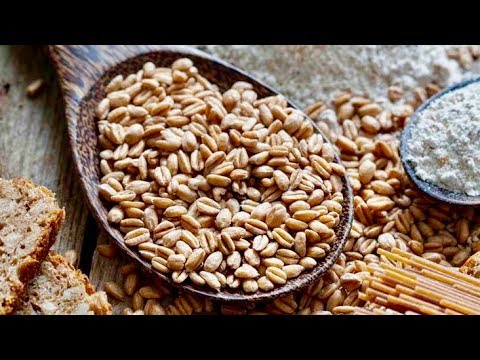
Spelt (Triticum spelta) Health Benefits and Side Effects
Spelt, scientifically known as Triticum spelta, is an ancient grain that has been cultivated for thousands of years. It is a close relative of modern wheat but has distinct characteristics that set it apart. This grain has seen a resurgence in popularity due to its nutritional benefits and versatility in cooking.
Historical Background
Spelt is one of the oldest cultivated grains, with origins tracing back to around 5000 BCE in the Near East. It was a staple in ancient civilizations, including the Romans and Egyptians. Over time, spelt was largely replaced by modern wheat due to the latter's higher yield and easier processing. However, spelt has made a comeback in recent years, especially among health-conscious consumers and those interested in ancient grains.
Nutritional Profile
Spelt is packed with essential nutrients, making it a valuable addition to a balanced diet. Here is a breakdown of its nutritional components:
- Protein: Spelt contains a higher protein content compared to modern wheat, with about 15% of its weight being protein.
- Fiber: It is rich in dietary fiber, which aids in digestion and helps maintain a healthy gut.
- Vitamins and Minerals: Spelt is a good source of B vitamins, including niacin (B3), thiamine (B1), and riboflavin (B2). It also contains essential minerals such as iron, magnesium, phosphorus, and zinc.
- Antioxidants: The grain is rich in antioxidants, which help combat oxidative stress and reduce inflammation.
Health Benefits
The nutritional profile of spelt translates into several health benefits:
- Improved Digestion: The high fiber content in spelt promotes healthy digestion and can help prevent constipation and other digestive issues.
- Heart Health: Spelt's fiber, along with its magnesium content, can contribute to lower cholesterol levels and improved heart health.
- Weight Management: The protein and fiber in spelt can help you feel fuller for longer, aiding in weight management and reducing overeating.
- Blood Sugar Control: Spelt has a lower glycemic index compared to modern wheat, which means it can help regulate blood sugar levels and is a better option for those with diabetes.
- Bone Health: The presence of minerals like magnesium and phosphorus supports bone health and can help prevent conditions like osteoporosis.
Culinary Uses
Spelt is incredibly versatile and can be used in various culinary applications. Here are some popular ways to incorporate spelt into your diet:
- Whole Spelt Berries: These can be cooked and used in salads, soups, and stews, providing a chewy texture and nutty flavor.
- Spelt Flour: This can be used as a substitute for regular wheat flour in baking. It works well in bread, muffins, pancakes, and cookies.
- Spelt Pasta: Available in many grocery stores, spelt pasta is a nutritious alternative to traditional pasta.
- Spelt Bread: Many bakeries offer spelt bread, which is often denser and more flavorful than bread made from modern wheat.
Cooking Tips
When cooking with spelt, there are a few tips to keep in mind:
- Hydration: Spelt flour absorbs more water than regular wheat flour, so you may need to adjust the liquid content in recipes.
- Kneading: When making bread, spelt dough requires less kneading than wheat dough. Over-kneading can result in a dense texture.
- Cooking Time: Whole spelt berries take longer to cook than rice or quinoa. Soaking them overnight can reduce the cooking time.