Wim Hoff Method
Videos

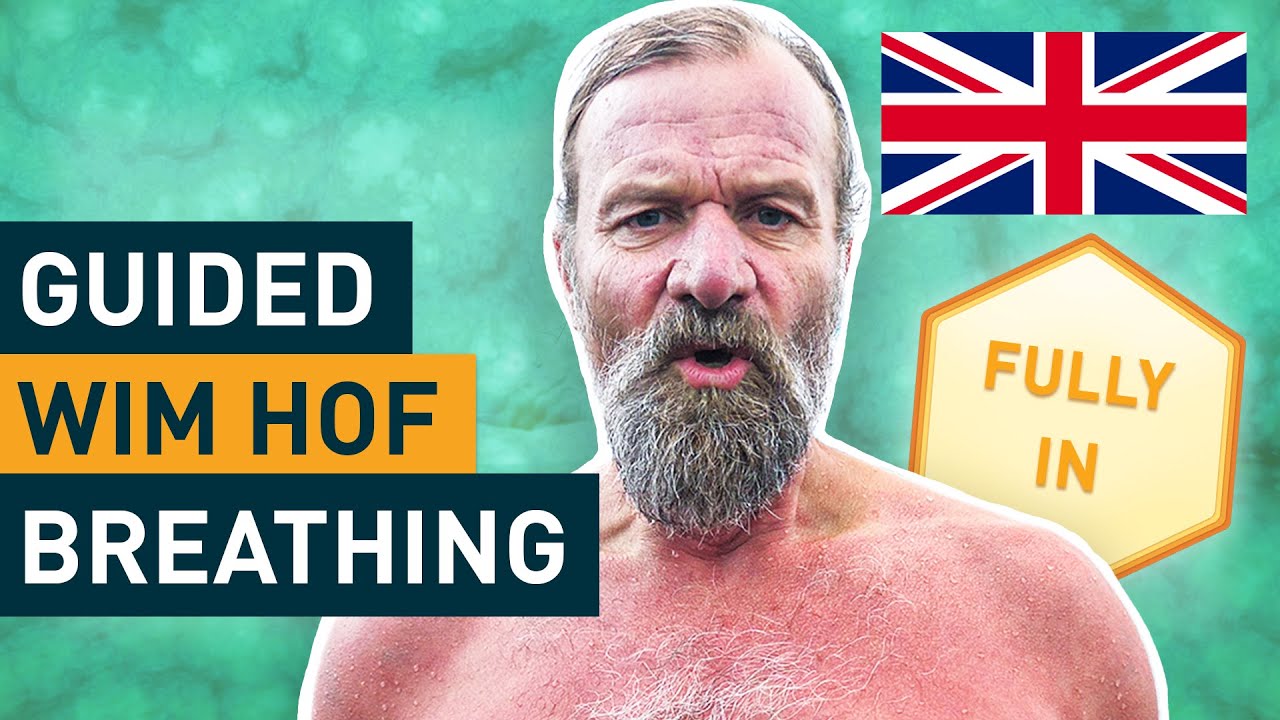
Success with the Wim Hoff Methods

Joe Rogan Interviews Wim Hoff
Wim Hoff Technique and Benefits
How to Breathe to Build Cellular Energy
Wim Hoff Breathing + Strength Yoga
Wim Hof's take on Coronavirus (COVID-19)
Doctor Dissects the Wim Hof Method - Cold Hard Science Analysis
The Wim Hof Method, developed by Dutch extreme athlete Wim Hof, is a unique approach to improving physical and mental well-being. Known as "The Iceman" for his ability to withstand extreme cold, Hof has inspired many with his method, which combines breathing techniques, cold exposure, and commitment. This method is designed to help individuals harness their inner strength and resilience, leading to improved health and performance.
Core Components of the Wim Hof Method
The Wim Hof Method is built on three fundamental pillars:
1. Breathing Techniques
The breathing exercises in the Wim Hof Method are designed to increase oxygen levels in the body, leading to heightened energy, reduced stress, and an improved immune response. The technique involves a cycle of deep inhalations followed by short, passive exhalations. This is typically done in rounds, with each round consisting of 30-40 breaths, followed by a breath hold.
- Increased Oxygen Intake: The breathing exercises help saturate the body with oxygen, which can enhance physical performance and mental clarity.
- Stress Reduction: By focusing on the breath, practitioners can achieve a meditative state, reducing stress and anxiety.
- Enhanced Immune Function: Regular practice has been linked to a stronger immune response, potentially reducing the frequency and severity of illnesses.
2. Cold Exposure
Cold exposure is a key element of the Wim Hof Method, with benefits ranging from improved circulation to increased mental resilience. This can be achieved through cold showers, ice baths, or spending time in cold environments.
- Improved Circulation: Exposure to cold stimulates blood flow, which can improve cardiovascular health.
- Increased Resilience: Regular cold exposure trains the body and mind to handle stress more effectively.
- Boosted Metabolism: The body burns more calories to maintain its core temperature, which can aid in weight management.
3. Commitment
The third pillar, commitment, is essential for the successful practice of the Wim Hof Method. It involves dedication to the practice and a willingness to push beyond comfort zones.
- Mental Fortitude: Commitment to the method helps build mental strength and discipline.
- Consistency: Regular practice is crucial for experiencing the full benefits of the method.
- Personal Growth: The challenges presented by the method encourage personal development and self-discovery.
Scientific Backing and Benefits
The Wim Hof Method has gained attention from the scientific community, with studies supporting its effectiveness. Research has shown that the method can lead to:
- Enhanced Immune Response: Studies have demonstrated that practitioners of the Wim Hof Method can influence their autonomic nervous system and immune response, potentially reducing inflammation and improving overall health.
- Improved Mental Health: The method has been linked to reduced symptoms of anxiety and depression, likely due to the combination of breathing exercises and cold exposure.
- Increased Physical Performance: Athletes and fitness enthusiasts have reported improved endurance and recovery times, attributed to the method's impact on oxygen utilization and circulation.
Getting Started with the Wim Hof Method
For those interested in trying the Wim Hof Method, it is important to approach it with caution and respect for one's own limits. Here are some tips for beginners:
- Start Slowly: Begin with short sessions of breathing exercises and gradually increase the duration and intensity.
- Listen to Your Body: Pay attention to how your body responds to the exercises and adjust accordingly.
- Seek Guidance: Consider taking a course or workshop led by a certified Wim Hof Method instructor to ensure proper technique and safety.
- Stay Consistent: Regular practice is key to experiencing the benefits of the method.
Articles/Studies
The effectiveness of the Wim Hof method on cardiac autonomic function, blood pressure, arterial compliance, and different psychological parameters The Wim Hof method (WHM) is a multi-disciplinary approach to physical and mental well-being combining cold exposure, breathing exercises, and meditation. This study evaluated the effects of a 15 days WHM intervention on cardiovascular parameters at rest and during a cold pressor test (CPT), as well as on various psychological parameters. Forty two participants were randomized into an intervention (IG) and a control group. Throughout the 15 days intervention, the IG performed the WHM daily. Before and after the intervention, systolic (SBP) and diastolic blood pressure (DBP), pulse wave velocity (PWV), heart rate (HR), root mean sum of squared distance (RMSSD), and standard deviation of RR-intervals (SDNN) were assessed at rest and during a CPT. Furthermore, perceived stress (PSS), positive affect (PANAS+), negative affect (PANAS−), and subjective vitality (trait (SVSt) and state (SVSs)) was determined. No significant time × group interactions could be detected in HR (p = 0.709); RMSSD (p = 0.820), SDNN (p = 0.186), SBP (p = 0.839), DBP (p = 0.318), PWV (p = 0.983), PANAS+ (p = 0.427), PANAS− (p = 0.614), SVSt (p = 0.760), SVSs (p = 0.366), and PSS (p = 0.364). No significant time × group effects could be detected during the CPT (ΔHR: p = 0.596; ΔSBP: p = 0.366; ΔDBP: p = 0.999; ΔPWV: p = 0.635; perceived pain: p = 0.231). Performing the WHM daily did not exert positive effects on cardiovascular and psychological parameters.