Eastern Featherbells
We have two varieties in Arkansas:
S. gramineum (Ker.) Morong var. gramineumS.
gramineum (Ker.) Morong var. robusum
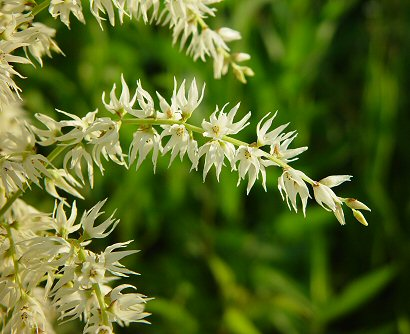
Eastern Featherbells, scientifically known as Stenanthium gramineum, is a perennial plant native to the eastern regions of North America. This plant is part of the Melanthiaceae family, which includes a variety of herbaceous flowering plants. Known for its striking appearance and unique floral structure, Eastern Featherbells is a plant that garners interest from botanists and garden enthusiasts alike.
Description
Eastern Featherbells is characterized by its tall, slender stems that can reach heights of up to 4 feet. The plant's leaves are narrow and grass-like, which is reflected in its species name, gramineum, meaning "grass-like." The most distinctive feature of this plant is its inflorescence—a loose, airy cluster of small, bell-shaped flowers that dangle gracefully from the stem. These flowers are typically white or cream-colored, adding a delicate touch to the plant's overall appearance.
Habitat and Distribution
This species is predominantly found in the eastern United States, ranging from New York to Florida and extending westward to Texas. Eastern Featherbells thrive in moist, well-drained soils and are commonly found in open woodlands, meadows, and along stream banks. The plant prefers partial shade but can also tolerate full sun, making it a versatile addition to various natural landscapes.
Growth and Cultivation
Eastern Featherbells is a perennial plant, meaning it can live for more than two years, regrowing each spring from its underground bulb. The plant typically blooms in late spring to early summer, with its flowering period lasting several weeks. For those interested in cultivating Eastern Featherbells, it is important to mimic its natural habitat by providing moist, well-drained soil and partial shade. The plant can be propagated by seed or by dividing the bulbs, although it may take several years for new plants to reach maturity and bloom.
Ecological Importance
Eastern Featherbells plays a significant role in its ecosystem. The flowers attract a variety of pollinators, including bees and butterflies, which are essential for the plant's reproduction. Additionally, the plant provides habitat and food for various insects and small animals. Its presence in natural landscapes contributes to biodiversity and the overall health of the ecosystem.
Conservation Status
While Eastern Featherbells is not currently listed as endangered, its habitat is threatened by human activities such as urban development, agriculture, and deforestation. Conservation efforts are important to ensure the survival of this species and the preservation of its natural habitat. Gardeners and land managers can contribute to these efforts by incorporating native plants like Eastern Featherbells into their landscapes, promoting biodiversity and ecological balance.
Uses and Cultural Significance
Although Eastern Featherbells is not widely used in traditional medicine or culinary applications, its aesthetic appeal makes it a popular choice for ornamental gardens. The plant's graceful flowers and foliage add a touch of elegance to garden settings, particularly in naturalistic or woodland-themed gardens. Additionally, Eastern Featherbells can be used in restoration projects to rehabilitate disturbed areas and support native wildlife.
Challenges in Cultivation
Cultivating Eastern Featherbells can present some challenges, particularly for gardeners unfamiliar with its specific needs. The plant requires consistent moisture and may struggle in dry or overly compacted soils. Additionally, it is susceptible to damage from pests such as slugs and snails, which can feed on the leaves and flowers. Gardeners should monitor their plants regularly and take appropriate measures to protect them from these threats.