Ulluco
Constituents
Duke’s Database
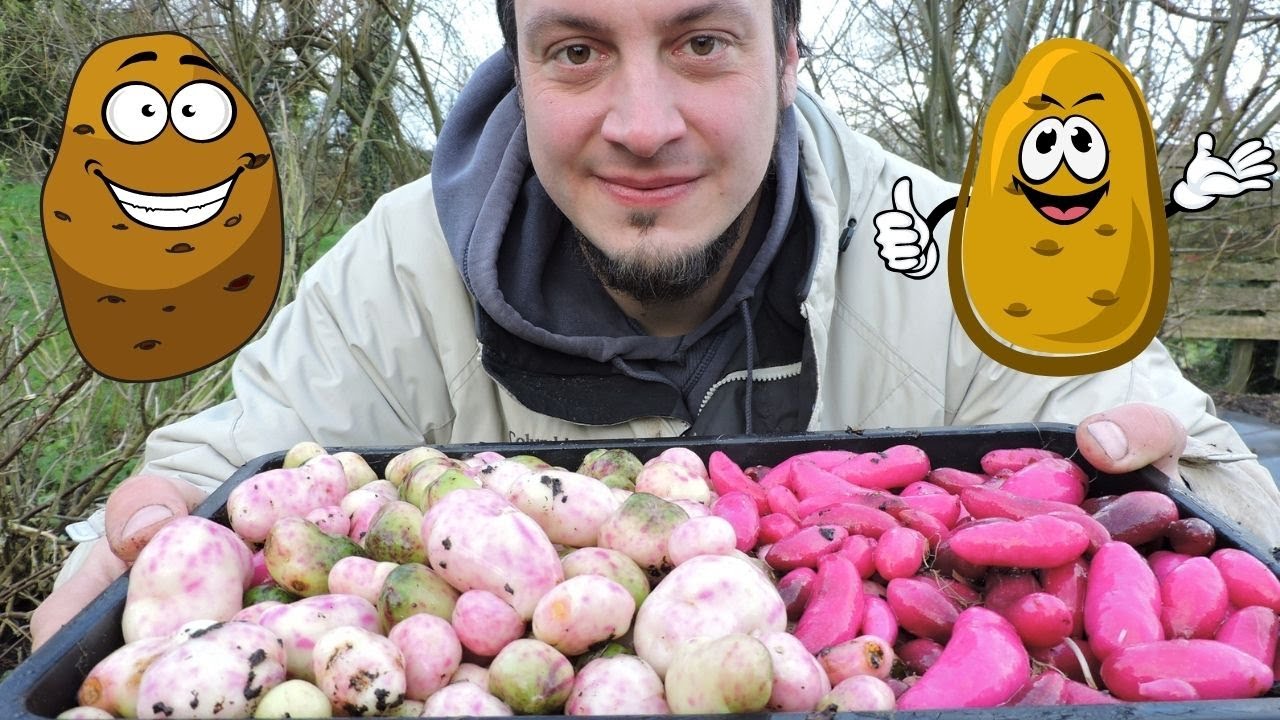
Ullucus tuberosus, commonly known as ulluco or ulluchu, is a tuberous plant native to the Andean region of South America. It belongs to the family Basellaceae and is closely related to other root crops such as potatoes and sweet potatoes. Ulluco has been cultivated for centuries by indigenous communities in the Andes, and its popularity is now spreading to other parts of the world.
- Origin and Distribution
* Ulluco is believed to have originated in the high-altitude regions of the Andes, particularly in Peru and Bolivia.
* It has been an important staple crop for Andean civilizations, including the Inca Empire.
* Ulluco is now grown in other countries with suitable climates, such as Ecuador, Colombia, and parts of the United States.
- Plant Characteristics
* Ulluco is a herbaceous perennial plant that grows up to 1 meter in height.
* It has heart-shaped, succulent leaves and produces small, brightly colored tubers that can range in color from yellow and orange to purple and red.
* The tubers are rich in starch and have a crisp, waxy texture when cooked.
* Ulluco plants are highly adaptable to different growing conditions, including high altitudes, poor soils, and cool temperatures.
- Cultural Significance
* Ulluco has been an important food source for indigenous communities in the Andes for thousands of years.
* It is considered a symbol of cultural identity and is used in traditional ceremonies and celebrations.
* Ulluco has also played a crucial role in ensuring food security in the Andean region due to its ability to thrive in harsh growing conditions.
- Nutritional Value
* Ulluco is a nutritious root crop that provides a good source of carbohydrates, vitamins, and minerals.
* It is particularly rich in potassium, vitamin C, and dietary fiber.
* Ulluco tubers are low in fat and calories, making them a healthy addition to a balanced diet.
- Culinary Uses
* Ulluco tubers can be cooked in various ways, including boiling, steaming, frying, or baking.
* They have a unique flavor that is often described as slightly sweet and nutty.
* Ulluco is commonly used in soups, stews, and stir-fries in traditional Andean cuisine.
* The colorful tubers also add visual appeal to dishes, making them popular in gourmet cooking.
- Challenges and Conservation
* Despite its cultural and nutritional significance, ulluco cultivation has declined in recent years due to several factors.
* Climate change, pests, and diseases have affected ulluco production, leading to a decrease in its availability.
* Efforts are underway to conserve ulluco genetic resources and promote its cultivation through research and breeding programs.