Narrowleaf Marsh Elder
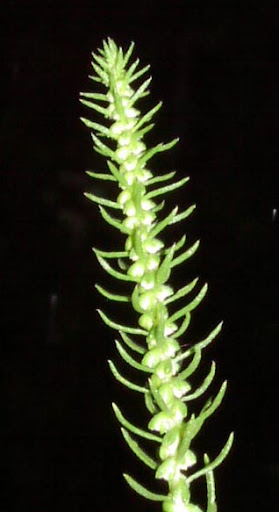
The Narrowleaf Marsh Elder, scientifically known as Iva angustifolia, is a fascinating plant species that belongs to the Asteraceae family. This perennial herb is native to North America and is commonly found in wetland areas, particularly in marshes and along riverbanks. Its unique characteristics and ecological significance make it an interesting subject for botanists and nature enthusiasts alike.
Description
Physical Characteristics
Iva angustifolia is characterized by its narrow, lance-shaped leaves that can grow up to 10 centimeters in length. The leaves are arranged alternately along the stem and have a smooth, glossy texture. The plant typically reaches a height of 1 to 1.5 meters, making it relatively tall compared to other marshland flora.
The flowers of the Narrowleaf Marsh Elder are small and inconspicuous, usually greenish or yellowish in color. They are arranged in dense clusters at the ends of the stems. The flowering period generally occurs from late summer to early fall, during which the plant produces tiny, wind-pollinated flowers.
Root System
One of the most notable features of Iva angustifolia is its extensive root system. The plant has a network of fibrous roots that help it anchor firmly in the soft, waterlogged soil of marshes. This root system not only provides stability but also plays a crucial role in water and nutrient absorption.
Habitat and Distribution
Natural Habitat
The Narrowleaf Marsh Elder thrives in wetland environments, including marshes, swamps, and the edges of rivers and lakes. It prefers areas with full sun to partial shade and can tolerate a range of soil types, although it is most commonly found in nutrient-rich, moist soils.
Geographic Distribution
Iva angustifolia is predominantly found in the southeastern United States, with its range extending from Texas to Florida and up to the Carolinas. It is also present in parts of Mexico and Central America. The plant's ability to adapt to various wetland conditions has allowed it to establish itself in a wide geographic area.
Ecological Importance
Role in Wetland Ecosystems
The Narrowleaf Marsh Elder plays a vital role in wetland ecosystems. Its dense root system helps to stabilize soil and prevent erosion, which is particularly important in areas prone to flooding. Additionally, the plant provides habitat and food for a variety of wildlife, including insects, birds, and small mammals.
Biodiversity Support
By offering shelter and sustenance, Iva angustifolia contributes to the overall biodiversity of wetland areas. The plant's flowers attract pollinators such as bees and butterflies, while its seeds are a food source for birds. Moreover, the dense foliage provides cover for small animals, helping to maintain a balanced ecosystem.
Human Uses
Traditional Uses
Historically, Native American tribes utilized the Narrowleaf Marsh Elder for various medicinal purposes. The plant was used to treat ailments such as fevers, colds, and digestive issues. Its leaves and stems were often boiled to create herbal remedies.
Modern Applications
In contemporary times, Iva angustifolia is sometimes used in wetland restoration projects due to its ability to stabilize soil and support biodiversity. Its resilience and adaptability make it an excellent candidate for rehabilitating degraded wetland areas.
Conservation Status
Threats
Despite its ecological importance, the Narrowleaf Marsh Elder faces several threats. Habitat destruction due to urbanization, agriculture, and climate change poses significant risks to its populations. Wetland drainage and pollution further exacerbate these challenges, leading to a decline in suitable habitats.
Conservation Efforts
Efforts to conserve Iva angustifolia include protecting wetland areas through legislation and promoting sustainable land-use practices. Conservation organizations are also involved in habitat restoration projects that aim to reestablish native plant communities, including the Narrowleaf Marsh Elder.