Anthracyclines
Anthracycline-Based Regimens: Perioperative Setting for TNBC:

Anthracycline-based chemotherapy may elevate myocardial extracellular volumes

Anthracycline Cardiotoxicity: The Role of Cardio-Oncology in Management
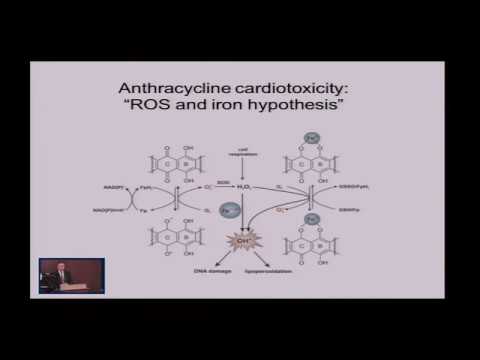
Anthracyclines are a class of cytotoxic anticancer drugs derived from natural products produced by the Streptomyces bacteria. They are among the most powerful and effective anticancer agents available, used to treat a wide variety of cancers in both adults and children.
Key features of Anthracyclines:
- Mechanism of action: They primarily work by intercalating into DNA, disrupting its structure and function. This inhibits DNA replication and ultimately leads to cell death in rapidly dividing cancer cells.
- Examples: Some common anthracyclines include doxorubicin (Adriamycin), daunorubicin (Cerubidine), epirubicin (Ellence), and idarubicin (Idamycin).
- Applications: Anthracyclines are used to treat various cancers, including:
- Leukemias (acute myeloid leukemia, acute lymphoblastic leukemia)
- Lymphomas (Hodgkin lymphoma, non-Hodgkin lymphoma)
- Breast cancer
- Sarcomas
- Lung cancer
- Bladder cancer
- Other solid tumors
Important considerations:
- Effectiveness: Anthracyclines are highly effective anticancer drugs, but they are also associated with significant side effects.
- Side effects: The most common side effects include nausea, vomiting, hair loss, fatigue, and cardiac toxicity (damage to the heart). Careful monitoring and management of these side effects are crucial.
- Cardiotoxicity: This is a major concern with anthracycline use, as it can lead to long-term heart problems. The cumulative dose and individual patient risk factors are carefully considered by oncologists.
- Other limitations: Anthracyclines can also cause bone marrow suppression, increasing the risk of infections.
Current status and future directions:
- Despite their limitations, anthracyclines remain an important part of many cancer treatment regimens.
- Research is ongoing to develop new anthracycline derivatives with reduced side effects and improved efficacy.
- Additionally, efforts are being made to personalize treatment using genetic information to identify patients who are most likely to benefit from anthracyclines while minimizing the risk of side effects.
The Bcl-2 protein Bnip3 is crucial for provoking oxidative injury to mitochondria following anthracycline treatment or ischemia-reperfusion injury. Herein, we investigate the effects of the polyphenolic compound ellagic acid (EA) on Bnip3 mediated mitochondrial injury and necrotic cell death in cardiac myocytes