Polyneuropathy
Damage or disease affecting peripheral nerves (peripheral neuropathy) in roughly the same areas on both sides of the body, featuring weakness, numbness, and burning pain. It usually begins in the hands and feet and may progress to the arms and legs and sometimes to other parts of the body where it may affect the autonomic nervous system. It may be acute or chronic. A number of different disorders may cause polyneuropathy, including diabetes and some types of Guillain–Barré syndrome.

SMALL FIBER POLYNEUROPATHY AND CENTRAL SENSITIZATION HOW DO THESE CONCEPTS APPLY TO UCPP


Polyneuropathy, Multifocal Motor & Diabetic Neuropathy

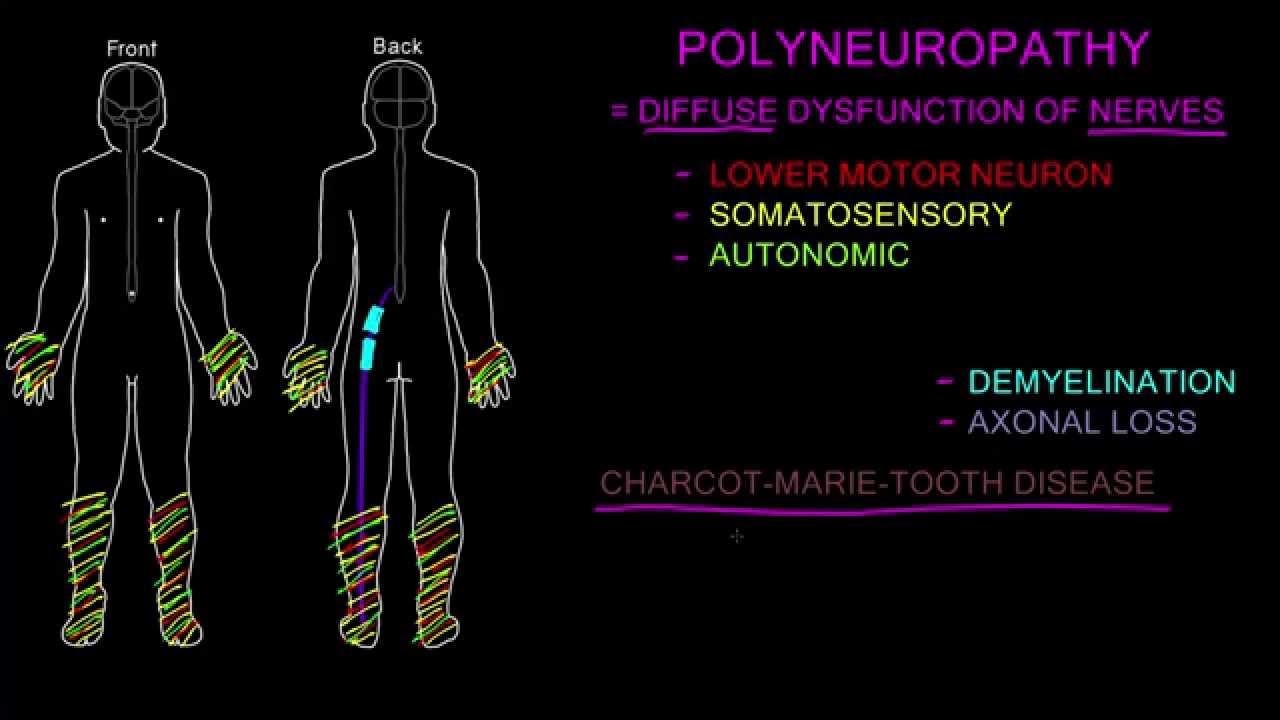

Polyneuropathy is a medical condition characterized by the simultaneous malfunction of multiple peripheral nerves throughout the body. This condition can affect the sensory, motor, and autonomic nerves, leading to a wide range of symptoms and complications.
Causes of Polyneuropathy
Polyneuropathy can be caused by a variety of factors, including:
- Diabetes Mellitus: One of the most common causes, diabetic neuropathy, results from prolonged high blood sugar levels damaging nerve fibers.
- Alcohol Abuse: Chronic alcohol consumption can lead to nutritional deficiencies, particularly of B vitamins, which are essential for nerve health.
- Autoimmune Disorders: Conditions like Guillain-Barré syndrome and chronic inflammatory demyelinating polyneuropathy (CIDP) involve the immune system attacking the peripheral nerves.
- Infections: Certain viral and bacterial infections, such as Lyme disease, HIV, and hepatitis C, can lead to nerve damage.
- Toxins and Medications: Exposure to heavy metals, chemotherapy drugs, and certain antibiotics can be toxic to nerves.
- Genetic Disorders: Hereditary conditions like Charcot-Marie-Tooth disease can cause polyneuropathy.
Symptoms of Polyneuropathy
The symptoms of polyneuropathy can vary widely depending on the nerves affected. Common symptoms include:
- Sensory Symptoms: Numbness, tingling, burning sensations, or pain, often starting in the hands and feet and progressing proximally.
- Motor Symptoms: Muscle weakness, cramps, and loss of muscle control, which can lead to difficulty with coordination and balance.
- Autonomic Symptoms: Issues with blood pressure regulation, heart rate, digestion, and bladder control.
Diagnosis of Polyneuropathy
Diagnosing polyneuropathy involves a comprehensive approach:
- Medical History and Physical Examination: A detailed history of symptoms, lifestyle, and family history is crucial. A physical exam can reveal muscle weakness, sensory loss, and reflex changes.
- Electromyography (EMG) and Nerve Conduction Studies (NCS): These tests measure the electrical activity in muscles and the speed of nerve signals, helping to identify nerve damage.
- Blood Tests: To check for underlying conditions such as diabetes, vitamin deficiencies, or infections.
- Imaging Studies: MRI or CT scans may be used to rule out other causes of symptoms.
- Nerve Biopsy: In rare cases, a small sample of nerve tissue may be taken for examination.
Treatment of Polyneuropathy
Treatment of polyneuropathy focuses on managing symptoms and addressing the underlying cause:
- Medications: Pain relievers, anti-seizure drugs, and antidepressants can help manage pain and discomfort.
- Lifestyle Modifications: Maintaining a healthy diet, regular exercise, and avoiding alcohol can improve symptoms and overall health.
- Physical Therapy: Helps improve muscle strength, coordination, and balance.
- Occupational Therapy: Assists in adapting daily activities to accommodate physical limitations.
- Addressing Underlying Conditions: Managing diabetes, nutritional deficiencies, or autoimmune disorders can prevent further nerve damage.
Complications and Prognosis
Polyneuropathy can lead to several complications if not managed effectively:
- Injury: Loss of sensation increases the risk of injuries, particularly in the feet.
- Infections: Poor wound healing and unnoticed injuries can lead to infections.
- Mobility Issues: Muscle weakness and balance problems can lead to falls and reduced mobility.
The prognosis for polyneuropathy varies depending on the cause and severity. Early diagnosis and treatment can improve outcomes and prevent further nerve damage. In some cases, symptoms may stabilize or improve with appropriate management.