Switch cane
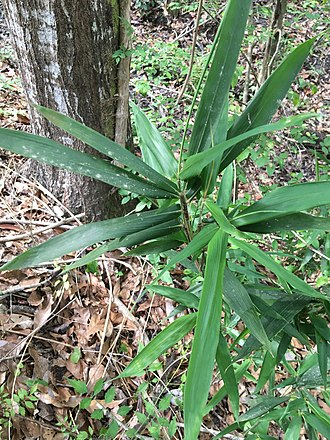
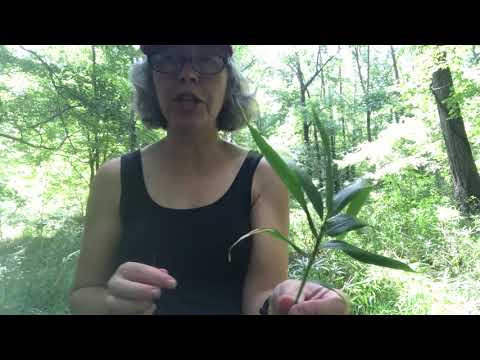
Arundinaria tecta, commonly known as switch cane or switchgrass, is a species of bamboo native to the southeastern United States. This perennial grass is a member of the Poaceae family and is notable for its ecological importance, historical significance, and potential uses in various industries.
Botanical Characteristics
Arundinaria tecta is a rhizomatous bamboo, meaning it spreads through underground stems called rhizomes. This growth habit allows it to form dense thickets, which can be beneficial for soil stabilization and habitat creation. The plant typically reaches heights of 1 to 3 meters (3 to 10 feet), with slender, hollow stems that are green when young and turn yellowish-brown as they mature. The leaves are lance-shaped, measuring 10 to 30 centimeters (4 to 12 inches) in length, and are arranged alternately along the stem.
Key Features
- Height: 1 to 3 meters (3 to 10 feet)
- Stem: Slender, hollow, green to yellowish-brown
- Leaves: Lance-shaped, 10 to 30 centimeters (4 to 12 inches) long
- Growth Habit: Rhizomatous, forming dense thickets
Ecological Importance
Arundinaria tecta plays a crucial role in its native ecosystems. It provides habitat and food for a variety of wildlife, including birds, insects, and small mammals. The dense thickets offer shelter and nesting sites, while the leaves and stems serve as a food source. Additionally, the plant's extensive root system helps prevent soil erosion, particularly in riparian zones and wetlands.
Benefits to Wildlife
- Habitat: Provides shelter and nesting sites
- Food Source: Leaves and stems consumed by various animals
- Soil Stabilization: Prevents erosion in riparian zones and wetlands
Historical and Cultural Significance
Historically, Arundinaria tecta was an important resource for Native American tribes in the southeastern United States. The plant was used for a variety of purposes, including the construction of shelters, baskets, and tools. Its flexible stems were ideal for weaving, and its durability made it a valuable material for everyday items.
Traditional Uses
- Shelters: Used in the construction of dwellings
- Baskets: Woven from flexible stems
- Tools: Crafted from durable material
CHOCTAW-pain in the breast-The cane root is boiled and the medicine is drunk to relieve a pain in the breast
Modern Applications
In contemporary times, Arundinaria tecta continues to be valued for its potential applications in various industries. Its fast growth rate and ability to thrive in a range of conditions make it a promising candidate for sustainable agriculture and bioenergy production. Additionally, its aesthetic appeal and ecological benefits have led to its use in landscaping and habitat restoration projects.
Potential Uses
- Sustainable Agriculture: Fast growth rate and adaptability
- Bioenergy: Potential for biomass production
- Landscaping: Aesthetic appeal and ecological benefits
- Habitat Restoration: Used in conservation projects
Conservation and Management
Despite its many benefits, Arundinaria tecta faces several challenges that threaten its survival. Habitat loss due to urbanization, agriculture, and invasive species has led to a decline in its natural populations. Conservation efforts are focused on protecting existing habitats, restoring degraded areas, and promoting the use of native plants in landscaping and restoration projects.
Threats
- Habitat Loss: Urbanization and agriculture
- Invasive Species: Competition with non-native plants
Conservation Strategies
- Habitat Protection: Preserving existing populations
- Restoration Projects: Rehabilitating degraded areas
- Native Plant Promotion: Encouraging the use of native species