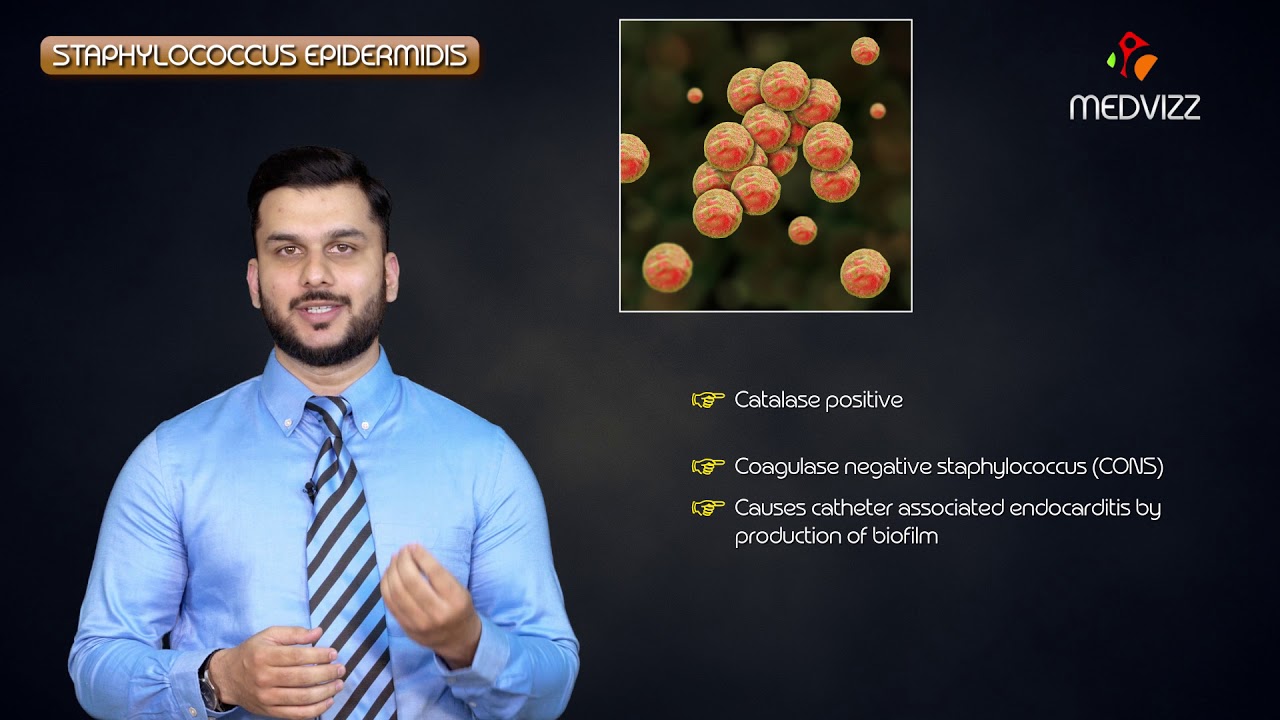
Staphylococcus epidermidis

Microbiology - Staphylococcus Aureus and Skin Abscess
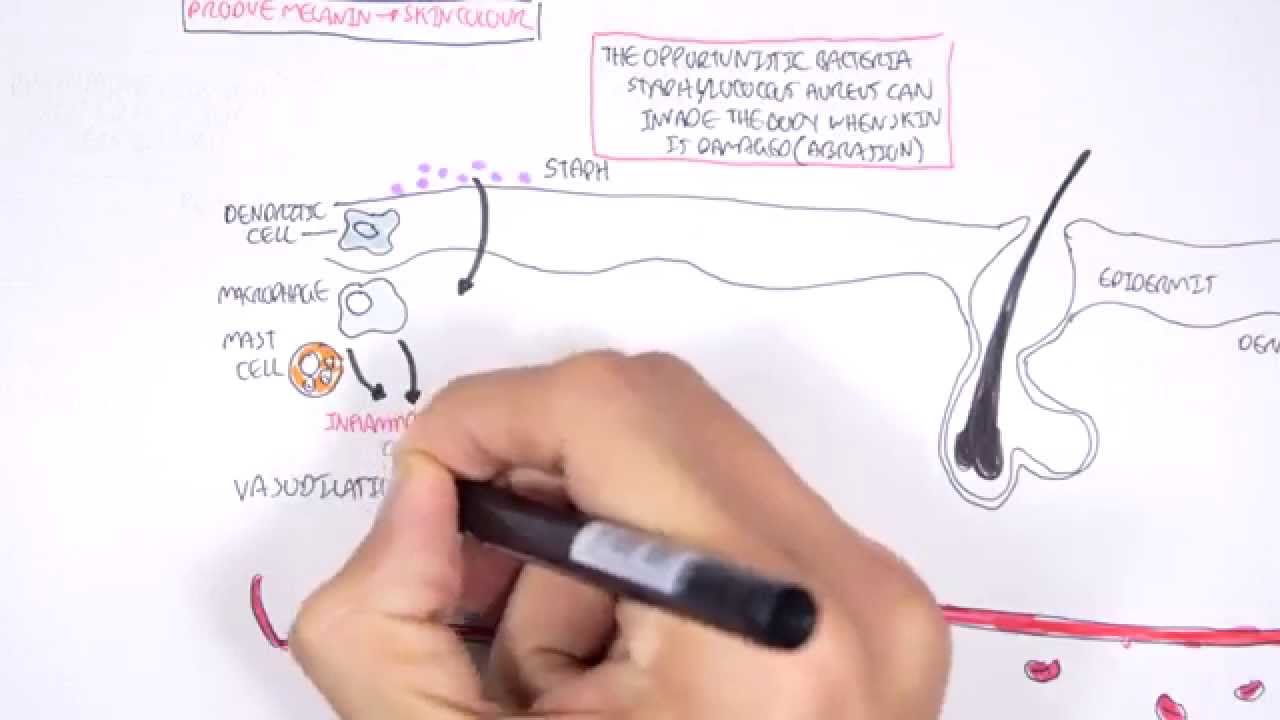
The skin commensal Staphylococcus epidermidis has been reported to modulate the innate immune response by inhibiting skin inflammation through pattern-recognition receptor-mediated cross talk (Lai et al. 2009)
A novel staphylococcal internalization mechanism involves the major autolysin Atl and heat shock cognate protein Hsc70 as host cell receptor - Staphylococcus aureus and Staphylococcus epidermidis can cause serious chronic and recurrent infections that are difficult to eradicate. An important pathogenicity factor in these infections caused by S. aureus is its ability to be internalized by non-professional phagocytes thereby evading the host immune system and antibiotic treatment. Here, we report a novel mechanism involved in staphylococcal internalization by host cells, which is mediated by the major autolysin/adhesins Atl and AtlE from S. aureus and S. epidermidis respectively.