Dog First Aid, Choking
Help choking dog
Short Guide

Recognizing the Signs of Choking
Understanding the symptoms of choking is crucial for timely intervention. Here are some common signs that your dog may be choking:
- Coughing or Gagging: Your dog may cough or gag repeatedly in an attempt to dislodge the object.
- Pawing at the Mouth: Dogs often paw at their mouths when something is stuck.
- Difficulty Breathing: Labored or noisy breathing can indicate an obstruction.
- Blue or Pale Gums: A lack of oxygen can cause the gums to turn blue or pale.
- Panic or Distress: Your dog may appear anxious or panicked.
- Unconsciousness: In severe cases, your dog may lose consciousness due to lack of oxygen.
Immediate Steps to Take
If you suspect your dog is choking, it is essential to act quickly but calmly. Here are the steps you should follow:
- Assess the Situation: Ensure that your dog is indeed choking and not experiencing another medical issue.
- Open the Mouth: Gently open your dog's mouth to see if you can identify the object causing the obstruction.
- Remove the Object: If you can see the object and it is easily reachable, try to remove it with your fingers. Be cautious not to push it further down the throat.
- Perform the Heimlich Maneuver: If the object is not easily reachable, you may need to perform the Heimlich maneuver.
Performing the Heimlich Maneuver
The Heimlich maneuver for dogs varies slightly depending on the size of the dog:
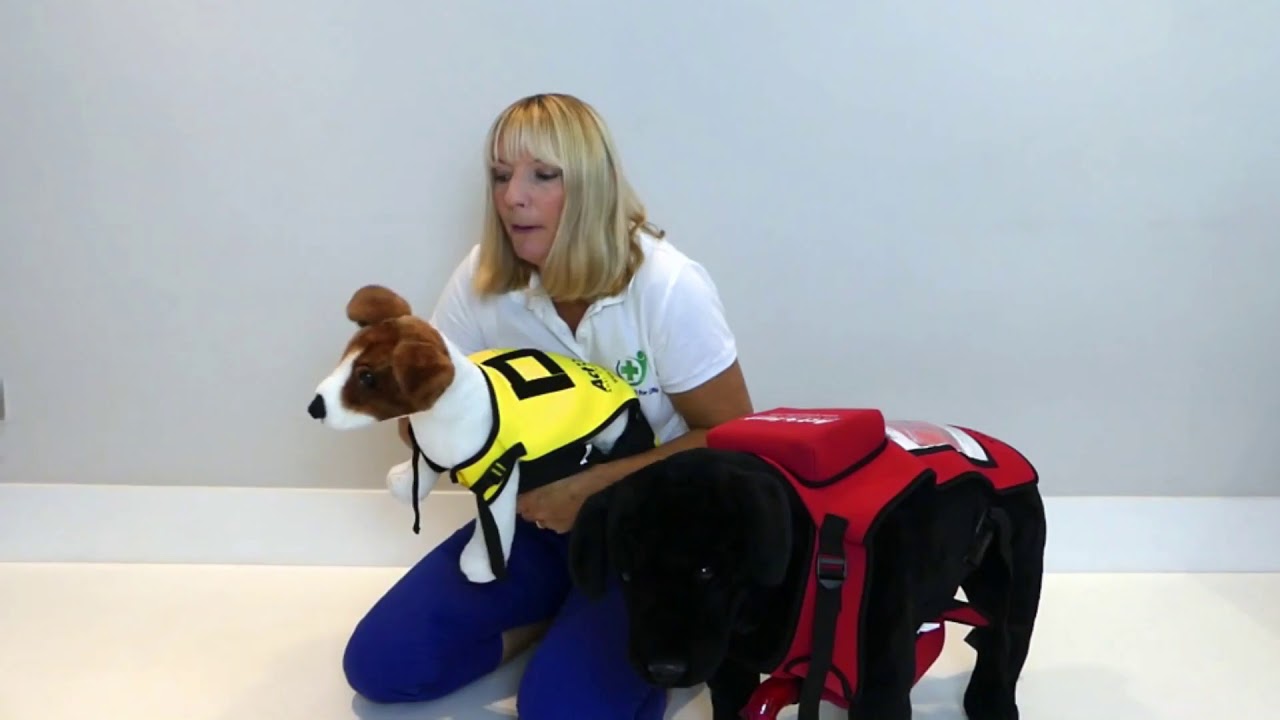
For Small Dogs
- Hold your dog with its back against your chest.
- Place your hands just below the rib cage.
- Apply firm, quick pressure inward and upward.
For Large Dogs
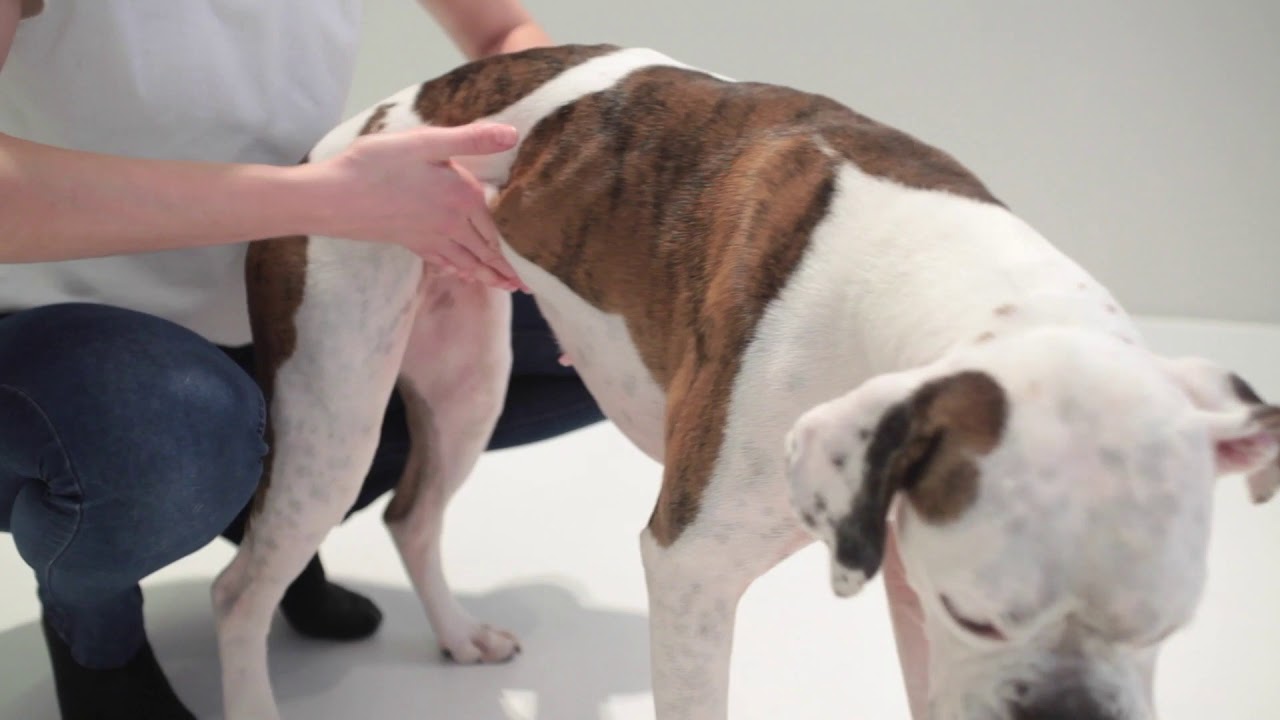
- Stand behind your dog and wrap your arms around its waist.
- Make a fist with one hand and place it just below the rib cage.
- Grasp your fist with your other hand and apply firm, quick pressure inward and upward.
Repeat the Heimlich maneuver until the object is dislodged or your dog starts breathing normally. If your dog becomes unconscious, you may need to perform CPR.
Aftercare and Veterinary Attention
Even if you successfully remove the object and your dog appears to be breathing normally, it is crucial to seek veterinary attention immediately. Choking can cause internal injuries or complications that require professional care.
Preventive Measures
Preventing choking incidents is always better than having to respond to them. Here are some tips to help keep your dog safe:
- Supervise During Meals: Monitor your dog while eating to ensure they are not swallowing large pieces of food.
- Choose Appropriate Toys: Select toys that are the right size for your dog and cannot be easily swallowed.
- Avoid Small Objects: Keep small household items, such as buttons, coins, and small toys, out of your dog's reach.
- Train Your Dog: Teach your dog the "leave it" and "drop it" commands to prevent them from picking up dangerous objects.
- Regular Check-Ups: Regular veterinary check-ups can help identify any potential health issues that may increase the risk of choking.