Forestry
Forestry for the Future: Lessons in Sustainable Management from Maine
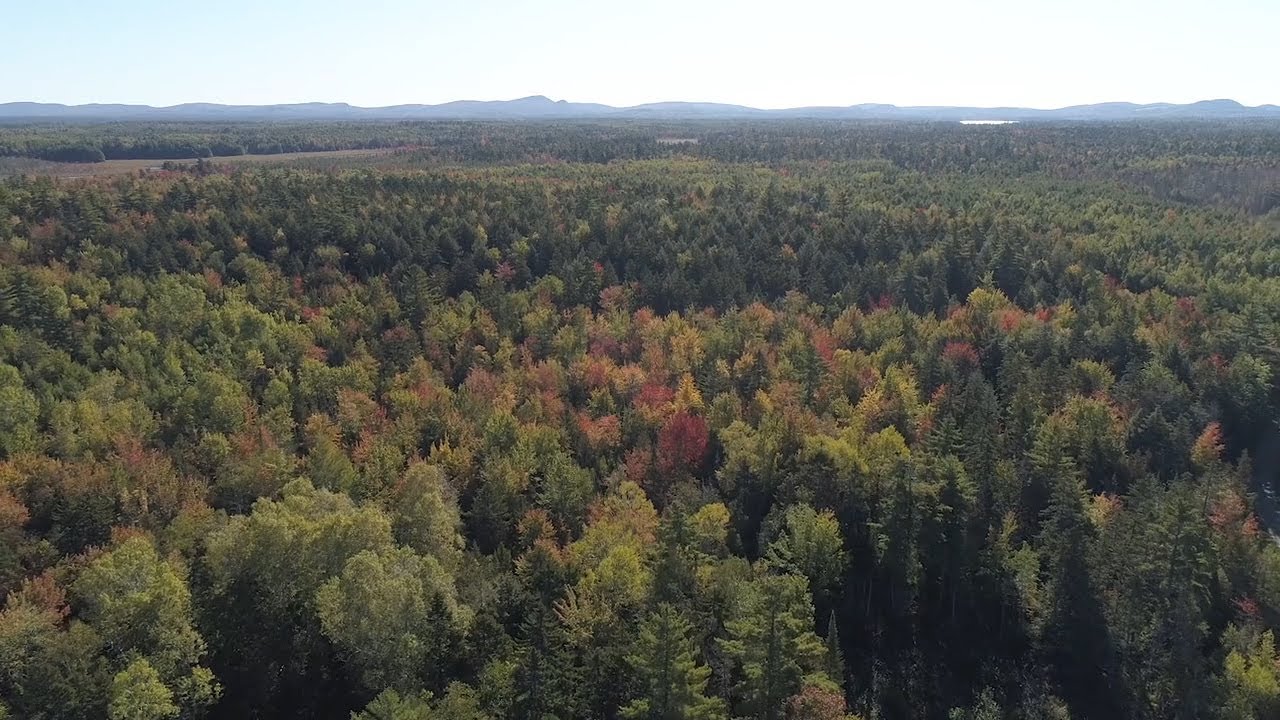
Man Spends 30 Years Turning Degraded Land into Massive Forest – Fools & Dreamers

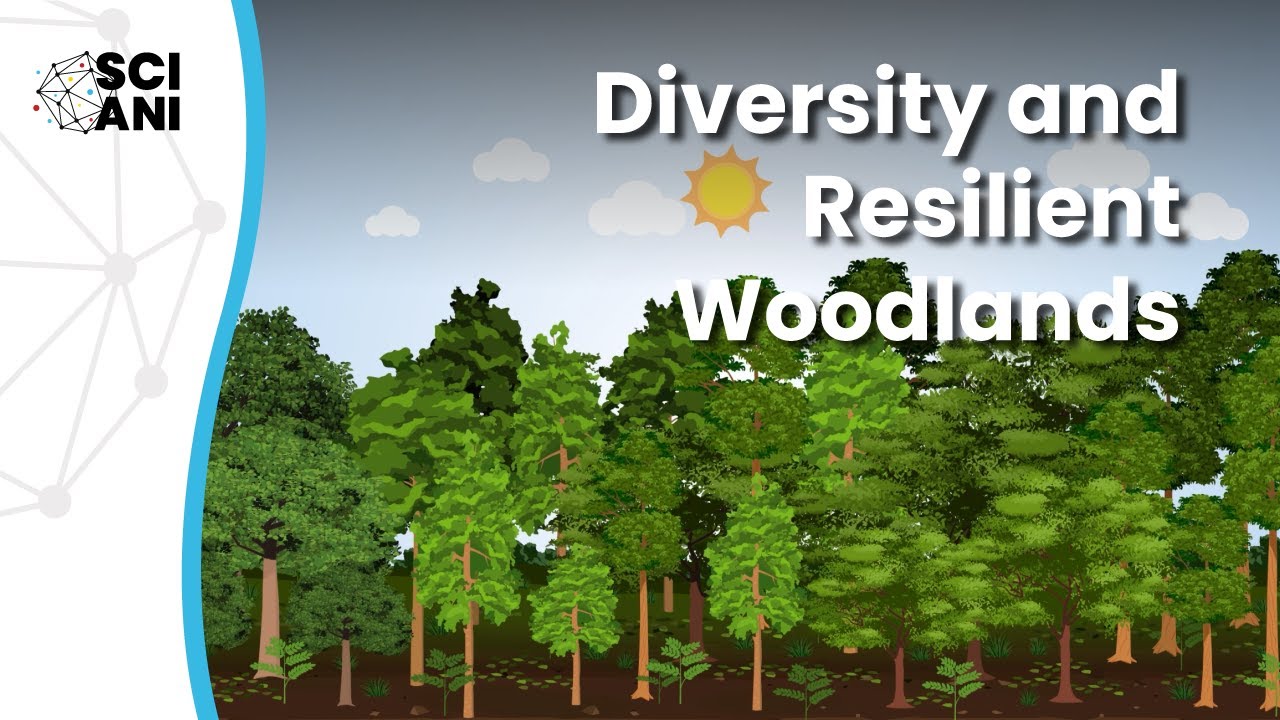
How to build tree diversity into resilient forests?
Forestry is a multifaceted discipline that involves the management, conservation, and sustainable development of forests and forest resources. It plays a crucial role in maintaining ecological balance, supporting biodiversity, and providing resources for human use. This note explores the various aspects of forestry, its significance, and the challenges it faces in the modern world.
The Importance of Forestry
Forests cover approximately 31% of the Earth's land area and are vital to the planet's health. They serve as the lungs of the Earth, absorbing carbon dioxide and releasing oxygen, thus playing a critical role in mitigating climate change. Additionally, forests are home to a vast array of biodiversity, providing habitat for countless species of plants, animals, and microorganisms.
Forestry is essential for:
- Environmental Protection: Forests help in soil conservation, water cycle regulation, and climate stabilization. They act as natural barriers against natural disasters such as floods and landslides.
- Economic Resources: Forests provide timber, non-timber products, and raw materials for various industries. They also support livelihoods through activities like logging, ecotourism, and forest-based agriculture.
- Cultural and Recreational Value: Many communities have cultural ties to forests, and they offer recreational opportunities such as hiking, camping, and wildlife observation.
Sustainable Forestry Practices
Sustainable forestry aims to balance the need for forest resources with the preservation of forest ecosystems. Key practices include:
- Selective Logging: Harvesting trees in a way that minimizes environmental impact and allows for natural regeneration.
- Reforestation and Afforestation: Planting trees in deforested areas and establishing forests in non-forested regions to restore and expand forest cover.
- Agroforestry: Integrating trees and shrubs into agricultural landscapes to enhance biodiversity and improve land productivity.
- Forest Certification: Ensuring that forest products are sourced from sustainably managed forests through certification programs like the Forest Stewardship Council (FSC).
Challenges in Forestry
Despite its importance, forestry faces numerous challenges:
- Deforestation: The conversion of forested areas to non-forest uses, such as agriculture and urban development, leads to habitat loss and increased carbon emissions.
- Climate Change: Altered weather patterns and increased frequency of extreme events threaten forest health and resilience.
- Illegal Logging: Unregulated logging activities deplete forest resources and undermine sustainable management efforts.
- Biodiversity Loss: Habitat destruction and fragmentation result in the decline of species diversity and ecosystem services.
The Role of Technology in Forestry
Advancements in technology have significantly impacted forestry practices. Remote sensing and Geographic Information Systems (GIS) enable better monitoring and management of forest resources. Drones and satellite imagery provide real-time data on forest health, aiding in early detection of issues like pest infestations and illegal logging.
Moreover, digital platforms facilitate the sharing of knowledge and best practices among forestry professionals, enhancing collaboration and innovation in the field.
Policy and Community Involvement
Effective forestry management requires robust policies and active community participation. Governments play a crucial role in enacting and enforcing laws that protect forests and promote sustainable practices. International agreements, such as the Paris Agreement, emphasize the importance of forests in combating climate change.
Community involvement is equally important, as local populations often have a deep understanding of their forest environments. Empowering communities through education and participatory management can lead to more effective conservation efforts and sustainable use of forest resources.